Physical Method Wood Powdered Activated Carbon Heycarbons Manufacturer From China
- Over 20 years of industry experience in powdered activated carbon manufacturing.
- 16pcs Production Patents.
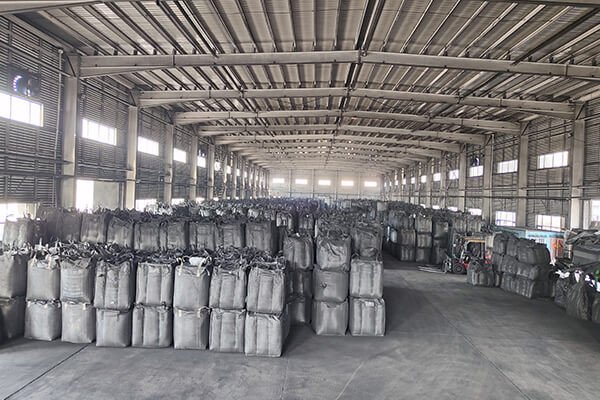
- Annual Output 18000 tons.
What is Physical Wood Powdered Activated Carbon?
When wood-based powdered activated carbon is mentioned, the phosphoric acid-activated variety is often the first to come to mind. However, it is important to note that not all wood-based powdered activated carbons are produced by phosphoric acid activation. Wood-based activated carbon can be produced through either chemical or physical activation; these two methods yield products that differ in pore size distribution, surface chemistry, adsorption characteristics, and application suitability.
Physical wood-based powdered activated carbon is a powdered adsorbent derived from selected wood raw materials, produced through carbonization followed by high-temperature physical activation (typically using steam or carbon dioxide). Unlike chemically activated wood-based carbon—which conventionally employs phosphoric acid—the physical activation process creates a pore structure through the controlled gasification of the carbonized material, without relying on phosphoric acid as the primary activating agent.
Heycarbons Wood Powdered Activated Carbon through Steam Activation
HEYSORBCARB®-HEYPWPAC Specifications

| Specifications | HEYSORBCARB®–HEYPWPAC | Specifications | HEYSORBCARB®–HEYPWPAC |
|---|---|---|---|
| Size | 200, 325 mesh | Iodine value | 800-1200 mg/g min. |
| Methylene blue | 135-240 mg/g min. | Ash | ≤6, 8, 10% max. |
| Moisture | ≤10% | Iron Content | ≤0.02-0.3% |
| Chloride | ≤0.03-0.2% | pH | 8-11 |
| Packaging Bag | 20kg/bag, 400kg/bag (can be customized) | Note | Specifications vary by product grade and application. Customized specifications are available upon request. |
Inquiries are welcome!
We guarantee that Heycarbons supplies products in strict accordance with the specifications and quality standards confirmed by both parties. Should any parameters fail to meet the requirements, we will inform you honestly and consult with you prior to shipment. Furthermore, we welcome third-party inspections in any form to ensure that the product quality meets the agreed-upon standards.
How is Steam Physically Wood Powdered Activated Carbon Produced?


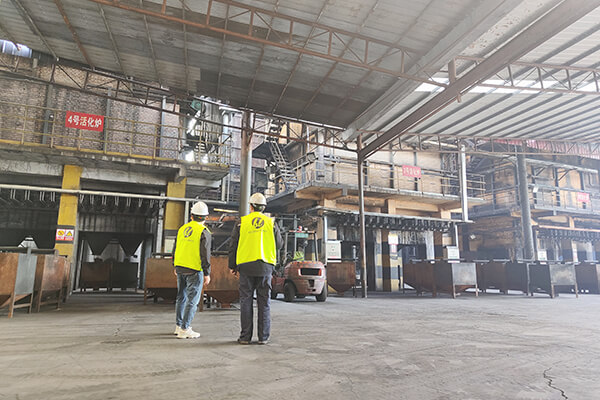
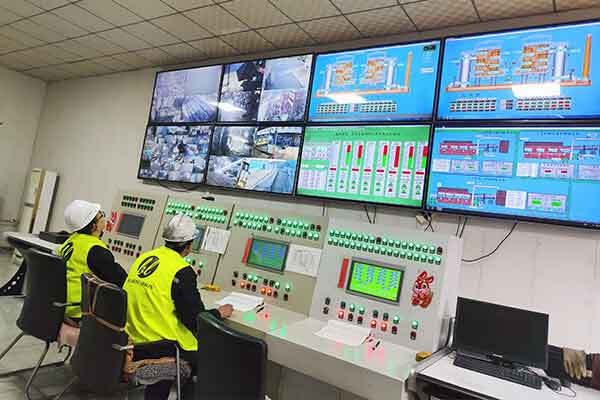
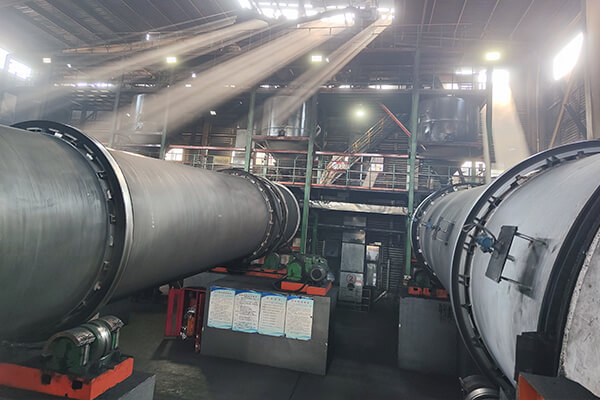
Heycarbons powdered activated carbon is produced from selected high-quality wood. The raw material is first carbonized in carbonization furnace to remove volatile components and establish an initial carbon framework, yielding charcoal. Subsequently, the carbon framework undergoes partial gasification by high-temperature steam treatment, a process that creates and expands internal pores to enhance adsorption capacity. After drying, the mall-particle activated carbon is ground into powder using a Raymond mill to meet specific customer particle-size requirements and is finally packaged.
By controlling activation parameters—such as activation time, temperature, and steam supply—the pore size distribution of wood-based powdered activated carbon produced by physical activation can be flexibly adjusted to create a structure combining micropores and mesopores. This makes it suitable for adsorbing a wide range of organic pollutants during the purification of water, chemicals, food products, and other substances.
Physical Method Wood Powder Activated Carbon Pore Structure
Wood-based activated carbons produced by physical activation typically feature a predominantly microporous structure, while also containing a certain proportion of mesopores. Compared to dense precursors like coconut shells, wood-based raw materials possess a relatively loose inherent structure, making them more prone to developing mesopores during steam activation.
As the degree of activation increases, some micropores undergo pore widening and gradually transform into mesopores. It generally offers advantages for the adsorption of pigments, dyes, and larger organic molecules.
It should be noted that pore structure of physical wood PAC cannot be simply categorized as a combination of micropores and mesopores, nor can all coconut shell activated carbons be characterized as having a highly developed microporous structure. The final pore structure is significantly influenced by the raw material, activation method, activation temperature, activation duration, and burn-off rate.
Physical Method Wood Powdered Activated Carbon Applications
Physically activated powdered wood-based activated carbon is widely used in decolorization and purification because its pore structure provides both micropore adsorption capacity and mesopore channels that facilitate mass transfer. This characteristic enables it to effectively remove a variety of organic pollutants, pigments, and impurities. Suitble for various applications such as wastewater treatment, food and beverage decolorization purification, chemical liquids, organic solvents and pharmaceutical processing.

For Wastewater Treatment
Physically activated wood-based powdered activated carbon can be used in industrial wastewater treatment to reduce color, dissolved organic pollutants, and a portion of the chemical oxygen demand (COD). In textile printing and dyeing wastewater, it adsorbs synthetic dyes, organic pigments, and other colored compounds that are difficult to remove completely through biological treatment alone.
Its mesoporous channels are particularly effective for larger organic molecules, while its micropores facilitate the adsorption of smaller dissolved organic substances. Consequently, wood-based powdered activated carbon is frequently employed as a polishing step following biological, chemical, or membrane treatment processes.
Typical applications include textile wastewater, printing and dyeing wastewater, chemical industry wastewater, printing wastewater, and other types of colored industrial wastewater.

For Decolorization and Purification in Food and Beverages
Wood-based powdered activated carbon is widely used for decolorization and purification in food and beverage processing. Its highly developed pore structure enables the adsorption of unwanted pigments, odor-causing substances, organic impurities, and certain trace contaminants from liquid products.
Typical applications include edible oils, beverage intermediates, fermentation products, and other liquids used in food processing.
For food-grade applications, physically activated wood-based powdered carbon undergoes steam activation; it is free from acid or salt residues and contains minimal soluble impurities, thereby maintaining liquid stability and ensuring compliance with food-grade standards.

For Chemical Liquids Purification
In chemical processing, wood-based powdered activated carbon is used for the decolorization, impurity removal, and product refinement of chemical liquids. It adsorbs colored organic by-products, trace organic impurities, degradation products, and other compounds that could affect the appearance or purity of the final chemical product.
Typical applications include organic intermediates, fine chemicals, specialty chemicals, and process liquids requiring further purification prior to downstream processing.
Given the wide variations in pH, solvent composition, temperature, and molecular size across chemical processes, the selection of activated carbon must take into account not only adsorption capacity but also chemical compatibility and filtration performance.

For Organic Solvents Decolorization, Refining, and Purification
Physically activated wood-based powdered activated carbon (WPAC) can also be used for the decolorization and purification of certain organic solvents and solvent-based processes.
During chemical synthesis, extraction, or recovery operations, solvents may contain colored impurities, oxidation products, trace organic by-products, or residual contaminants.
The actual adsorption performance of physically activated WPAC depends largely on the solvent type, polarity, contaminant concentration, temperature, and competitive adsorption from other dissolved compounds. Therefore, laboratory testing is generally recommended before determining the final activated carbon dosage.
For Pharmaceutical Processing: Purification of API, Excipients, and Fermentation Broths

Wood-based powdered activated carbon is suitable for use in pharmaceutical and biochemical processes, specifically for the purification of active pharmaceutical ingredients, intermediates, excipients, and fermentation products. Its functions include decolorization, the removal of trace organic impurities, the adsorption of process by-products, and the refining of fermentation broths or extracts prior to further purification.
In these applications, target impurities range from small molecules to relatively large colored organic compounds. Wood-based powdered activated carbon produced via physical activation features a broad pore size distribution, making it well-suited for pharmaceutical purification.
For pharmaceutical applications, in addition to adsorption performance, factors such as product purity, extractables, ash content, heavy metals, pH, and process-specific quality requirements must be carefully evaluated.
Physical Wood Powdered Activated Carbon: Comparison & Selection
Physical Activation Wood PAC vs Phosphoric Acid Activated Wood PAC
In the physical activation process for wood-based activated carbon, the wood is typically carbonized first, followed by activation of the charcoal using water vapor at high temperatures. Wood-based powdered activated carbon primarily develops a microporous structure, though it also contains a certain proportion of mesopores. The final pore size distribution depends largely on the raw material, activation temperature, activation time, and burn-off rate.
Physically method wood powdered activated carbon (pH 8-11) is highly suitable for adsorbing organic solvents, pigment molecules, odors, and organic impurities. Suitble for various applications such as wastewater treatment, food and beverage decolorization purification, chemical liquids, organic solvents and pharmaceutical processing.
In contrast, the chemical activation method for producing wood-based activated carbon typically employs phosphoric acid as the activating agent. Prior to carbonization and activation, the sawdust is impregnated with phosphoric acid (H3PO4), followed by washing to remove residual acid and soluble compounds. Carbonization and activation in one. This activation process often promotes the formation of mesopores.
Phosphoric acid wood powdered activated carbon features a well-developed mesoporous structure, pH 2-4, 3-5, 5-7, enabling more effective adsorption of larger organic molecules, pigments, dyes, and other high-molecular-weight impurities.
For the decolorization and purification of sugar solutions, wood-based powdered activated carbon produced by the phosphoric acid process—characterized by a well-developed mesoporous structure—is typically preferred. Unlike physical method wood activated carbon, phosphoric acid method activated carbon has a high caramel value. Due to its superior adsorption capacity for pigments, macromolecular caramel compounds, and certain organic impurities, it is widely used in the decolorization and refining of products such as sucrose, glucose, fructose, and starch syrup.
Physical Wood-Based PAC vs Coconut Shell Activated Carbon
Physically activated wood-based powdered activated carbon and coconut shell activated carbon differ significantly in terms of raw material structure, pore size distribution, bulk density, and adsorption characteristics.
Wood is a naturally porous raw material with a relatively loose structure. It’s usually produced in powder form. Wood-based powdered activated carbon produced via physical activation typically features a pore structure containing both micropores and mesopores. Compared to coconut shell-based activated carbon, it generally has a higher proportion of mesopores, making it better suited for the adsorption of certain larger organic molecules and pigments.
This pore structure imparts excellent decolorization performance to wood-based activated carbon, particularly in liquid-phase applications involving color-causing substances, dyes, and other macromolecular organic impurities. It also possesses a relatively low bulk density.

In contrast, coconut shell is a raw material with a denser and harder texture. Upon activation, coconut shell activated carbon typically develops a highly developed microporous structure, along with high bulk density and hardness. It’s usually produced in granular form. Its abundant micropores provide a strong capacity for adsorbing small-molecule organic compounds, making it particularly suitable for applications where the adsorption of small molecules is the primary requirement.
Therefore, wood-based powdered activated carbon is typically the preferred choice when decolorization or the adsorption of molecules of varying sizes is required, whereas coconut shell activated carbon is generally favored when high micropore volume and strong adsorption capacity for small molecules are needed. However, the ultimate performance of both types of activated carbon still depends on activation conditions, pore size distribution, surface chemical properties, and the characteristics of the target pollutants.
Custom Heycarbons Wood Powdered Activated Carbon
Heycarbons provides a full range of activated solutions at competitive prices.
Why Choose Heycarbons Wood Powder Activated Carbon Supplier?
Heycarbons has proudly served the activated charcoal industry with high-quality products since 2005. Heycarbons can customize wood activated carbon produced by the phosphoric acid method or the physical activation method for your projects.
- Personalized service and advice based on your needs and preferences. Different raw materials for different applications.
- Customized size, CTC, iodine value, ash, methylene blue, molasses, etc.
- Heycarbons customized package to promote your brand, and free design service.
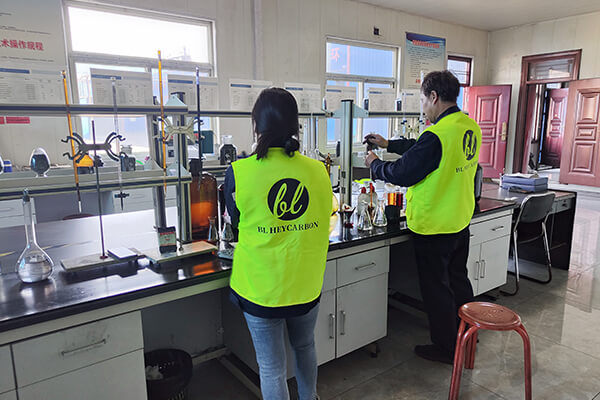
- Each batch of activated carbon undergoes multiple mixing tests to ensure quality. It also supports any form of third-party testing for customers.
Choosing High Quality Wood Powdered Activated Carbon Supplier
Technical Support
By understanding your needs and requirements, our salesmen work with you to submit the appropriate activated carbon solution.
Efficient Order Processing
Both before and after sales, our first-class customer service team has excellent communication skills and can interact seamlessly with our factories.
Price Advantage
The raw material is built in the production area, the steam is recycled, the cost is saved, Make only a reasonable profit
Quick Delivery
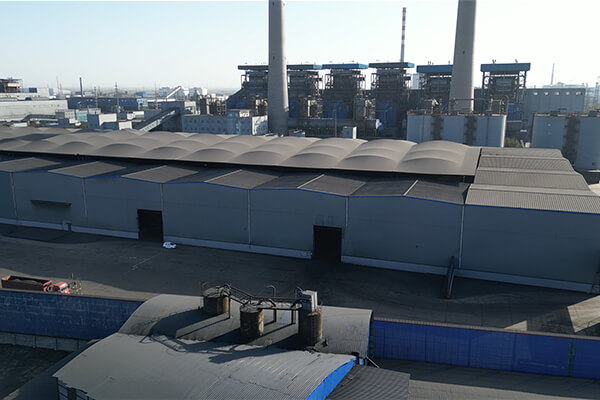
Adequate production capacity and large inventory to ensure the stability and large demand of your project



Are You Looking for China Wood Activated Carbon Manufacturer?
Contact us for design assistance, free quote, and expert advice today.
Your inquiry will be replied within 24 working hours, and Heycarb respect your privacy.