Activated Carbon for Odor Control – Heycarbons Manufacturer from China
- Over 20 years of industry experience in activated carbon for odor control market.
- Annual output 18000 tons
- 16pcs Production Patents.
- Low S, Low Fe, Low ash. High CTC and hardness.
Why Use Activated Carbon for Odor Removal?
The foul odors in sewage primarily stem from the decomposition of organic pollutants. Domestic sewage, industrial wastewater, and human or animal excreta contain large amounts of organic matter; through microbial degradation, these substances generate malodorous compounds such as hydrogen sulfide (H2S), ammonia (NH3), mercaptans, phenols, and various volatile organic compounds (VOCs). Even at low concentrations, these gases can produce distinct, unpleasant odors that not only affect the surrounding environment but may also pose risks to human health.
In addition to the decomposition of organic matter, the metabolic activities of microorganisms themselves continuously generate odorous substances. Therefore, controlling odor emissions during the wastewater treatment process requires the effective removal of malodorous pollutants from the air.
What is an Activated Carbon Deodorizer?
Thanks to its highly developed pore structure and large specific surface area, activated carbon serves as a highly efficient material for odor purification. It captures airborne odor molecules and pollutants through physical adsorption and surface chemical interactions, effectively removing various malodorous compounds such as hydrogen sulfide, ammonia, and VOCs.
To address specific types of odor pollution, impregnated activated carbon can also be employed; by introducing specific chemical components, its adsorption and catalytic capabilities are enhanced, thereby increasing removal efficiency for target pollutants.
Due to advantages such as high adsorption efficiency, stable operation, and ease of use and maintenance, activated carbon is widely used in wastewater treatment plants, industrial waste gas treatment, and other odor control applications.
Heycarbons offers activated carbon solutions optimized for specific odor components—including standard and impregnated/modified activated carbon—to help customers achieve efficient and stable control of malodorous gases.
Heycarbons Best Activated Carbon for Odor Control
Heysorbcarb®-HEYEAC Coal Extruded Activated Carbon for Odor Control

For odor control, coal-based pelletized activated carbon is one of the most popular products among customers.
Heycarbons typical coal-based extruded activated carbon specifications are as follows (Can be adjusted and customized based on customer requirements and operating conditions):
Heysorbcarb®-HEYEAC Specifications
- Size: 4mm pellet
- CTC: 60, 70, 80 min.
- Hardness: more than 95%
- pH: 9-11
- Package: 25kg/bag, 500kg/bag, bulk bag (The bag’s capacity, color, size, material, etc., can all be customized.)
Heycarbons can select high-quality clean coal from various sources and scientifically blend it based on specific customer application scenarios and target pollutant removal requirements, flexibly adjusting key parameters such as Methylene Blue value, ash content, molasses value, iodine value, and CTC.
Manufactured using a unique bonding and extrusion process, Heysorbcarb®-HEYEAC coal-based columnar activated carbon exhibits excellent mechanical strength and abrasion resistance, making it suitable for industrial purification environments requiring long-term, continuous operation.
Heysorbcarb®-HEYEAC is renowned for its well-developed micro-mesoporous structure, high adsorption capacity, high CTC value, and durability across various operating conditions. It enables you to achieve the optimal balance between purification performance and operating costs.
As a preferred substrate for industrial gas purification and chemically impregnated activated carbon, Heysorbcarb®-HEYEAC coal-based extruded activated carbon can be chemically modified to target specific pollutants. Impregnation with acids, bases, metal oxides, or composite agents enhances the adsorption and catalytic removal of various malodorous gases. Heycarbons offers customized impregnated activated carbon solutions tailored to specific customer requirements.
Heycarbons Activated Carbon for Odor Control Adsorption Principle
Heycarbons activated carbon features a highly developed pore structure and a large specific surface area. Through mechanisms such as van der Waals forces, intermolecular interactions, and the sieving effect of its pore structure, it physically adsorbs airborne pollutant molecules-trapping VOCs, solvent vapors, and organic odor molecules within its pores-thereby purifying the air of odors.
In complex odor environments-such as those found at wastewater treatment plants, waste disposal facilities, and chemical plants-pollutants typically consist of a mixture of substances including H2S, NH3, mercaptans, thioethers, and VOCs. Relying solely on the physical adsorption capacity of standard activated carbon often fails to meet the requirements for long-term, high-efficiency odor removal. Impregnated, modified activated carbon can be employed to further enhance removal efficiency and effective adsorption capacity.
Impregnated activated carbon is produced by loading specific chemical agents onto the surface of activated carbon; these agents facilitate further reactions-such as acid-base neutralization, redox, or catalytic processes-with target pollutants during adsorption, converting them into stable substances, thereby enhancing the removal efficiency of odorous molecules and extending the activated carbon’s effective service life.
Impregnated Activated Carbon for Odor Removal Chemical Reaction Principles
For acidic gases such as H2S and SO2
Impregnation with alkaline substances (e.g., KOH, K2CO3, NaOH) or metal oxides (e.g., Fe2O3, MnOx, CuO) can significantly enhance the capacity to capture sulfur-containing malodorous gases-such as H2S-through chemical reactions and catalytic oxidation.
Taking the removal of H2S using KOH-impregnated activated carbon as an example, the process relies primarily on acid-base reactions and catalytic oxidation.
KOH reacts with H2S to form stable sulfides (KHS, K2S), thereby immobilizing the hydrogen sulfide on the surface of the activated carbon. Chemical reactions:
- H2S + KOH → KHS + H2O
- H2S + 2KOH → K2S + 2H2O
Simultaneously, the presence of oxygen and moisture promotes the oxidation of H2S into elemental sulfur, further enhancing removal efficiency.
For alkaline malodorous gases such as NH3
Acidic impregnating agents, such as H3PO4, can be employed. Upon adsorption, NH₃ undergoes an acid-base reaction with the acidic components to form stable ammonium salts, thereby, achieving efficient ammonia removal.
Main chemical reactions:
- Typically, the reaction between ammonia and phosphoric acid produces monoammonium phosphate: NH3 + H3PO4 → NH4H2PO4
- When ammonia is in excess, the reaction between ammonia and phosphoric acid produces diammonium phosphate: 2NH3 + H3PO4 → (NH4)2HPO4
Organosulfur compounds
To address malodorous organosulfur substances-such as methyl mercaptan (CH3SH), dimethyl sulfide (DMS), and tert-butyl mercaptan (TBM)-alkaline components (e.g., NaOH, KI, KOH), metal oxides, or composite modified activated carbon can be selected based on gas composition and operating conditions. By utilizing multiple mechanisms-including adsorption, chemical reaction, and catalytic oxidation-the removal efficiency of activated carbon for organosulfur compounds can be enhanced.
For VOCs and Organic Odors
For most non-polar or weakly polar VOCs-such as hydrocarbons, aromatic hydrocarbons, certain solvent vapors, and odorous organic compounds-physical adsorption using bituminous coal-based pelletized activated carbon is the primary method. For specific pollutants that are difficult to adsorb, highly reactive, or co-present with malodorous sulfur-containing gases, catalytic or composite impregnated activated carbons may be employed, with multi-stage adsorption beds designed based on the pollutant composition.
Consequently, in practical activated carbon odor control systems, a combination of standard activated carbon, acid-impregnated carbon, alkali-impregnated carbon, and metal oxide-modified activated carbon can be utilized-tailored to factors such as pollutant type, concentration, humidity, temperature, and airflow rate—to achieve the targeted removal of H2S, NH3, organic sulfur compounds, and VOCs.
How to use activated charcoal for smell removal? → https://heycarbons.com/activated-carbon-for-odor-removal/
Heycarbons Activated Carbon for Odor Control Customer Case - 1
Heycarbons Activated Carbon for Odor Control Delivery to Slovenia
A Slovenian client sought to eliminate odors at a wastewater treatment plant. Given the complex and diverse nature of the target contaminants, the client procured molecular sieves, potassium permanganate spheres, H2SO4-impregnated columnar activated carbon (for alkaline substances), and KOH-impregnated columnar activated carbon (for acidic substances).
Due to project confidentiality requirements, the specific composition of the target contaminants is not disclosed here; however, the key specifications of the activated carbon are provided below for reference:
- 4mm Activated Carbon (CTC60), impregnated with 8% KOH: 3 tons
- 4mm Activated Carbon (CTC60), impregnated with 8% H2SO4: 3 tons
Please contact us for more information. We can also provide customized activated carbon solutions tailored to your specific target contaminants.
Other filter media: Molecular Sieves and Potassium Permanganate Activated Alumina Media
Heycarbons also supplied the client with molecular sieves and KMnO4-impregnated activated alumina spheres for odor treatment.
Odor emissions from wastewater treatment plants typically have high humidity. Water vapor competes with gases such as H₂S and ammonia for adsorption sites on the activated carbon surface. Molecular sieves can be used upstream to remove moisture, thereby protecting the downstream oxidizing media and activated carbon.
Potassium Permanganate-Impregnated Activated Alumina Media serve the following functions:
- Chemically removes H2S (H2S + KMnO4 → MnO2 + S + KOH + H2O).
- Reduces NH3 concentrations through oxidation.
- Utilizing the strong oxidizing properties of KMnO4, VOCs such as formaldehyde, acetaldehyde, H2S, methyl mercaptan (CH3SH), and dimethyl sulfide (DMS) are oxidized and decomposed.
Finally, impregnated pelletized activated carbon is used for deep and refined treatment.
Heycarbons Activated Carbon for Odor Control Customer Case -2
Heycarbons Activated Carbon for Odor Control to USA and Canada
In 2026, clients from various countries and regions—including the United States, Canada, and Singapore—continued to source Heycarbons activated carbon for industrial odor control and air purification projects.
Clients in the U.S. and Canada, in particular, have maintained long-standing partnerships with Heycarbons. Following their initial procurement and use of the product, these clients have highly commended its quality, adsorption performance, and stability. Backed by over two decades of consistent production experience and rigorous quality control, Heycarbons ensures uniform performance across every batch, providing reliable, long-term operational assurance for clients’ odor treatment projects.
In addition to a stable supply, Heycarbons operates its own manufacturing facilities and employs a professional technical team. This enables the company to provide customized activated carbon solutions tailored to specific pollutant types, operating conditions, and treatment objectives—delivering high-efficiency adsorption while achieving an optimal balance between treatment effectiveness and project costs.
USA: The specifications of the activated carbon purchased by the US client for odor treatment are as follows:
- Size: Diameter 4mm
- Hardness(%): more than 95
- CTC (%) : 60 min.
- 500kg/bag + 25bags (210 kg/bag)
Canada: The Canadian client is dealing with a complex mixture of odorous substances requiring removal; consequently, four types of anthracite columnar activated carbon with varying specifications were procured for this project. Specific details cannot be disclosed here, please contact us for further information.
Heycarbons Activated Carbon for Odor Control Shipped to Singapore
In addition to serving long-term partners, Heycarbons continues to work with new clients worldwide. In 2026, a Singaporean client made their first purchase of Heycarbons’ coal-based extruded activated carbon for an odor control project. From rapid delivery to actual application results, customers have provided positive feedback on Heycarbons’ supply capabilities and product performance.
Upon delivery, the customer immediately deployed the product in an actual odor treatment project. Operational use confirmed the product’s high adsorption efficiency, stable performance, and excellent mechanical strength, earning high praise from the customer.
Thanks to its well-developed micro- and mesoporous structure and superior abrasion resistance, the 4mm coal-based columnar activated carbon meets the demands of long-term, continuous operation in industrial odor control applications.
Heysorbcarb®-HEYEAC Specifications:
- Bituminous Coal Extruded Activated Carbon
- Size: 4mm
- CTC: 60 min.
- Iodine value: more than 1000 mg/g
- Ash: less than 10%
Why Choose Heycarbons for Odor Control Project?
From initial collaboration to the successful adoption of our products, Heycarbons has remained dedicated to providing global clients with stable, high-performance activated carbon products and professional technical support.
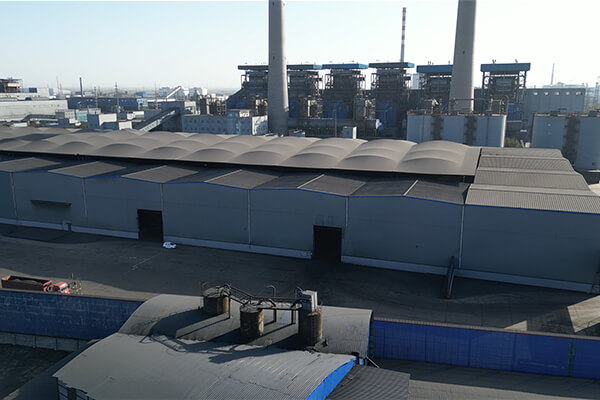
Leveraging our own manufacturing facilities, a comprehensive quality control system, and extensive experience in gas purification applications, Heycarbons delivers customized activated carbon solutions tailored to specific odor compositions and operational requirements.
We help clients effectively remove malodorous pollutants—such as H2S, NH3, and VOCs—to achieve a cleaner and more stable air environment.
Custom Heycarbons Activated Carbon Odor Control Solutions
Heycarbons provides professional activated carbon solutions at competitive prices.
Where to Buy Activated Charcoal for Odor Removal?
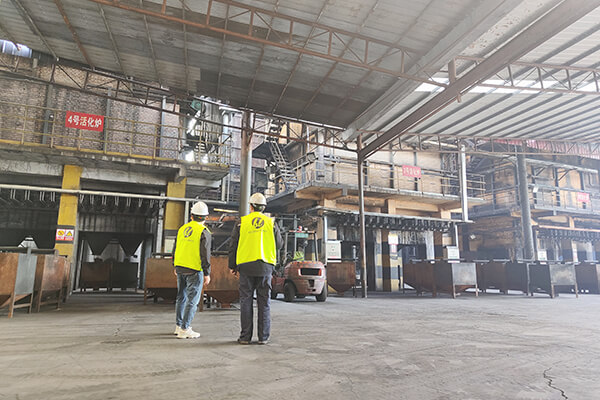
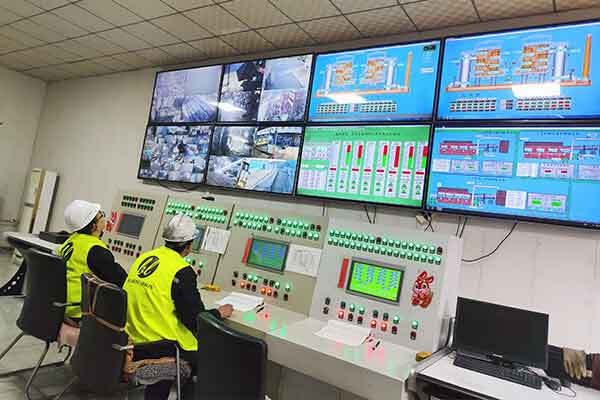
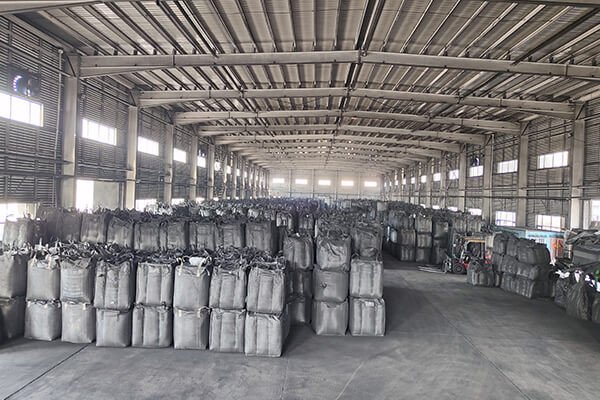
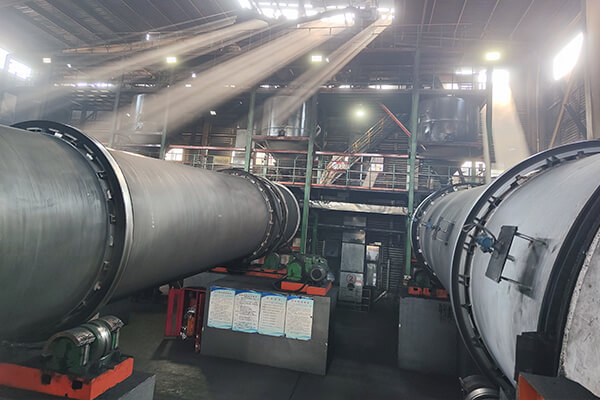
Heycarbons has proudly served the activated carbon industry with high-quality products since 2005. Heycarbons can customize activated carbon for your odor control treatment project.
- Customized size, iodine value, ash, methylene blue, moisture, specific surface area, etc.
- Heycarbons customized package to promote your brand, and free design service.
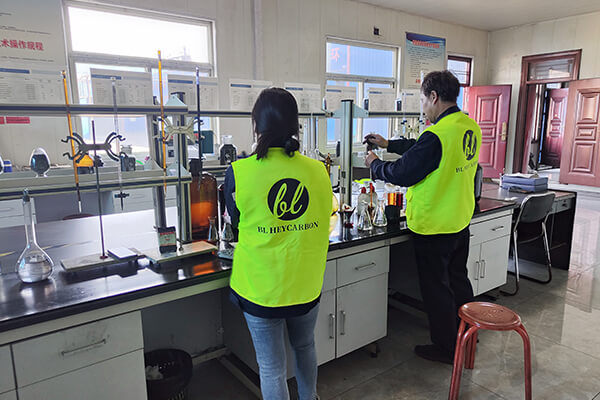
- Each batch of activated carbon undergoes multiple mixing tests to ensure quality. It also supports any form of third-party testing for customers.
Call Us
+86-180 3788 5195
Our Email
info@heycarbons.com
Reliable carbon from China, with confidence — Choose Heycarbons
Steps to Custom Heycarbons Activated Carbon for Odor Control
Consultation
By understanding your needs and requirements, our salesmen work with you to submit the appropriate activated carbon solution.
Quotation
Heycarbons expert customer service will provide you with a free quote based on your requirements as well as product specifications and quantities.
Production
Heycarbons has sufficient inventory and strong production capacity, and will report production progress to you from time to time.
Shipping
Heycarbons know you need to receive the product as soon as possible, after rigorous quality checks and protective packaging, by fedex shipping.

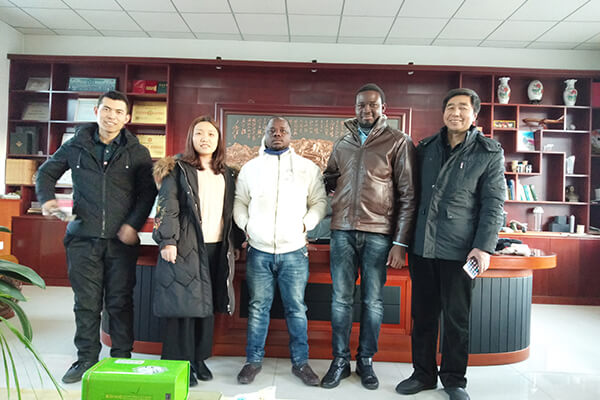
Are You Looking for Activated Carbon Supplier for Odor Control?
Contact us for design assistance, free quote, and expert advice today.
Your inquiry will be replied within 24 working hours, and Heycarbons respect your privacy.