Coconut Shell VS Coal Granular Activated Carbon - Heycarbons Manufacturer From China
Heycarbons is a professional activated carbon supplier, comparing Coconut Shell VS Coal Granular, including pore structure, adsorption performance, hardness, ash content, cost, and applications comparison in this article.
Coconut Shell VS Coal Granular Activated Carbon Introduction
One of the most common questions when choosing granular activated carbon (GAC) is: Should I choose coconut shell activated carbon or coal activated carbon? There is no one-size-fits-all answer.
Both coconut shell activated carbon and coal-based activated carbon are highly efficient adsorbents, but they differ in pore structure, hardness, ash content, adsorption characteristics, cost, and suitability for different pollutants.
Generally speaking, coconut shell activated carbon is known for its highly developed microporous structure, high hardness, and relatively low ash content. Coal-based activated carbon (especially bituminous coal-based activated carbon) has a wider pore size distribution, containing more mesopores, which makes it highly advantageous in industrial water, wastewater treatment, and general purification applications.
However, raw materials alone cannot determine adsorption performance.
Choosing the most suitable activated carbon requires comprehensive consideration of the target pollutant, molecular size, operating conditions, required service life, physical durability, and total treatment cost.
This article will explain the main differences between coconut shell granular activated carbon and coal-based granular activated carbon, and how to select the appropriate activated carbon product for water treatment, wastewater purification, air and VOCs control, gold recovery, and other industrial applications.

What is Coconut Shell VS Coal Granular Activated Carbon?
What is Coconut Shell Granular Activated Carbon?
Heycarbons coconut shell activated carbon is made from coconut shells grown for more than five years using controlled carbonization and activation processes (usually using high-temperature steam).
Coconut shells themselves have a dense and hard structure. After activation treatment, a large number of extremely fine pores, or “micropores,” are typically formed inside.
Another important advantage lies in its mechanical strength. Heycarbons coconut shell granular activated carbon (GAC) typically has excellent hardness and abrasion resistance, which can reduce the fine particles (powder) generated during transportation, backwashing, regeneration, and actual operation.
Please watch the video on the production process of Heycarbons coconut shell granular activated carbon.

HEYSORBCARB®-HEYCCGAC Specification
- Size: 4*8, 5*10, 6*12, 8*16, 8*30, 12*40, 30*60, 80*150 mesh
- Iodine value: 700-1700 mg/g
- Hardness: 98-99.9% min.
- Bulk density: 0.45-0.55 g/cm3
- Ash: 2-4% max.
What is Coal Granular Activated Carbon?
Coal-based activated carbon can be made from various types of coal: bituminous coal from Datong, Shanxi, and Xinjiang; anthracite from Ningxia; and lignite. By selecting different coal raw materials and activation conditions, parameters such as pore size distribution, surface area, apparent density, hardness, and ash content can be flexibly adjusted to meet different customer needs.
Compared to coconut shell activated carbon, coal-based activated carbon has a wider distribution of micropores and mesopores, making it particularly suitable for processing mixtures of organic compounds containing different molecular sizes.
In addition, coal-based activated carbon has a relatively low cost, making it very suitable for large-capacity processing systems.
Please watch the video on the production process of Heycarbons coal granular activated carbon.

HEYSORBCARB®-HEYGAC Specification
- Size: 4*8, 5*10, 6*12, 8*16, 8*30, 12*40, 30*60, 80*150 mesh
- Iodine value: 500-1100 mg/g
- Hardness: 90-95, 95-98% min.
- Bulk density: 0.45-0.55 g/cm3
- Ash: 5-8%, 8-12%, 12-15%, 15-18% max.
Coal VS Coconut Granular Activated Carbon Performance Comparison
1. Pore Size Structure: Activated Carbon Coal VS Coconut
The adsorption performance of activated carbon is closely related to its pore structure and pore size distribution. Although specifications such as specific surface area and iodine value can reflect certain aspects of adsorption capacity, the key factor determining actual treatment effectiveness is whether the pore size of the activated carbon matches the molecular dimensions of the target pollutants.
The adsorption of activated carbon primarily occurs on the surfaces of its internal pores. This internal surface area can only be effectively utilized when contaminant molecules are able to enter the corresponding pore channels. Consequently, activated carbons with different pore size structures are suitable for treating different types of contaminants.
Micropores: Better Suited for Adsorbing Small Molecules.
Micropores are typically the primary source of the specific surface area and adsorption capacity of activated carbon. When the size of the target molecule closely matches the pore diameter, the Van der Waals forces exerted by the pore walls can superimpose, creating a strong adsorption potential and enhancing the capacity to adsorb small molecules.
Coconut shell activated carbon features a highly developed microporous structure, offering excellent adsorption capabilities for many low-molecular-weight organic compounds and small-molecule volatile organic compounds (VOCs).
Additionally, coconut shell activated carbon typically exhibits a high iodine value. Since the iodine value primarily reflects the extent of micropore development, a higher value—under comparable conditions—generally indicates a greater abundance of micropores and a stronger capacity to adsorb small molecules.
This is a key reason why coconut shell activated carbon is widely used in applications such as advanced drinking water purification, gas-phase adsorption, and gold recovery.
Mesopores: More Suitable for Medium-to-Large Organic Molecules Adsorption.
For organic pollutants with large molecular dimensions, if the pore size of the activated carbon is too small, the molecules struggle to penetrate the internal pores; consequently, even if the activated carbon possesses a high BET specific surface area, that portion of the surface area may not be fully utilized.
Compared to coconut shell activated carbon, coal-based activated carbon typically exhibits a broader pore size distribution, containing some micropores but a higher proportion of mesopores.
Mesopores primarily serve two functions: on one hand, they provide direct adsorption space for larger organic molecules; on the other, they act as mass-transfer channels connecting the outer surface of the activated carbon to the internal micropores, thereby enhancing the speed and efficiency with which pollutants enter the internal pore structure.
Mesopores serve two primary functions: on one hand, they provide direct adsorption space for larger organic molecules; on the other, they act as mass-transfer channels connecting the outer surface of the activated carbon to the internal micropores, thereby enhancing the rate and efficiency at which pollutants enter the internal pore structure.
Consequently, coal-based GAC typically accommodates a wider range of pollutant molecular sizes and exhibits more balanced overall adsorption performance.
Although the iodine value of certain coal-based activated carbons may be lower than that of high-quality coconut shell activated carbon, a more developed mesoporous structure can actually yield superior treatment results for medium-to-large organic pollutant molecules, complex organic compounds in industrial wastewater, and specific decolorization applications.
Therefore, when selecting activated carbon, one should not rely solely on comparisons of BET surface area or iodine value; it is more important to choose a product with an appropriate pore size distribution based on the molecular size and concentration of the target pollutants, as well as the specific adsorption environment.
2. Mechanical Strength and Wear Resistance: Coal VS Coconut Granular Activated Carbon
Mechanical strength directly determines the service life of activated carbon, especially in stirred and fluidized environments (such as gold beneficiation and fluidized bed processes). Insufficient strength can lead to activated carbon breakage and powder formation, which not only affects the adsorption effect but may also clog the equipment and cause losses.
Hardness of Activated Carbon & Abrasion Number (ASTM D3802 Standard)
Coconut shell activated carbon has a hardness of 98-99.9%, making it one of the hardest activated carbons on the market and difficult to break. Coal-based activated carbon has a hardness of 90-95%, 95-98%, depending on the grade of raw coal and the binder content. Lower-grade coal-based activated carbon has lower hardness and is more easily broken.
The abrasion number is directly related to the use in fluidized beds, mixing systems, and other scenarios. For example, in gold recovery scenarios, activated carbon needs to be pumped in slurry form and subjected to interparticle abrasion in mixing tanks. If the hardness is too low, a large number of fine carbon particles or powder will be generated, causing adsorbed gold to be lost with the activated carbon residue, resulting in irreversible loss.
Therefore, activated carbon designed for gold recovery typically requires very high hardness and a low abrasion number.
3. Ash Content: Coconut Shell VS Coal Granular Activated Carbon
Ash content refers to the impurity content in activated carbon. Higher ash content indicates lower purity. In certain sensitive applications (such as drinking water and pharmaceuticals), excessive ash may introduce harmful substances, affecting product quality.
- Coconut Shell Activated Carbon
Coconut shell activated carbon is made from coconut shells, a clean lignocellulosic matrix with extremely low mineral content. Therefore, its ash content can be as low as 2%-4%, resulting in high purity and making it suitable for sensitive applications without additional processing.
- Coal-based Activated Carbon
Coal-based activated carbon is made from raw coal, and its minerals originate from the coal, resulting in a higher ash content. Standard-grade coal-based activated carbon has an ash content between 6% and 14%.
Additionally, both types of activated carbon can be acid-washed to reduce ash content. After acid washing, the ash content of coconut shell activated carbon can be as low as 1%; coal activated carbon is ≤ 3, 5, 6, 8%. Acid-washed activated carbon exhibits a significant reduction in ash content and a more stable pH value, making it suitable for sensitive applications requiring extremely high purity (such as the pharmaceutical and electronics industries).
Applications of Activated Carbon Coal VS Coconut Shell
For Drinking Water Purification
Coconut shell granular activated carbon—characterized by high iodine value, low ash content, and low impurity levels—is widely used in advanced drinking water treatment. Its well-developed microporous structure provides excellent adsorption capabilities for odor-causing substances, certain small-molecule organic pollutants, and various trace organic compounds. Additionally, its high mechanical strength makes it suitable for long-term operation and repeated backwashing, ensuring a long service life and the safety of the drinking water.
Bituminous coal-based granular activated carbon is also suitable for municipal drinking water treatment. High-quality bituminous coal-based activated carbon with an iodine value 850-1050 mg/g typically offers excellent overall adsorption performance at a relatively low cost. Due to its generally broader pore size distribution compared to coconut shell-based activated carbon (IV≤1500mg/g), it is often the more suitable choice when the source water contains high levels of natural organic matter (NOM), large-molecule organics, or a variety of synthetic organic contaminants.
Therefore, in drinking water treatment, selecting activated carbon is not simply a matter of “the higher the iodine value, the better.” Coconut shell activated carbon generally offers advantages for water requiring the removal of small molecules and trace organic contaminants. For raw water containing a complex mix of organic compounds and a broad molecular size distribution, high-quality bituminous coal-based activated carbon achieves a superior balance between cost-effectiveness and adsorption performance.
For Wastewater Treatment
Coal-based activated carbon is one of the most widely used options in industrial wastewater treatment. Industrial wastewater typically contains organic pollutants with diverse molecular sizes and chemical properties—such as phenols, aromatic compounds, dyes, surfactants, humic substances, certain high-molecular-weight organics, and various processing aids—which collectively contribute to the wastewater’s COD load.
Coal-based activated carbon typically features a broader pore size distribution and a more abundant mesoporous structure. This enhances the accessibility of medium-to-large organic molecules to internal pores and improves mass transfer efficiency. Consequently, coal-based activated carbon often demonstrates more balanced adsorption performance when treating industrial wastewater characterized by complex compositions and a wide distribution of molecular sizes.
In addition, coal-based activated carbon typically offers a cost advantage, making it suitable for industrial wastewater treatment systems characterized by high flow rates and high organic loads. It is commonly used in the advanced treatment of wastewater from sectors such as chemicals, printing and dyeing, coking, and pharmaceuticals, as well as mixed industrial wastewater.
However, activated carbon exhibits selectivity in COD removal; not all COD components can be effectively adsorbed. Actual selection should still be based on an assessment of pollutant composition, molecular weight distribution, influent concentration, pH, and treatment objectives.
For Gold Recovery
Coconut shell granular activated carbon is typically the preferred material for gold recovery using CIP and CIL processes. In the gold recovery process, in addition to excellent gold adsorption performance, extremely high mechanical strength and abrasion resistance are also required.
In CIP/CIL systems, activated carbon circulates within the pulp for extended periods, undergoing processes such as agitation, transport, screening, and desorption-regeneration. If the carbon lacks sufficient strength, it is prone to breakage and attrition, generating fine carbon particles.
Since these fine carbon particles may have already adsorbed gold, their loss from the recovery system along with the pulp results in a direct loss of gold. For gold mines operating continuously over the long term, even a low rate of carbon loss can accumulate into significant economic losses.
Heycarbons gold activated carbon undergoes unique air-classification and polishing processes to strictly control particle size distribution. These processes remove fragile fines and sharp edges, resulting in more uniform and smoother carbon particles. This minimizes attrition and the generation of fines during operation, reduces the loss of gold-loaded carbon, and enhances the operational stability and economic efficiency of CIP/CIL gold recovery systems.
How to Choose Coconut Shell VS Coal Granular Activated Carbon?
Based on the above comparisons, Heycarbons outlines a simple and practical framework for selecting activated carbon. When making a selection, one should comprehensively consider target pollutants, pore size compatibility, treatment requirements, operating conditions, and costs, while further validating the choice through bench-scale or on-site testing.
Scenarios Where Coconut Shell Granular Activated Carbon is the Preferred Choice
- Small-Molecule Target Contaminants, such as certain low-molecular-weight VOCs, sulfur-containing compounds, and small-molecule organic contaminants in water. Coconut shell activated carbon typically features a highly developed microporous structure, offering superior adsorption performance for these types of pollutants.
- Strict Purity, Ash & Leachables Requirements: Such as in drinking water, food, pharmaceuticals, and other applications sensitive to impurities.
- Applications Requiring Activated Carbon Regeneration or Reuse: Applications such as gold extraction and high-end water treatment involve repeated loading and unloading, backwashing, or thermal regeneration.
- Strong Friction or Hydraulic Impact During Operation: Such as agitation systems, high-velocity fixed beds, or backwash systems—require high mechanical strength and wear resistance.
- For gold extraction: In gold recovery processes such as CIP and CIL, granular coconut shell activated carbon—characterized by high hardness, low ash content, and excellent wear resistance—is typically preferred to minimize carbon attrition and gold loss.
- Learn more details about Coconut Shell Granular Activated Carbon
Scenarios Where Coal Granular Activated Carbon is a more Suitable Choice
- For Complex Contaminants and Medium- to Large-Molecular-Weight Organics: Coal-based activated carbon typically features a broad pore size distribution and a well-developed mesoporous structure, offering advantages in applications involving complex industrial wastewater, the removal of organic pollutants, and certain gas-phase adsorption processes.
- Cost-Sensitive Projects: Provided that processing requirements are met, coal-based granular activated carbon typically offers a favorable overall cost-performance ratio, making it particularly suitable for large-scale industrial projects.
- Complex Water Quality & Multiple Contaminants. Due to its relatively broad pore size distribution, coal-based granular activated carbon is compatible with pollutants of varying molecular sizes, making it commonly used in industrial wastewater and municipal water treatment.
- For Gas-phase Purification or Solvent Recovery, coal-based pelletized activated carbon is typically used, but low pressure drop is required. The goal is to achieve an optimal balance between adsorption performance and bed pressure drop.
- High Consumption, Low Ash Requirements: For projects such as large-scale industrial water treatment, municipal wastewater treatment, and flue gas purification—where there are no particularly strict requirements regarding ash content or product purity—coal-based granular activated carbon is generally more cost-effective.
- Learn more details about Coal Granular Activated Carbon
Inquiries are welcome!
We guarantee that Heycarbons supplies products in strict accordance with the specifications and quality standards confirmed by both parties. Should any parameters fail to meet the requirements, we will inform you honestly and consult with you prior to shipment. Furthermore, we welcome third-party inspections in any form to ensure that the product quality meets the agreed-upon standards.
Custom Heycarbons Activated Carbon Solutions for Your Project
Heycarbons provides a full range of activated solutions at competitive prices.
What Clients Say on Our Activated Carbon
Why Choose Heycarbons Activated Carbon Supplier?
Heycarbons has proudly served the activated carbon industry with high-quality products since 2005, Heycarbons can customize your activated carbon for your purification and gold recovery project.
- Customized size, iodine value, methylene blue, molasses value, PH, ash, specific surface area, etc.
- Cost-effective solutions customized according to customer applications.
- Heycarbons customized package to promote your brand, and free design service.
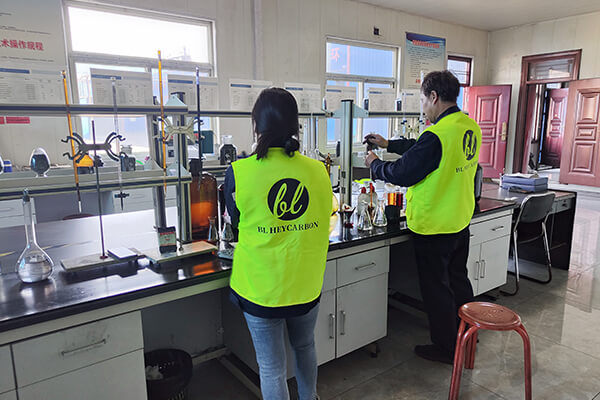
- Each batch of activated carbon undergoes multiple mixing tests to ensure quality. It also supports any form of third-party testing for customers.
Steps to Custom Activated Carbon Solutions for Your Project from China
Consultation
By understanding your needs and requirements, our salesmen work with you to submit the appropriate activated carbon solution.
Quotation
Heycarbons expert customer service will provide you with a free quote based on your requirements as well as product specifications and quantities.
Production
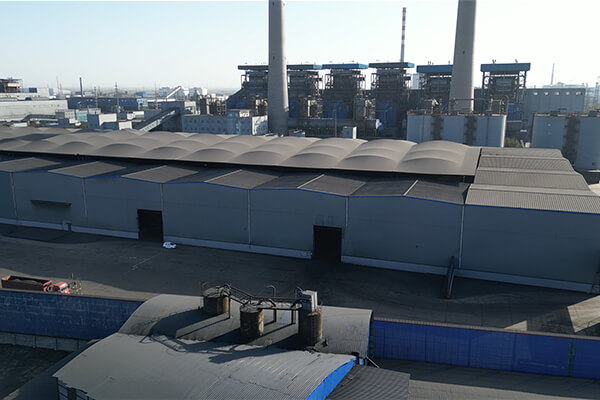
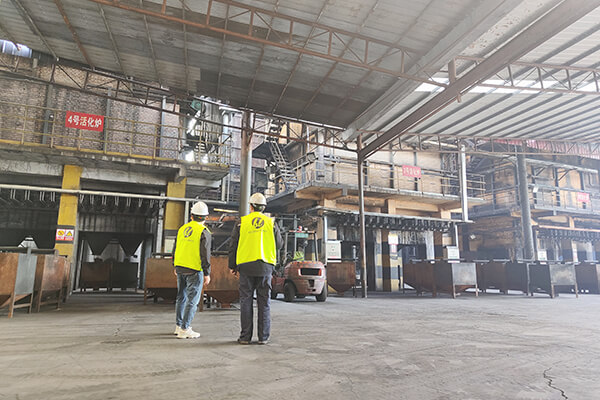
Heycarbons has sufficient inventory and strong production capacity, and will report production progress to you from time to time.
Shipping
Heycarbons know you need to receive the product as soon as possible, after rigorous quality checks and protective packaging, by fedex shipping.


Are You Looking for Activated Carbon Direct Factory from China?
Contact us for design assistance, free quote, and expert advice today.
Your inquiry will be replied within 24 working hours, and we respect your privacy.