Heycarbons Activated Carbon For Bottled Water Treatment in Serbia Customer Case
Activated Carbon For Bottled Water Treatment
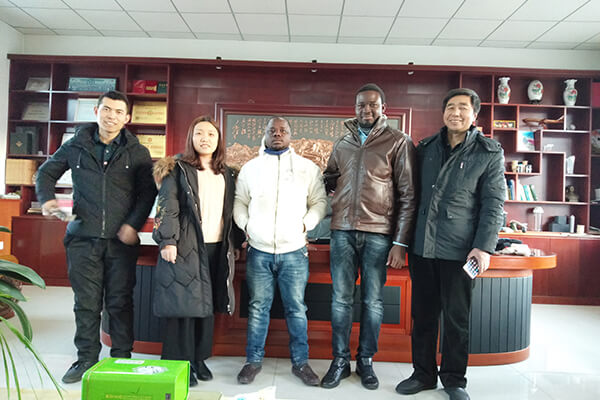
Activated Carbon to Serbia Customer Case
- Destination Country: Serbia
- Quantity: 3.5 tons (2 tons of powder, 1.5 tons of granules)
- Application: Activated carbon for bottled water purification
Activated Carbon For Bottled Water Treatment Specification
HEYSORBCARB®-CPAC200
- Coal Activated Carbon Powder
- Size through 200 mesh, 90% pass
- Iodine value: 950-1000 mg/g
- pH: 9-11
- Ash: 8% max.
- Moisture: 5% max.
- Zinc: 0.002% max.
HEYSORBCARB®-CCGAC
- COCO Granular Activated Carbon
- Size: 8-16 mesh
- Iodine value:1100-1250 mg/g
- Hardness: 95-99%
- Ash: 4% max.
- Moisture: 2% max.
Activated Carbon For Bottled Water Purification Treatment Bill of Lading


Coal Powdered Activated Carbon And Coconut Shell Granular Activated Carbon for Bottled Water Purification
Effects of Different Activated Carbon
• Coal-based powdered activated carbon: Primarily used in the pretreatment stage, it targets large, unpleasant, seasonal pollutants. It precisely removes specific targets and then discharges them with the sludge.
• Coconut shell granular activated carbon: Primarily used in the advanced finishing stage, it provides a long-term, stable barrier. It continuously filters, ensuring long-term water purity and consistent taste.
Coal-based Powdered Activated Carbon for Bottled Water Purification
Coal-based powdered activated carbon appears as an extremely fine black powder with a large specific surface area and a well-developed microporous structure, making it particularly adsorbent of large organic molecules.
Main Functions and Objectives
• Color and Odor Removal: Effectively removes musty and fishy odors, as well as odors caused by algal secretions (such as geosmin and 2-methylisoborneol (MIB)).
• Organic Matter Removal: Adsorbs large organic molecules such as natural organic matter, pesticide residues, and industrial pollutants in water.
• Pollution Response: When seasonal algal blooms or sudden organic pollution occur in water sources, adding PAC is a quick and effective emergency measure.
Coal-based Powdered Activated Carbon for Bottled Water Purification Treatment Process
Step 1: Dosage Point and Dosing
- Dosage Point: Typically located at the raw water inlet, before the coagulation tank, or within the coagulation tank. This allows sufficient time for the PAC to fully contact the target pollutants in the water.
- Dosage System: Dosage is performed using a dedicated dry or wet dosing machine. Typically, PAC powder is mixed with water to form a slurry of a specific concentration (e.g., 5%-10%), which is then precisely dosed into the water stream via a metering pump.
Step 2: Mixing and Adsorption
- After dosing, mechanical or hydraulic agitation is used to quickly and evenly disperse the PAC powder in the water, forming a suspension.
- Critical “Adsorption Time”: Sufficient contact time (typically 15-30 minutes) is required to allow sufficient time for organic molecules in the water to diffuse and enter the pores of the PAC for adsorption.
Step 3: Separation and Removal
- PAC itself cannot precipitate in water and must be attached to a carrier for removal.
- Coordination with the coagulation process: In the subsequent coagulation step, the addition of a coagulant (such as polyaluminum chloride (PACl)) causes fine suspended matter and colloids in the water to form “flocs.” Dispersed PAC particles are encapsulated or adsorbed within these flocs.
- Sedimentation and Filtration: The flocs, carrying PAC, settle in a sedimentation tank (such as a sloping tube sedimentation tank), and the supernatant enters the subsequent sand filter. In the sand filter, unsettled fine flocs are further trapped.
- Final Destination: The sludge from the sedimentation tank and the PAC in the filter backwash water are discharged from the system as solid waste.
Coconut Shell Granular Activated Carbon for Bottled Water Purification
Coconut shell granular activated carbon is a hard, amorphous black granule with a well-developed pore structure, particularly rich in micropores and mesopores. It offers high mechanical strength and is suitable for use in filter tanks.
Main Functions and Objectives
• Deep Purification: Removes trace organic matter and odorous substances remaining after PAC treatment.
• Residual Chloride and Chloride Removal: This is the most important and classic function of GAC. Through chemical reactions, it efficiently removes residual chlorine and disinfection byproducts (such as trihalomethanes (THMs)) from water, protecting the subsequent reverse osmosis membrane and improving taste.
• As Biological Activated Carbon: Microbial flora gradually grow on the surface of the GAC filter bed. These microorganisms degrade adsorbed organic matter, achieving “biological regeneration” and extending the life of the carbon bed.
• Improving Water Quality Stability: As the last (or second-to-last) purification barrier before leaving the water supply, it ensures that the water’s taste and chemical properties remain stable and meet standards over the long term.
Coconut Shell Granular Activated Carbon for Bottled Water Purification Treatment Process
In the post-processing stage of bottled water, the substances that need to be removed are mainly small molecular pollutants. Coconut shell granular activated carbon has well-developed micropores and is suitable for the removal of small molecules; it has low ash content and will not cause secondary pollution.
Step 1: Filter Bed
Coconut shell granular activated carbon is loaded into the filter canister to form a filter bed of a certain thickness (usually 1.0-2.5 meters). Quartz sand or pebbles are placed above and below the filter bed to prevent activated carbon loss and ensure even water distribution.
Step 2: Filtration/Adsorption Operation
After sand filtration and PAC pretreatment, water enters the canister from the top and flows through the GAC filter bed.
• Physical Adsorption: Dissolved organic matter and trace odor molecules in the water are adsorbed by the GAC pores.
• Chemical Adsorption (Dechlorination): Residual chlorine undergoes a redox reaction with the GAC surface, reducing it to chloride ions and thus being removed. The reaction equation is: C + 2Cl₂ + 2H₂O → 4HCl + CO₂.
• Biodegradation: After the filter bed has been in operation for a period of time, a biofilm will form, which will biologically decompose organic matter.
Step 3: Backwash
Every few days or depending on the pressure differential, flush the filter canister with clean filtered water at high speed in the reverse direction. This causes the filter bed to expand and remove trapped impurities. The backwash wastewater is then discarded.
Step 4: Replacement and Regeneration
Regularly test the filter for residual chlorine, COD<sub>Mn</sub> (oxygen consumption), or total organic carbon (TOC) to determine if the filter has failed.
Remove the saturated coconut shell GAC and transport it to a specialized facility for high-temperature thermal regeneration to restore its adsorption properties before reuse. This is an economical and environmentally friendly approach.
Custom High-quality Activated Carbon Solution for Serbian Market
Heycarbons provides a full range of activated solutions at competitive prices.
Why Choose Heycarbons Activated Carbon in Serbian Market?
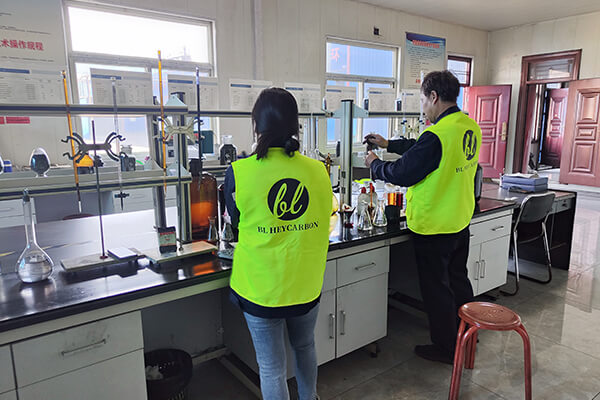
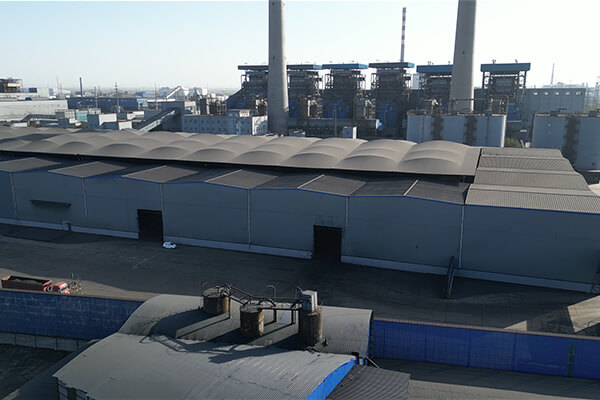
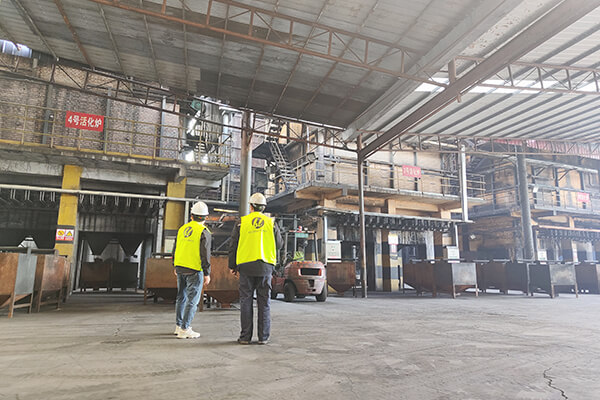
Heycarbons has proudly served the activated carbon industry with high-quality products since 2005. There are 16 patents.
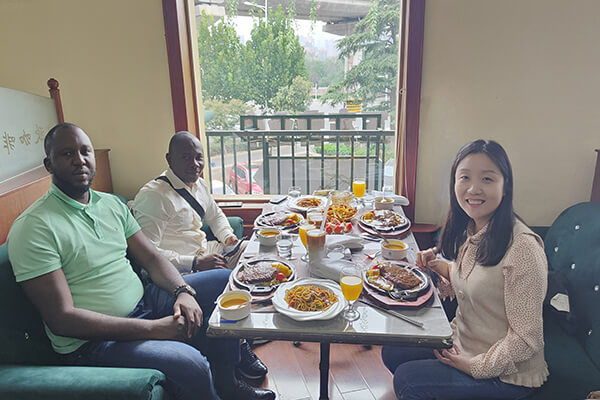
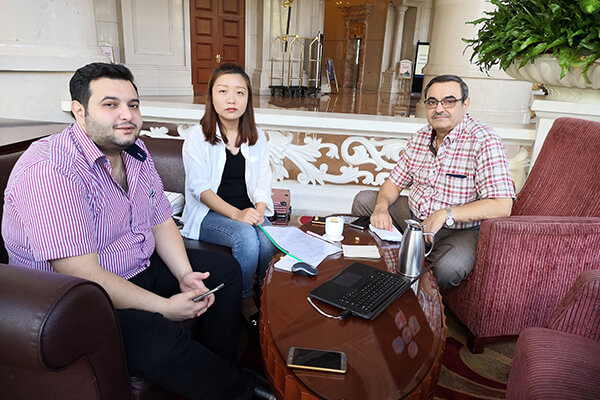
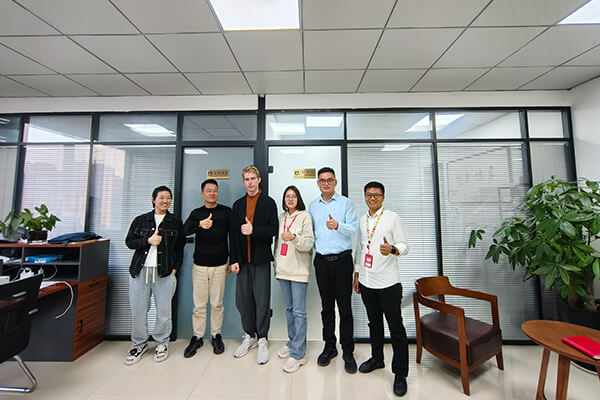
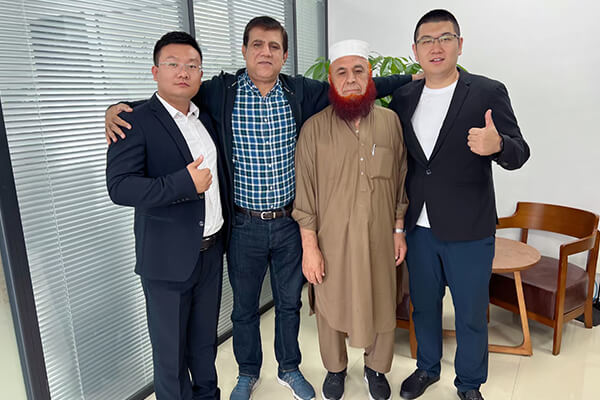
- First, on the left you can see what our customers say about us?
- Secondly, we have extensive experience in the bottled water treatment.
- When encountering problems, we actively respond to ensure a good customer experience.
Steps to Custom Heycarbons Activated Carbon in Serbia
Consultation
By understanding your needs and requirements, our salesmen work with you to submit the appropriate activated carbon solution.
Quotation
Heycarbons expert customer service will provide you with a free quote based on your requirements as well as product specifications and quantities.
Production
Heycarbons has sufficient inventory and strong production capacity, and will report production progress to you from time to time.
Shipping
Heycarb know you need to receive the product as soon as possible, after rigorous quality checks and protective packaging, by fedex shipping.
Are You Looking for Heycarbons Activated Carbon Manufacturer in Serbia?
Contact us for design assistance, free quote, and expert advice today.
Your inquiry will be replied within 24 working hours, and Heycarb respect your privacy.