
Activated Carbon For Methanol Purification and Decolorization
Why is Activated Carbon Needed to Decolorize Methanol?
Methanol (CH3OH) is one of the simplest alcohol compounds, a colorless and transparent liquid at room temperature, and possesses a certain degree of toxicity. It is also a typical volatile organic compound (VOC). Due to its good solubility and chemical reactivity, methanol is widely used as a solvent, in formaldehyde production, fuel additives, and in the production of chemical products such as methyl methacrylate (MMA) and acetic acid. It is also an important raw material in the fields of fine chemical synthesis and extraction.
Industrial crude methanol is typically produced from natural gas through syngas production and catalytic synthesis. During production, storage, and transportation, methanol may contain residual or introduced organic impurities, trace byproducts, and pigments, leading to problems such as yellowing, off-odors, or increased color intensity.

For applications such as pharmaceuticals, electronics, fine chemicals, fragrances, and laboratory reagents, which have high requirements for purity and appearance, methanol usually needs to undergo further refining and decolorization to remove impurities, reduce color, and meet the quality requirements of high-purity products.
Activated carbon, with its well-developed pore structure and excellent adsorption properties, can effectively remove organic impurities, trace pigments, and odor substances from methanol, making it an important adsorption material in the methanol refining and decolorization process.
Heycarbons Activated Carbon for Methanol Decolorization
Heysorbcarb®-HEYWPAC Wood Powdered Activated Carbon Methanol Decolorization

Heycarbons wood powdered activated carbon, produced via a chemical phosphoric acid process, boasts a rich mesoporous structure, making it a popular choice for methanol decolorization.
Many customers find us through the Heycarbons website and purchase Heysorbcarb®-HEYWPAC activated carbon for their methanol decolorization projects. Many of them have expressed satisfaction with the adsorption efficiency and stable quality of Heysorbcarb products, resulting in a high repurchase rate.
Heysorbcarb®-HEYWPAC has well-developed mesopores, exhibiting strong adsorption capacity for large molecular weight pigments, phenols, odor substances, sulfides, and high-boiling-point organic compounds. Furthermore, its adsorption of small-molecule methanol is relatively weak, preventing significant methanol loss.
Wood Powdered Activated Carbon Specifications for Methanol Decolorization
The Heysorbcarb®-HEYWPAC wood powdered activated carbon product specifications are as follows:
| Heysorbcarb®-HEYWPAC | Specification |
|---|---|
| Size | 200, 325 mesh |
| Methylene blue | > 210-320 mg/g |
| Moisture | <10% |
| Ash | <6-8% |
| pH | 4-7 |
| AS | 3ppm max. |
| Chloride | 0.2% max. |
| Heavy metal | 5ppm max. |
Heysorbcarb®-HEYWGAC Wood Granular Activated Carbon for Methanol Decolorization

Wood granular activated carbon utilizes an automated wood granulation activated carbon production line. High-quality hardwood chips are carefully selected as raw materials. The raw materials undergo a process of crushing, mixing, granulation, drying, carbonization, and activation.
Heycarbons’ unique production process results in a product with a large surface area, strong decolorization capacity, and a well-developed pore size. Compared to powdered activated carbon, wood-based granular activated carbon is better suited for fixed-bed applications and allows for continuous operation.
- Size: 8-16, 8-30, 12-40, 30-60 mesh
- Iodine value: ≥ 900-1200 mg/g
- Methylene blue: ≥ 210-320 mg/g
Heysorbcarb®-HEYBGAC Coal Reagglomerated Activated Carbon Methanol Decolorization
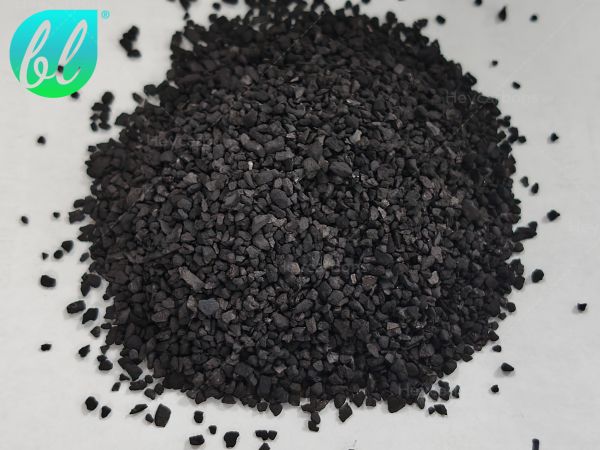
Heycarbons coal reagglomerated briquetted granular activated carbon is produced through coal blending technology, using a binder to reagglomerate coal powder, followed by carbonization and activation.
Activated carbon parameters can be flexibly adjusted, and it features high methylene blue content, high molasses value, and high mechanical strength. It’s regenerable, offers a long service life, and entails low comprehensive operating costs, and it’s suitable for high-throughput, continuous industrial production.
- Size: 8-16, 8-30, 12-40, 30-60 mesh
- Iodine value: 950-1100 mg/g
- Molasses value: ≥ 200-270
- Methylene blue: ≥ 210-320 mg/g
How Heycarbons Activated Carbon Decolorizes Methanol?
Activated Carbon for Methanol Decolorization Principles
After carbonization and phosphoric acid activation, activated carbon forms a well-developed hierarchical porous structure. The phosphoric acid activation process promotes the expansion, dehydration, and cross-linking of the wood fiber structure, constructing a rich mesoporous network and increasing the oxygen-containing functional groups on the activated carbon surface, thereby enhancing its adsorption capacity for organic impurities.
During methanol decolorization, wood-based powdered activated carbon, with its well-developed mesoporous structure, provides excellent channels for the diffusion and adsorption of impurity macromolecules. Through van der Waals forces, intermolecular forces, and surface chemical interactions, activated carbon can effectively adsorb trace amounts of colored organic impurities in methanol, including aldehydes, phenols, acids, and other oxidation byproducts.
Meanwhile, the oxygen-containing functional groups on the surface of activated carbon, such as hydroxyl (–OH), carboxyl (–COOH), carbonyl (C=O), and ether (C–O–C), can form hydrogen bonds with polar organic impurities (aldehydes, alcohols, and acids), further enhancing adsorption selectivity.
In addition, the π-π electron interactions generated by the well-developed graphite-like aromatic carbon structure inside activated carbon can enhance the selective adsorption of organic impurities containing aromatic rings and conjugated structures, thereby effectively reducing methanol color and improving product appearance and purity.
Because methanol molecules are small and highly polar, while phosphoric acid-based wood powder activated carbon has a predominantly mesoporous structure and higher selectivity for large colored impurities, it has lower adsorption of methanol itself. This allows for efficient decolorization and purification while minimizing methanol solvent loss.
Key Activated Carbon Quality Parameters for Methanol Decolorization: pH, Ash and Metals
1. pH value
This is because the pH of activated carbon indirectly reflects its surface chemical properties and the presence of acidic, alkaline, or water-soluble inorganic residues—substances that are particularly prone to partial extraction in aqueous methanol systems.
- Wood-based activated carbon produced via the phosphoric acid process may contain acidic residues if washing is inadequate;
- Certain coal-based carbons have high ash and alkaline mineral content, potentially resulting in an alkaline pH upon water leaching;
- Acid-washed carbons may exhibit a low pH if post-treatment washing is insufficient.
Consequently, for high-purity methanol applications or processes that are sensitive to excessive acidity or alkalinity, thoroughly washed activated carbon with a stable, near-neutral pH and low soluble residues is generally preferred to minimize potential chemical interference with the methanol system, unless specific process conditions require otherwise.
2. Ash content
The ash content in activated carbon primarily originates from the inorganic minerals inherent in the raw material itself, as well as from inorganic components remaining from the production process.
A low total ash value is desirable, but total ash alone does not fully represent the purity of activated carbon. For high-purity methanol applications, soluble ash and extractable inorganic impurities may be more important.
Under certain conditions, excessively high ash content may lead to the leaching of inorganic substances; inorganic salts or metallic components are more likely to enter the methanol solution, introducing trace impurities. While this may have little impact on standard industrial-grade products, it requires attention in the case of high-purity chemicals.
3, Metal
Soluble iron (Fe) from the activated carbon can leach into the methanol product, potentially causing discoloration of the liquid.
Ca and Mg are primarily major components of mineral ash; they may exist in forms such as carbonates, oxides, silicates, or phosphates.
While soluble metals may not pose a major issue for the decolorization of standard industrial-grade methanol, if the customer is producing:
- Electronic-grade methanol
- Pharmaceutical intermediates
- Fine chemicals
- High-purity solvents
Then controlling these inorganic residues becomes more critical.
For methanol decolorization, adsorption capacity is only one part of activated carbon selection. In high-purity applications, the impurities introduced by the carbon itself can be just as important as the impurities it removes.
How to Use Activated Carbon for Methanol Decolorization?
Industrial crude methanol typically originates from methanol produced from natural gas, coal, biomass, or recovered as a byproduct of chemical production.
After preliminary distillation, the synthesized crude methanol, while possessing high purity, still contains trace impurities. The main impurities affecting methanol’s color, odor, and product quality include aldehydes, ketones, organic acids and esters, aromatic organics, unsaturated organics, and high-boiling-point oxidation byproducts. These trace organic impurities often contain chromophores, causing the methanol to appear yellow or pale yellow and develop an off-odor. Therefore, further adsorption, decolorization, and purification using activated carbon are necessary.
Pre-filtration
Use bag filters or precision filters to remove solid particles and suspended impurities from the methanol solution, preventing subsequent clogging of activated carbon pores and affecting adsorption efficiency.
Activated Carbon Adsorption for Methanol Purification
Wood powdered activated carbon is added to methanol and thoroughly mixed to adsorb impurities in the methanol. However, the regeneration cost of the impurity-loaded activated carbon powder is high, and in industrial applications, it is mostly replaced after a single use.
Powder Activated Carbon vs Granular Activated Carbon for Methanol Decolorization
For continuous production or large-scale industrial methanol decolorization applications, fixed-bed adsorption treatment using wood granular or coal briquetted activated carbon can also be employed.
Compared to powdered activated carbon, granular activated carbon reduces mother liquor loss during decolorization, is easily regenerated, and can be recycled. It offers significant economic benefits, is environmentally friendly and hygienic on-site, and produces less carbon residue.
Coal reagglomerated activated carbon possesses high mechanical strength and a long service life, exhibits high methylene blue content, and is suitable for liquid decolorization. It is easily regenerated, making it an economical continuous treatment solution.
Wood Activated Carbon vs Coal Activated Carbon for Methanol Decolorization
For methanol projects requiring a high degree of decolorization, select wood-based activated carbon.
If cost is a primary concern and continuous, high-volume processing is required, prioritize coal-based briquetted activated carbon.
The selection of actual activated carbon requires a comprehensive evaluation based on factors such as methanol impurity characteristics, treatment capacity, operating cycle, product quality requirements, and operating costs. Choose Heycarbons for a suitable activated carbon solution and access to high-quality products with stable adsorption performance. We can also provide reasonable advice on the quantity of products used, operating conditions, and usage cycles.
Recommended Activated Carbon Dosage and Contact Time for Methanol Decolorization
A typical starting dosage for powdered activated carbon is approximately 0.1–1.0 wt%, with a contact time of 30–60 minutes. The optimum dosage and contact time should be determined by laboratory testing based on the initial color, impurity composition, methanol purity and required product specification.
For decolorization using powdered activated carbon with agitation, it is generally recommended to begin with small-scale trials using a dosage range of 0.1–1.0 wt%. For methanol with lighter color and lower impurity content, one may start at 0.1–0.3 wt%; for darker methanol, recovered methanol, or byproduct methanol, a range of 0.3–1.0 wt% can be tested, with the dosage increased further if necessary.
Contact time evaluations typically begin with a range of 30 to 60 minutes. In most cases, the initial rate of adsorption is rapid, with the process gradually approaching equilibrium as contact time increases. Excessively extending the contact time does not necessarily yield a significant improvement in decolorization efficiency and may, in fact, reduce production productivity.
Therefore, comparative experiments using contact times of 15, 30, 60, and 90 minutes can be conducted to observe changes in color intensity over time.
For fixed-bed granular activated carbon systems, carbon dosage is normally determined by bed volume and breakthrough capacity rather than a percentage dosage. The required bed size depends on methanol flow rate, impurity loading, target color and desired operating cycle.
Heycarbons Activated Carbon for Methanol Decolorization Customer Case
A client had previously been using a wood powdered activated carbon for methanol decolorization (Methylene blue 18 mL/0.1g, pH 2–4). However, in practical application, the activated carbon did not achieve the expected decolorization results; instead, the methanol solution turns pink.
The client was confused about this and subsequently contacted us through the Heycarbons website. To address this issue, we provided a sample of powdered activated carbon (pH 4-7) for testing. The client reported that treatment with this sample rendered the previously discolored methanol colorless and transparent, significantly improving decolorization performance. Consequently, they proceeded to place bulk orders.
So, why do two types of powdered activated carbon yield completely different results when treating the same methanol? Is this phenomenon related to the pH of the activated carbon?
Why Methanol Turns Pink After Activated Carbon Treatment?
Based on the operating conditions provided by the client, we conducted a preliminary analysis from the following aspects:
1. The original activated carbon was highly acidic and could introduce acidic substances.
The wood-based powdered activated carbon originally used was produced via phosphoric acid activation; if subsequent washing and neutralization were inadequate, acidic surface functional groups, phosphoric acid/phosphates, or other acidic soluble substances might remain—resulting in a distinctly acidic (pH 2–4). Upon introduction into a methanol system containing trace moisture, some of these acidic soluble substances could migrate into the liquid phase, creating a strongly acidic local environment around the activated carbon particles.
Furthermore, while acidity itself does not directly turn methanol pink, it can serve as a key trigger for subsequent color-forming reactions.
2. Potential presence of color-forming impurities in the original methanol
Industrial or recovered methanol may contain trace amounts of aldehydes, ketones, unsaturated organic compounds, high-boiling-point organics, and other carbonyl compounds.
In an acidic environment, these substances may undergo condensation or polymerization, or form new conjugated chromophores; these trace impurities—originally colorless or pale—may begin to absorb visible light, causing the solution to take on a pink hue or exhibit other abnormal coloration.
3. Trace metals such as Fe and Mn may also participate in the reaction.
If the activated carbon contains certain amounts of soluble metal impurities (e.g., Fe, Mn) that are leached out by the acidic system, catalytic oxidation or color-forming reactions may occur.
4. Activated Carbon Specifications
The customer’s original activated carbon has a methylene blue value of 18 ml/0.1 g. While this parameter reflects, to some extent, the carbon’s adsorption capacity for larger molecules, the effectiveness of methanol decolorization cannot be determined solely by the methylene blue value or iodine value. Actual performance also depends on the mesopore ratio, surface chemistry, ash content, soluble matter, and the specific size of the pigment molecule
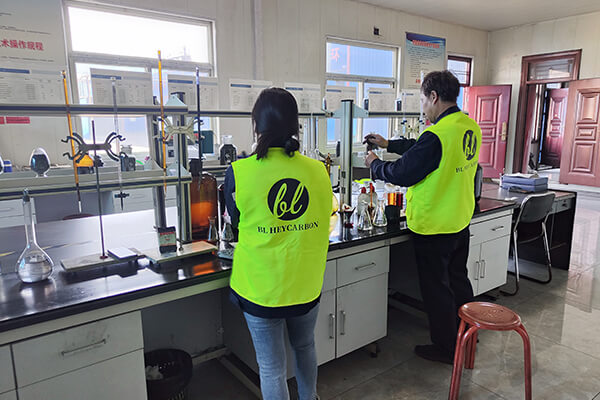
To further determine the cause of the pink color, Heycarbons asked the customer to send samples of the activated carbon they had previously used and conducted multiple sets of parallel and comparative tests in the Heycarbons laboratory.
Testing by the Heycarbons Independent Laboratory
By comparing the original activated carbon, the Heycarbons samples, and the color changes in methanol under various treatment conditions, the experimental results indicated that:
Acidic leachable substances present in the client’s original activated carbon were a significant factor contributing to the abnormal coloration.
Acidic leachable substances catalyze acid-promoted condensation or polymerization reactions involving carbonyl compounds—such as aldehydes and ketones—present in the methanol, leading to the formation of new conjugated chromophores and a distinct pink discoloration.
Choose Heycarbons Activated Carbon for Methanol Decolorization
In contrast, the powdered activated carbon supplied by Heycarbons (pH 4-7) possesses surface chemical properties better suited to this methanol system and contains lower levels of acidic leachable substances. It effectively adsorbs existing color-causing impurities without triggering significant new color-forming reactions, thereby restoring the methanol to a clear, colorless state.
This case study demonstrates that when selecting activated carbon for methanol decolorization, one should not focus solely on iodine value or methylene blue value. Factors such as pH, acid-soluble matter, ash content, metal ions, pore structure, and the compatibility of the activated carbon with the specific methanol system can all directly impact the final decolorization performance.
Since methanol sources vary and the substances causing discoloration are not uniform contaminants, a same type of activated carbon is not necessarily suitable for all methanol decolorization. Before placing bulk orders, it is crucial to conduct targeted small-scale trials and comparative tests.
Heycarbons offers customized activated carbon solutions and provides free samples for testing.
Inquiries are welcome!
Custom Heycarbons Activated Carbon Solutions for Methanol Purification
Heycarbons provides a full range of activated solutions at competitive prices.
What Clients Say on Our Activated Carbon
Customize Heycarbons Activated Carbon Adsorption for Methanol Purification and Decolorization
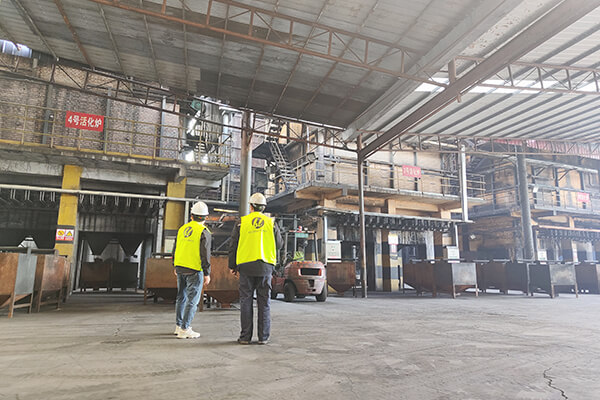
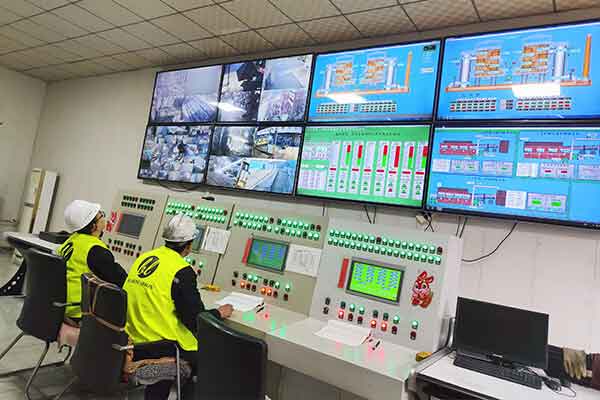
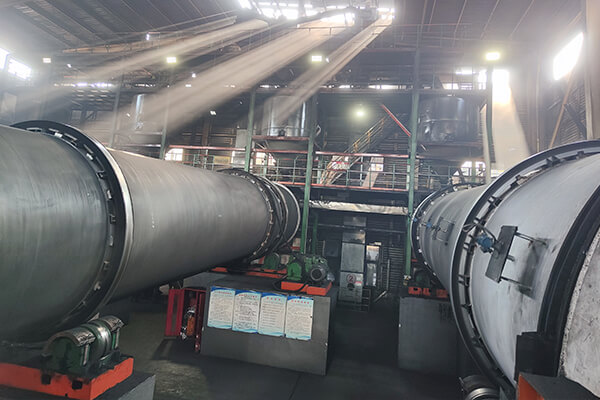
Heycarbons has proudly served the activated charcoal industry with high-quality products since 2005, Heycarbons can customize your wood activated carbon for your methanol purification and decolorization project.
- Customized size, iodine value, methylene blue, molasses value, PH, ash, specific surface area, etc.
- Cost-effective solutions customized according to customer applications.
- Heycarbons customized package to promote your brand, and free design service.
- Each batch of activated carbon undergoes multiple mixing tests to ensure quality. It also supports any form of third-party testing for customers.
Steps to Custom Activated Carbon For Methanol Decolorization
Consultation
By understanding your needs and requirements, our salesmen work with you to submit the appropriate activated carbon solution.
Quotation
Heycarbons expert customer service will provide you with a free quote based on your requirements as well as product specifications and quantities.
Production
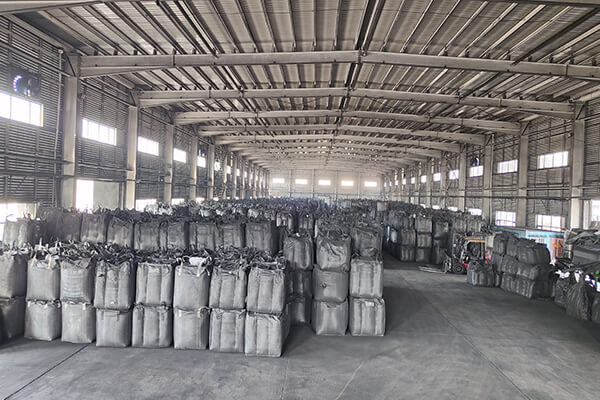
Heycarbons has sufficient inventory and strong production capacity, and will report production progress to you from time to time.
Shipping
Heycarbons know you need to receive the product as soon as possible, after rigorous quality checks and protective packaging, by fedex shipping.

Are You Looking for Activated Carbon for Methanol Purification and Decolorization?
Contact us for design assistance, free quote, and expert advice today.
Your inquiry will be replied within 24 working hours, and we respect your privacy.