
Activated Carbon for Decaffeination
For many, a good day begins with a cup of coffee.
However, high doses of caffeine are not suitable for everyone. For caffeine-sensitive individuals, pregnant women, and consumers looking to reduce their caffeine intake, decaffeinated or low-caffeine coffee is becoming an increasingly popular choice.
Developments in decaffeination technology have enabled coffee to retain its flavor while reducing its caffeine content. Activated charcoal, with its excellent adsorption properties, plays a crucial role in various decaffeination processes.
In this article, we will introduce activated carbon products used for decaffeination, the role of activated carbon in different decaffeination methods, and the properties of activated carbon.
Heycarbons Activated Carbon for Decaffeination Product
HEYSORBCARB®-HEYACCGAC acid-washed coconut shell activated carbon features a well-developed microporous structure, low ash content, and high mechanical strength, making it particularly suitable for caffeine removal processes.
Activated carbon has a large number of micropores on its surface, which can physically adsorb caffeine molecules through weak intermolecular interactions (van der Waals forces).
While efficiently removing caffeine, it minimizes the impact of other impurities on the food system, achieving a highly efficient, stable, and safe decaffeination effect. Its typical technical parameters are as follows:
Heycarbons Acid-washed Coconut Shell Granular Activated Carbon for Decaffeination
HEYSORBCARB®-HEYACCGAC: This is an acid-washed coconut shell granular activated carbon from Heycarbons. After acid washing, it has extremely low metal content and is suitable for food contact.

| HEYSORBCARB®-HEYACCGAC | Specification |
|---|---|
| Iodine value | 1000-1500 mg/g |
| Ash | ≤0.5-1, 1-2% |
| Size | 8-30, 12-40 mesh |
| pH | 6.5-8 .5 |
| Moisture | ≤5% |
| Methylene blue | ≤120-225 mg/g |
Acid-washed Coconut Shell Activated Carbon for Decaffeination Features
- Well-developed micropores, strong adsorption capacity
- Low ash content, less likely to contaminate food systems
- High mechanical strength, not easily crushed, low wear rate
- High regeneration capacity
HEYSORBCARB®-HEYACCGAC activated carbon, backed by extensive technical application experience and professional, efficient technical support, provides precise product selection, application optimization, and technical guidance for your decaffeination projects.
With practical professional advice and rapid delivery capabilities, Heycarbons helps your projects get off to a fast start, achieving efficient and stable decaffeinated coffee production.
How is Activated Carbon Used in the Decaffeination Process?
Common decaffeination methods include supercritical CO2 extraction, chemical solvent extraction, and the Swiss water process. Among these, supercritical CO2 extraction and the Swiss water process both require activated carbon.
However, the role of activated carbon differs in different processes.
The following will provide you with a detailed introduction to the process flow of different decaffeination methods and the specific role of activated carbon in them.
1. Supercritical CO2 Decaffeination Process
Supercritical CO2 decaffeination is generally considered one of the best methods for preserving the original flavor of coffee beans.
Moistening the green coffee beans with steam first makes it easier for caffeine to migrate.
In a controlled operating environment (specific conditions as follows), CO2 selectively extracts caffeine:
- Temperature: Above 31°C
- Pressure: Above 73 bar
- Actual industrial operation: 200~300 bar
The caffeine-rich CO2 is then separated from the coffee beans. The caffeine is then filtered out through an activated carbon bed or water container, and the resulting CO2 can be recycled for use in the supercritical CO2 system.
The role of activated carbon differs in these two filtration methods, and the choice can be made based on customer needs:
Activated carbon adsorbs caffeine
When caffeine-containing CO2 flows through an activated carbon bed (acid-washed coconut shell granular activated carbon), the activated carbon captures and adsorbs the caffeine from the CO₂ stream, and the CO2 is recovered and recycled.
The activated carbon can be replaced periodically or thermally regenerated.
Water washing separation
When caffeinated CO2 comes into contact with water, it naturally migrates into the aqueous phase because caffeine has a lower free energy in water.
Furthermore, many flavor precursors in coffee, such as lipids, aromatic oils, and waxes, are larger and less polar molecules, making them less likely to enter the aqueous phase after dissolving in CO2. Therefore, water primarily carries away the caffeine, leaving a large amount of flavor compounds in the CO2 circulation system and preventing them from being washed away. The caffeine solution is then treated with activated carbon.
2. Swiss Water Process
The water method, also known as the Swiss water process, extracts caffeine using only water and activated carbon.
Specifically, coffee beans are steeped in hot water. During steeping, the caffeine concentration in the coffee beans is higher than the caffeine concentration in the water, so caffeine and flavor compounds are transferred from the coffee beans to the water. This process is repeated several times until almost no caffeine remains in the coffee beans.
The circulating water is then purified. Water containing caffeine and flavor compounds passes through an activated carbon filter. The pore size of the coconut shell charcoal matches the size of caffeine molecules, enhancing selective adsorption of caffeine. This allows smaller flavor molecules to pass through. Furthermore, the low mesopore size reduces non-selective adsorption of larger flavor and pigment substances.
The filtered water can then be reused for steeping coffee beans.
Also Available: Acid-Washed Coal Granular Activated Carbon
In the Swiss water-based decaffeine system, in addition to acid-washed coconut shell activated carbon, acid-washed coal-based activated carbon can also be used.
Although caffeine is a small molecule, it diffuses slowly in the liquid phase. This is precisely where a certain amount of mesopores is needed to aid mass transfer.
Compared to coconut shell activated carbon, coal-based activated carbon has more mesopores and a lower price. It is more suitable for customers who are sensitive to project costs.
HEYSORBCARB®-HEYAGAC is an acid-washed coal-based granular activated carbon specifically designed for use in coffee solutions. Its specifications are as follows:
Heycarbons Acid-washed Coal Granular Activated Carbon for Caffeine Removal
| HEYSORBCARB®-HEYAGAC | Specification |
|---|---|
| Iodine value | 950-1100 mg/g |
| Methylene blue | 180-250 mg/g |
| Ash | ≤3%, ≤5%, ≤8% |
| pH | 6.5-8.5 |
Choose the appropriate type of activated carbon based on customer needs and decaffeination methods. Click below to contact Heycarbons now!
Custom Heycarbons Activated Carbon for Decaffeination
Heycarbons provides professional activated carbon solutions at competitive prices.
Custom Premium Activated Carbon for Decaffeination from China
Heycarbons has been committed to providing high-quality activated carbon for lithium battery since 2005. Heycarbons can customize activated carbon solutions for your project.
- Customized size, iodine value, ash, methylene blue, moisture, specific surface area, etc.
- Heycarbons customized package to promote your brand, and free design service.
- Each batch of activated carbon undergoes multiple mixing tests to ensure quality. It also supports any form of third-party testing for customers.
Call Us
+86-180 3788 5195
Our Email
info@heycarbons.com
Reliable carbon from China, with confidence — Choose Heycarbons
Steps to Custom Heycarbons Activated Carbon for Caffeine Removal
Consultation
By understanding your needs and requirements, our salesmen work with you to submit the appropriate activated carbon solution.
Quotation
Heycarbons expert customer service will provide you with a free quote based on your requirements as well as product specifications and quantities.
Production
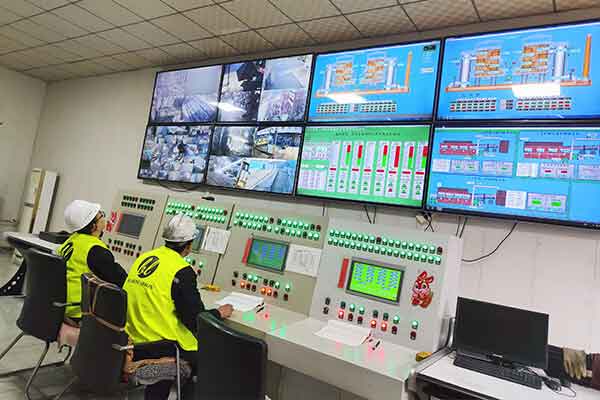
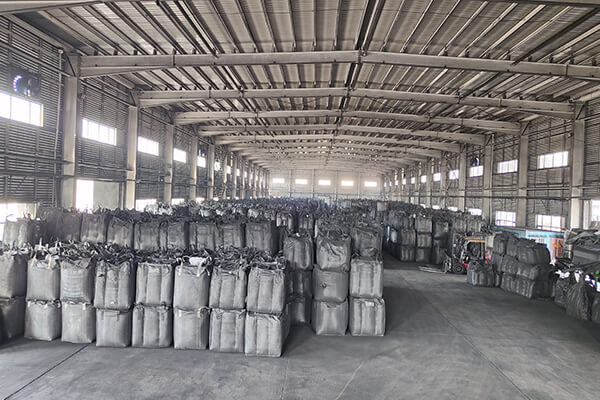
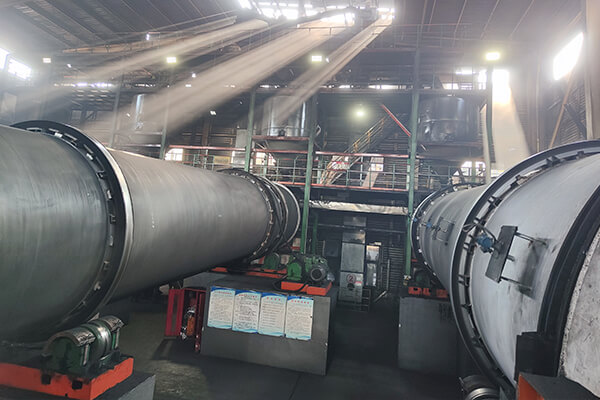
Heycarbons has sufficient inventory and strong production capacity, and will report production progress to you from time to time.
Shipping
Heycarbons know you need to receive the product as soon as possible, after rigorous quality checks and protective packaging, by fedex shipping.
Are You Looking for Activated Carbon Supplier for Decaffeination?
Contact us for design assistance, free quote, and expert advice today.
Your inquiry will be replied within 24 working hours, and Heycarbons respect your privacy.