Activated Carbon For Plant Extracts Decolorization Heycarbons Manufacturer From China
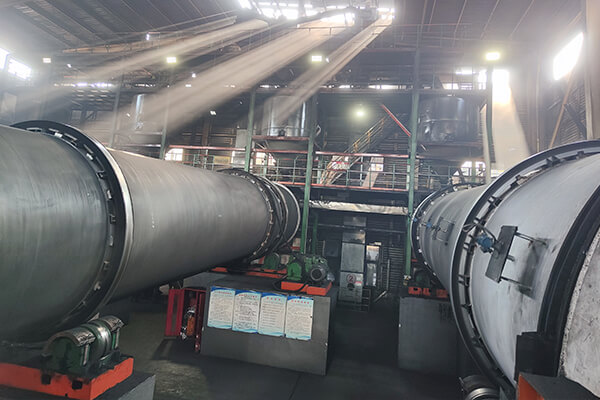
- Over 20 years experience in activated carbon manufacturing for plant extracts decolorization.
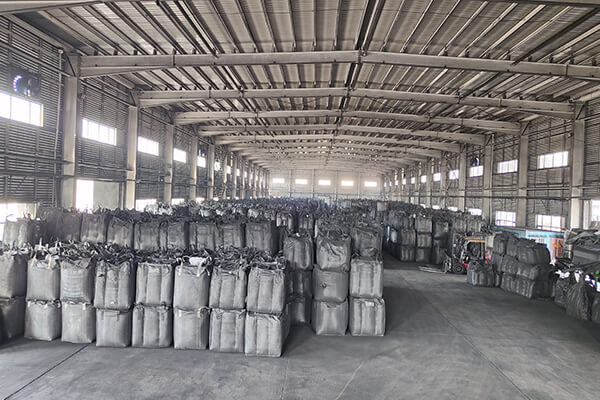
- Annual output 18000 tons
- 16pcs Production Patents.
- Multiple micropores and mesopores, suitable for adsorbing pigment molecules.
- High methylene blue value: 210 mg/g min.
Table of Contents
What Type of Charcoal is Good for Plants Extracts Decolorization?
Activated Carbon For Plant Extract Decolorization Customer Case
A customer wanted to use activated carbon to decolorize a plant extract from brown to brown, but they wanted to avoid removing flavonoids and saponins from the extract. To meet this requirement, Heycarbons recommended Heycarbsorb-WPAC, a wood powder activated carbon produced using a phosphoric acid method with a high methylene blue value.
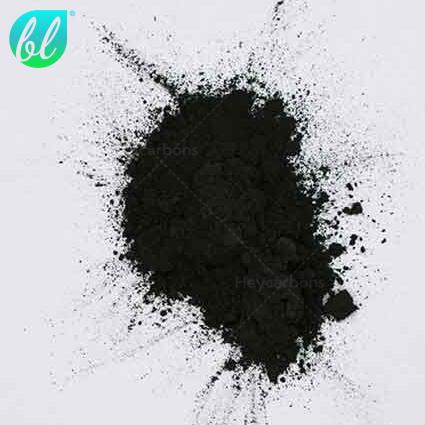
Heycarbsorb-WPAC Wood Powdered Activated Carbon For Plant Extract Decolorization
Heycarbsorb-WPAC type actvated carbon, a high-performance wood powder activated carbon prepared by phosphoric acid chemical method, is suitable for decolorizing plant extracts.
- Particle size (200 mesh, 0.75 μm) 90% min.
- Methylene blue value 210 mg/g min.(The maximum concentration can reach 300 mg/g min.)
- Moisture content 10% max.
- pH 2-5
- Ash 6.5% max.
- Packing density 300-350 kg/m³
Can be customized according to customer requirements.
What is Activated Carbon Used for in Plants Extracts?

Activated Carbon for Plant Extracts Decolorization Principle
The phosphoric acid chemical method allows for more effective control of the activated carbon’s pore structure. By adjusting process parameters such as phosphoric acid concentration, impregnation ratio, and carbonization temperature, a more precise pore size distribution and a richer microporous structure can be achieved. This makes wood powder activated carbon produced by the phosphoric acid chemical method well-suited for liquid-phase applications.
Physical Adsorption
Activated carbon, driven by van der Waals forces, can be used to decolorize plant extracts. Due to its vast surface area, the accumulation of billions of sites creates a powerful overall adsorption force.
Colored substances in plant extracts, such as chlorophyll, carotenoids, lutein, anthocyanins, polyphenol polymers (oxidation products of tannins), and melanoidins (Maillard reaction products), are typically large in molecular weight and contain conjugated double bonds or benzene ring structures, making them easily adsorbed by the hydrophobic surface of activated carbon.
Chemical Adsorption and Surface Chemistry
Surface Functional Groups
Activation with phosphoric acid imparts specific surface chemical properties to activated carbon, greatly enhancing its decolorization performance.
Mechanism of Action
- Hydrogen Bonding: Oxygen-containing functional groups on the activated carbon surface can form hydrogen bonds with -OH and -NH₂ groups in pigment molecules, a form of specific adsorption that is stronger than van der Waals forces.
- Electrostatic Effect: At certain pH values, pigment molecules and the activated carbon surface may carry different charges, resulting in electrostatic attraction.
- Catalytic Effect: Some acidic functional groups on the surface can also catalyze the decomposition of certain colored substances, converting them into colorless or more easily adsorbed small molecules.
Unique Advantages of Phosphoric Acid-Activated Carbon (Compared to Other Methods)
Developed Mesopores
A notable feature of phosphoric acid activation is its ability to create numerous mesopores (2-50 nm).
Plant pigment molecules are typically large, and the mesoporous structure provides them with a tailor-made adsorption space, allowing them to smoothly enter the pores and be captured.
In contrast, steam-activated activated carbon may have numerous micropores but insufficient mesopores, resulting in lower decolorization efficiency for larger pigment molecules.
Moderate Surface Polarity
The surface of phosphoric acid-activated carbon has both graphitized hydrophobic regions (which adsorb hydrophobic pigments through van der Waals forces) and abundant polar functional groups (which adsorb polar pigments through hydrogen bonding, etc.), resulting in excellent broad-spectrum adsorption for a wide range of pigment types.
Low Ash Content
Compared to chemical methods such as the zinc chloride method, phosphoric acid-activated carbon typically has a lower ash content, which means fewer impurities such as metal ions are introduced, better ensuring the purity of plant extracts.
Activated Carbon For Plant Extracts Decolorization Process Flow
Wood Powdered Activated Carbon for Decolorization of Plant Extracts Process Flow
1. Pretreatment
- Extract Filtration: First, coarsely filter the plant extract using plate and frame filtration, centrifugation, or diatomaceous earth filtration to remove most insoluble suspended particles and prevent clogging of the activated carbon pores.
- pH and Temperature Adjustment: Adjust the pH and temperature of the extract according to process requirements. Appropriate heating (e.g., 60-80°C) can reduce liquid viscosity and increase molecular mobility, thereby enhancing the decolorization effect.
2. Activated Carbon Decolorization Operation
- Dosing: Slowly and evenly add the measured amount of powdered activated carbon to the stirring plant extract to prevent clumping.
- Stirring Adsorption: Under suitable temperature and pH, the activated carbon’s large surface area and pores provide ample contact with the pigment molecules in the extract. Driven by the concentration difference (driving force), the pigment molecules diffuse from the bulk of the liquid to the surface of the activated carbon particles, and then into the pores, where they are fixed by physical and chemical forces.
3. Separation and Post-Processing
- Filtration: Because powdered activated carbon is extremely fine, precise filtration using a plate and frame filter, vacuum drum filter, or filter aids such as diatomaceous earth is required to completely separate the water-insoluble activated carbon powder that has adsorbed pigments from the clarified extract.
- Washing: To minimize product adsorption losses, the filter cake is sometimes washed with a small amount of hot water or dilute alcohol to recover some of the adsorbed active ingredients.
4. Obtaining the Product
- The filtrate is the decolorized, lighter or nearly colorless plant extract.
Precautions for Decolorization of Plant Extracts with Activated Carbon

1. Conduct Decolorization Tests
Before launching large-scale production, a small sample test (beaker test) must be conducted. These tests determine the optimal activated carbon type, dosage, pH, temperature, and time, and evaluate the impact on the content of the main active ingredients.
2. The “Alcohol Precipitation Before Decolorization” Principle
If the process includes both alcohol precipitation and decolorization, it is generally recommended to perform alcohol precipitation first to remove large molecular impurities such as starch and protein, followed by decolorization.
Because alcohol precipitation reduces liquid impurities, it reduces ineffective adsorption by the activated carbon, improves decolorization efficiency, and minimizes loss of active ingredients.
3. Control Dosage and Time
More dosage and longer adsorption times are not necessarily better. Excessive or prolonged adsorption can lead to significant loss of active ingredients. An equilibrium adsorption point should be found.
4. Safety and Environmental Protection
Used activated carbon is considered solid waste and should be handled in accordance with environmental protection requirements.
Advantages and Disadvantages of Activated Carbon For Plant Extracts
What is activated carbon mostly used for?
Advantages
- High decolorization efficiency: Effective for removing dark pigments.
- Simultaneous impurity removal: While decolorizing, it also adsorbs some colloids, odors, and residual pesticides, contributing to purification.
- Widely available raw materials, relatively low cost.
- Simple operation.
What are the disadvantages of activated carbon?
Disadvantages and Challenges
- Poor selectivity and loss of active ingredients: This is the biggest disadvantage. Activated carbon adsorbs pigments as well as other active ingredients such as flavonoids, glycosides, and polyphenols, resulting in reduced product yield.
- Difficult filtration: Separating powdered activated carbon is a time-consuming and labor-intensive process.
- Potential introduction of metal ions: Some activated carbon products may contain trace metal impurities, which can be detrimental to metal-sensitive products (such as antibiotics and certain enzymes).
Alternative or Complementary Solutions To Activated Carbon For Decolorization of Plant Extracts
Alternative or Complementary Solutions
Due to the non-selective adsorption limitations of activated carbon, modern plant extraction techniques often use other methods as supplements or alternatives.
Macroporous adsorption resins
Selectively adsorb through pore size screening and surface adsorption (van der Waals forces, hydrogen bonding).
High selectivity allows for targeted retention of flavonoids and saponins; the process is mature and easily scalable; the resin is regenerable; however, initial screening and process optimization are required; and the investment cost is relatively high.
Membrane separation technology
Physical separation based on molecular size and membrane pore size.
Mild conditions and no introduction of foreign matter; effectively removes large pigments and colloids while protecting small active ingredients such as flavonoids and saponins; however, the separation effect on active ingredients similar in size to small pigments is limited; membrane contamination may occur and require cleaning.
Ion exchange resins
Adsorb molecules with opposite charges through ionic bonding.
Excellent decolorization of ionic pigments (such as phenolic pigments) and desalination capabilities; however, the effectiveness depends on the pH and ionic environment of the extract and may affect the ionic balance of the system.
Recommendations for Method Selection and Optimization
With these options, selection and optimization are crucial:
1. Establish goals and conduct pilot trials
Before committing to large-scale production, pilot trials are essential. Compare the decolorization efficiency and flavonoid and saponin retention rates of different methods through pilot trials to identify the best solution for your specific extract.
2. Consider combined processes
Generally, “membrane filtration → resin purification” is an efficient and environmentally friendly process. For example, ultrafiltration can be used to remove most large molecular impurities and pigments, followed by fine purification using a macroporous adsorption resin. This reduces the burden on the resin and improves overall efficiency.
Research often combines macroporous resins of different properties (such as AB-8 and D-280), or combines macroporous adsorption resins with ion exchange resins to achieve optimal decolorization and purification.
3. Optimize key parameters
Regardless of the method chosen, systematic optimization of key parameters such as sample concentration, pH, temperature, flow rate (for column chromatography), and eluent is essential. For example, studies have shown that the optimal pH value for purifying Panax notoginseng flavonoids using AB-8 resin is 4, while the optimal pH for purifying soybean saponins using cation exchange resin is 6.0.
Custom Heycarbons Activated Carbon For Plant Extracts Decolorization Solution
Heycarbons provides a full range of activated solutions at competitive prices.
What Clients Say on Our Activated Carbon
Customize Heycarbons Activated Carbon For Plant Extracts Decolorization
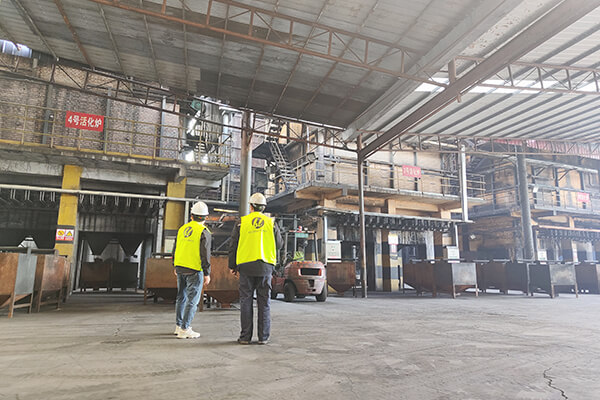
Heycarbons has proudly served the activated charcoal industry with high-quality products since 2005, Heycarbons can customize your wood powdered activated charcoal for your plant extracts decolorization project.
- Customize different raw materials according to different applications.
- Customized size, iodine value, methylene blue, PH, ash, etc.
- Cost-effective solutions customized according to customer applications.
- China leading and professional supplier of activated carbon.
- Well-known in the activated carbon market for plant extracts decolorization.
Steps to Custom Heycarbons Activated Carbon For Plant Extracts Decolorization
Consultation
By understanding your needs and requirements, our salesmen work with you to submit the appropriate activated carbon solution.
Quotation
Heycarbons expert customer service will provide you with a free quote based on your requirements as well as product specifications and quantities.
Production
Heycarbons has sufficient inventory and strong production capacity, and will report production progress to you from time to time.
Shipping
Heycarbons know you need to receive the product as soon as possible, after rigorous quality checks and protective packaging, by fedex shipping.


Are You Looking for Activated Carbon For Plant Extracts Decolorization Manufacturers?
Contact us for design assistance, free quote, and expert advice today.
Your inquiry will be replied within 24 working hours, and we respect your privacy.