Activated Carbon For Diesel Fuel Decolorization Purification Desulfurization Heycarbons Manufacturer From China
Activated carbon can absorb the pigments and other impurities in diesel to achieve the purpose of diesel decolorization and purification. In this article, you will learn about activated carbon for diesel fuel decolorization purification desulfurization: adsorption principle, treatment process, customer cases, product and application.
Activated Carbon For Diesel Fuel Decolorization
Diesel Fuel
Abnormal color in diesel fuel usually comes from oxidation products (such as gums, asphaltene), unsaturated hydrocarbons, sulfur/nitrogen compounds, or impurities mixed in during storage (such as rust, sludge).
These colors not only affect the appearance, but may also affect the combustion performance and stability of diesel. Therefore, it is necessary to decolorize diesel.

Activated Carbon For Diesel Fuel Adsorption Principle
Activated carbon is an efficient and commonly used adsorbent in diesel decolorization. Activated carbon has a large specific surface area, rich pore structure and strong adsorption capacity. It mainly removes impurities such as pigments, colloids, sulfides, oxides, etc. in diesel through physical adsorption, thereby improving the color and purity of the oil, changing diesel fuel from dark yellow/brown to light yellow.
Activated Carbon Diesel Fuel Decolorization Process
The process of using activated carbon for diesel decolorization includes diesel pretreatment, activated carbon adsorption, filtration and purification, activated carbon regeneration, etc.
(1) Pretreatment of diesel fuel
Filtration: First remove suspended particles, water or macromolecular impurities in diesel through mechanical filtration (such as filter, centrifugation) to prevent clogging of activated carbon pores.
Adjust pH: If diesel is strongly acidic or alkaline, it needs to be neutralized to neutral (pH 6-8) to avoid affecting the adsorption performance of activated carbon.
(2) Activated carbon adsorption process
Selection of activated carbon
- There are Heycarbons coal-based granular and wood-based powdered activated carbon for diesel treatment for your choice.
| HEYSORBCARB®-HEYGAC | HEYSORBCARB®-HEYWPAC | |
|---|---|---|
| Project | Coal granular activated carbon | Wood powdered activated carbon |
| Iodine value | 800-1000 mg/g | 800-1050 mg/g |
| pH | 9-11 | 5-8 |
| CTC | 40-60% | / |
| Ash content | ≤15% | ≤7% |
| Methylene blue | / | 14, 16, 18 ml/0.1g |
| Bulk density | / | 0.35-0.45 g/cm³ |
Contact method
- Fixed bed adsorption: Diesel passes through an adsorption tower filled with activated carbon (usually multiple towers are connected in series or in parallel), and the flow rate is controlled at 2-10 BV/h (bed volume/hour).
- Stirring adsorption: Powdered activated carbon (200, 325 mesh) is directly added to diesel and stirred (30-60 minutes), and then separated by filtration.
- Temperature control: Maintain 20-40℃ (too high temperature reduces adsorption efficiency, too low temperature increases viscosity).
(3) Post-treatment
Separation of activated carbon: Use precision filters (such as bag filters, filter presses) to separate carbon powder to ensure that there is no carbon residue.
Deep purification: If necessary, combine oxidation, ion exchange and other processes to further treat residual pollutants.
(4) Regeneration of activated carbon
Thermal regeneration: Desorb pollutants from saturated activated carbon in an inert atmosphere at high temperature (350-600℃) to restore 60%-80% of the adsorption capacity.
Steam regeneration: Pass water vapor to desorb light hydrocarbons (applicable to low boiling point pollutants).
Factors affecting the adsorption of diesel by activated carbon
Activated carbon parameters, pollutant type, contact time, and initial diesel concentration will all affect the adsorption effect of activated carbon.
1. Activated carbon properties: Activated carbon with iodine value ≥ 800 mg/g and carbon tetrachloride adsorption rate CTC ≥ 60% has better effect.
2. Pollutant type
- Sulfide: Nitrogen-modified activated carbon should be selected (to enhance the adsorption of thiophene sulfides).
- Aromatic hydrocarbons/pigments: Activated carbon with developed mesopores is more effective.
3. Contact time: It usually takes 20-60 minutes to reach adsorption equilibrium.
4. Initial diesel concentration: High concentration requires increasing the amount of activated carbon or extending the contact time.
Activated Carbon Diesel Decolorization Customer Case
1. A customer needs to use activated carbon for diesel desulfurization, reducing the sulfur content from 5000ppm to 1000ppm, 3 viscosity standard liquid.
Usually in this case, anthracite pelletized activated carbon is recommended first, followed by non-impregnated crushed granular activated carbon, which needs fine filtration in the later stage, with an iodine value of 850-900 mg/g.
Crushed granular carbon has a higher decolorization efficiency (95%), but is not as good as pelletized activated carbon in terms of deashing and strength.
2. Diesel desulfurization can use impregnated pelletized activated carbon with a diameter of 3mm and CTC 55. If there is no need to remove nitrogen, KOH chemical solution can be impregnated onto activated carbon.
Coal Activated Carbon
Activated Carbon Diesel Decolorization Application Scenarios
Oil Refinery: Fill activated carbon in a fixed reactor to achieve diesel desulfurization and decolorization (recycle activated carbon).
Recycling oil plants: Recycled diesel such as waste engine oil and ship residual oil contains asphaltene, metal ions (such as Fe, Cu) and coke particles, and is dark black in color. Recycling oil plants can use coconut shell activated carbon with an iodine value of ≥1000 mg/g for diesel regeneration.
Terminal filtration system: Install activated carbon filters in gas stations or engine fuel supply systems, fill with powdered activated carbon, intercept colloids and particles, and protect automobile engines.
Custom Heycarbons Activated Carbon Solution For Diesel Fuel Decolorization
Heycarbons provides a full range of activated carbon solutions at competitive prices.
What Clients Say on Our Activated Carbon
Customize Heycarbons Activated Carbon For Diesel decolorization
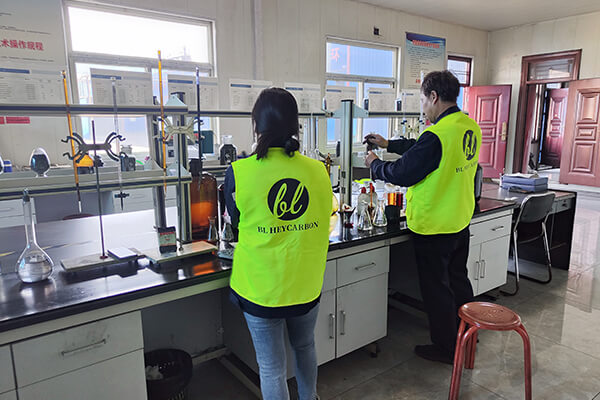
Heycarbons has proudly served the activated charcoal industry with high-quality products since 2005, Heycarbons can customize your wood activated charcoal for your project.
- Customize different raw materials according to different applications.
- Customized size, iodine value , methylene blue, molasses value, PH, ash, etc.
- Cost-effective solutions customized according to customer applications.
- China leading and professional supplier of activated carbon.
Steps to Custom Activated Carbon For Diesel Fuel Decolorization
Consultation
By understanding your needs and requirements, our salesmen work with you to submit the appropriate activated carbon solution.
Quotation
Heycarbons expert customer service will provide you with a free quote based on your requirements as well as product specifications and quantities.
Production
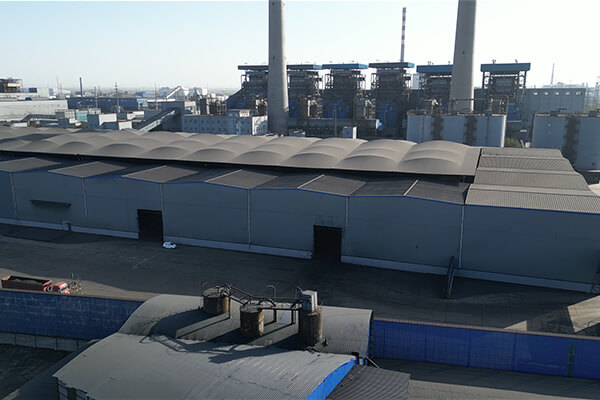
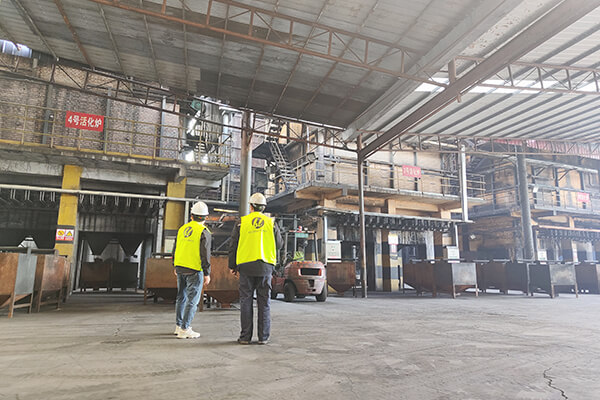
Heycarbons has sufficient inventory and strong production capacity, and will report production progress to you from time to time.
Shipping
Heycarbons know you need to receive the product as soon as possible, after rigorous quality checks and protective packaging, by fedex shipping.




Are You Looking for Activated Carbon For Diesel Fuel Decolorization?
Contact us for design assistance, free quote, and expert advice today.
Your inquiry will be replied within 24 working hours, and we respect your privacy.