Heycarbons Activated Carbon For DEHP Removal China Manufacturer
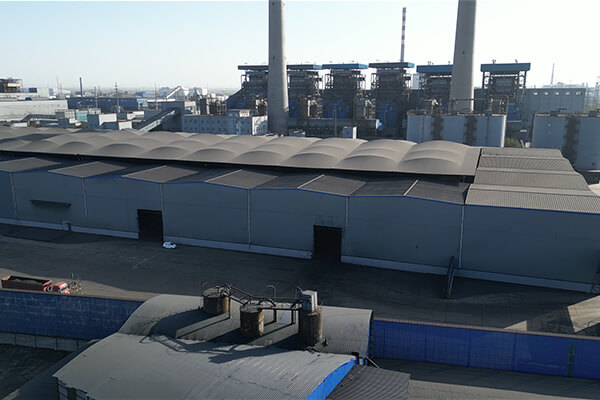
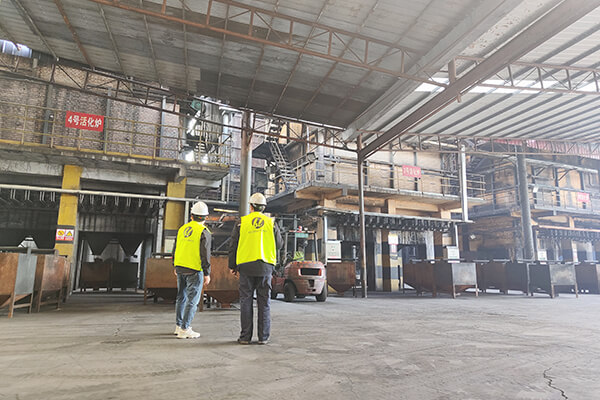
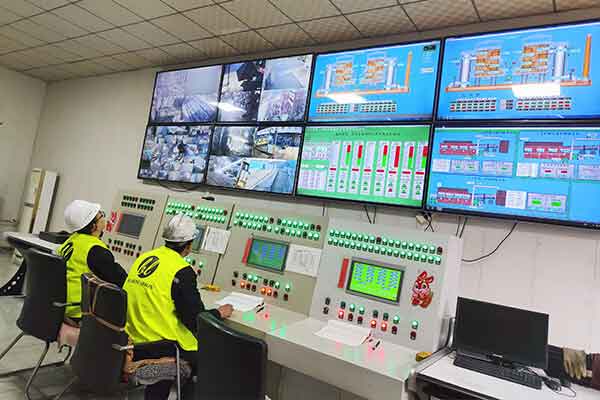
- Over 20 years of industry experience in activated carbon manufacturing for DEHP removal.
- Annual output 18000 tons
- 16pcs Production Patents.
- Popular in the activated carbon market.
What is DEHP and what are its hazards?
DEHP (Di(2-ethylhexyl) phthalate), also called DOP, is a very common phthalate compound. It’s a colorless to pale yellow liquid. DEHP is primarily used as a plasticizer in plastic and rubber products.
DEHP Main Use
In the plastics industry, particularly in polyvinyl chloride (PVC) products, DOP is added in large quantities to increase plastic’s flexibility, ductility, and durability. Many soft plastics you encounter in daily life may contain DOP, such as: Food packaging film, Toys, Medical plastic tubing and blood bags, Floor coverings and wallpaper, Artificial leather, Wire and cable sheathing.

Health and Environmental Risks
DEHP is an endocrine-disrupting chemical (EDC) that can leach from plastics into the environment over time and affect drinking water. Long-term or high-dose exposure may cause damage to the liver, kidneys, and reproductive system, particularly posing potential risks to children’s development. Therefore, the use of DEHP in many products is strictly restricted.
Principles of Activated Carbon Removing DEHP
Activated carbon is a highly effective and commonly used technology for removing DEHP, both in water treatment and air purification.
Principles of Activated Carbon Removing DEHP
• Physical adsorption: Activated carbon is a material with an extremely large surface area and a highly developed pore structure. One gram of high-quality activated carbon has a surface area equivalent to that of a football field. This provides numerous “sites” for adsorption of pollutants.
• Surface chemical properties: Activated carbon’s surface is rich in functional groups (such as hydroxyl and carboxyl groups). These groups interact with DEHP macromolecules through van der Waals forces and π-π interactions, firmly adsorbing them within its pores.
Heycarbons Activated Carbon Types For DEHP Removal
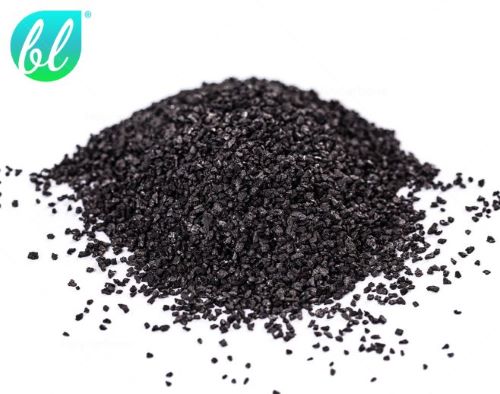
Coal Granular Activated Carbon For DEHP (DOP) Removal
Heycarbsorb-HEYGAC coal granular activated carbon is suitable for adsorbing liquid macromolecules such as DEHP.
Coal-based activated carbon is a popular choice in water and sewage treatment due to its high efficiency and relatively low cost.
- Size: Mesh 4*8, 8*30, 8*16, 12*40, 30*60, 80*150
- Iodine value: Mg/g 500-1050
- Specific surface area m2/g :500-1050
- Hardness %:90-99
- Bulk density g/cm3 0.45-0.55
- Ash %: 6-8%, 8-12%, 12-15%
- Moisture % : 5 max
Wood Powdered Activated Carbon For DEHP (DOP) Removal
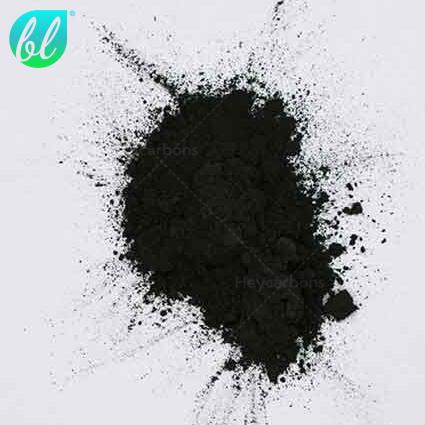
Heycarbsorb-HEYWPAC is a wood powdered activated carbon that can remove DEHP.
Wood powder activated carbon is made from high-quality natural sawdust. Using advanced equipment and scientific processes, it undergoes a series of refinement steps, including sawdust screening, phosphoric acid mixing, high-temperature carbonization and activation, and rinsing.
This product features a large surface area, strong adsorption capacity, and fast filtration speed. Heycarbons provides the following reference specifications:
- Size: 100, 200, 325 mesh
- Iodine value: 800-1050 mg/g
- Methylene blue: 140-320 mg/g
- Caramel : 100-150%
- Bulk density: 0.35-0.45 g/cm3
- Ash: 4-7%
- PH: 3-5, 5-7 (Neutral or weakly acidic conditions are more conducive to the adsorption of DEHP by activated carbon.)
We can also customize activated carbon parameters according to your specific requirements.
How does Activated Carbon Remove DEHP?
Activated Carbon Treatment Process For DEHP Removal
Taking powdered activated carbon to remove DEHP from water as an example, we will show you the specific treatment process for your reference.
Addition of activated carbon
1. Slurry Preparation:
- Wet dosing is mandatory. PAC dry powder should be mixed with clean water in an activation tank to a uniform slurry concentration of approximately 5%-10%.
- Continuous mechanical agitation should be applied to prevent precipitation and clogging of the pipes. This step serves to “awaken” the activated carbon, fully moistening its pores and preparing it for adsorption.
2. Dosing Point Selection:
Select the front end of the coagulation or flocculation tank for dosing of the powdered activated carbon to allow sufficient contact time between the PAC and DEHP (at least 20 minutes).
Activated Carbon Separation and Disposal
1. Separation:
After adsorption is complete, the DEHP-loaded powdered activated carbon is completely separated from the water through sedimentation and filtration (e.g., sand filtration). The effluent water quality must be monitored for DEHP concentration to ensure compliance.
2. Disposal:
Saturated PAC is considered a hazardous waste. It contains high concentrations of DEHP and must be disposed of safely in landfills or high-temperature incineration in strict accordance with hazardous waste regulations to prevent secondary contamination.
Applications of Activated Carbon for DEHP Removal
In Drinking Water Treatment
In drinking water treatment, activated carbon is primarily used in two stages: pretreatment and advanced treatment. The goal is to ensure that DEHP concentrations in effluent water remain below regulatory limits (for example, China’s maximum residual DEHP content in food is 1.5 mg/kg, a standard that also serves as a reference for drinking water screening).
Wood-based powdered activated carbon is used for pretreatment of drinking water. It is primarily used to address sudden DEHP contamination incidents in water sources as an emergency response measure. When DEHP levels in raw water exceed the standard by 10-30 times, appropriate addition of powdered activated carbon can bring the effluent back into compliance.
Coal-based granular activated carbon is used for advanced treatment. As the final step in conventional water treatment processes, coal-based granular activated carbon has a stable DEHP removal rate, ensuring effluent concentrations meet regulatory limits. It also effectively removes other phthalates, such as DBP.
Industrial Wastewater Treatment
DEHP concentrations in industrial wastewater (such as plastics, chemical industry wastewater, or landfill leachate) are typically much higher than in drinking water, and the composition is more complex.
Key Influencing Factors and Optimization
- Activated Carbon Dosage: Studies have shown that increasing the activated carbon dosage from 0.1g to 0.5g in landfill leachate treatment increases DEHP adsorption efficiency from 44% to 87%.
- pH Control: Acidic conditions (pH ≈ 5.0) are most favorable for activated carbon adsorption of DEHP. In actual projects, pH adjustment of the wastewater may be necessary to optimize treatment efficiency.
- Reaction Time: Sufficient contact time is critical for achieving optimal adsorption. Ideal adsorption equilibrium is typically achieved after 30 to 150 minutes.
High-Efficiency Combination Technology
For high-concentration, difficult-to-degrade DEHP-containing industrial wastewater, the combined “microwave + Fenton’s reagent + activated carbon” process significantly improves treatment efficiency.
The Fenton’s reagent (hydrogen peroxide and ferrous ions) generates highly oxidizing hydroxyl radicals, which first oxidize and decompose large DEHP molecules, which are then adsorbed by the activated carbon.
With the synergistic effect of microwave radiation, the entire reaction time can be significantly shortened to just a few minutes, achieving a removal rate of approximately 90% for DMP, DBP, and DEHP.
Treatment of Migrants in Food and Beverage Packaging
The migration of DEHP from food packaging materials (especially plastics like PVC) into food is a significant exposure pathway. The application of activated carbon in this area does not directly treat the food itself, but rather focuses on the following two aspects:
- Packaging material modification: During the production of recycled paper packaging, the addition of activated carbon as an adsorbent effectively prevents contaminants such as residual mineral oil from migrating into food. This principle also applies to inhibiting the migration of DEHP from plastic particles or products during the production process.
- Production environment purification: In food and beverage production workshops, activated carbon air purification systems can be used to remove trace amounts of volatile organic pollutants such as DEHP from the ambient air, ensuring the hygienic safety of raw materials and products.
Laboratory/pharmaceutical industry waste liquid treatment
Laboratory and pharmaceutical processes may generate organic wastewater or laboratory wastewater containing DEHP. These wastewaters are characterized by high concentrations, small volumes, and complex compositions.
Treatment Recommendations
Primary Adsorption Treatment: For laboratory wastewater with low concentrations, granular activated carbon or powdered activated carbon can be used for direct adsorption. Refer to industrial wastewater treatment parameters to control the appropriate pH and contact time.
Advanced Oxidation-Adsorption Combination: For high-concentration wastewater, especially complex systems containing multiple interfering substances, combined processes such as Fenton’s reagent-activated carbon or microwave-Fenton-activated carbon are preferred. These processes effectively destroy DEHP molecules and have a wide pH range, making them more adaptable.
Safe Disposal: It is important to note that spent activated carbon after adsorption saturation is considered hazardous waste and must be disposed of safely and professionally by a qualified organization in accordance with relevant environmental regulations to avoid secondary contamination.
Advantages and Limitations of Activated Carbon for DEHP Removal
Advantages of activated carbon for DOP removal
• High efficiency: It is very effective in removing volatile organic compounds (VOCs) and odors. DOP, a typical semi-volatile organic compound (SVOC), is also easily adsorbed.
• Mature technology and wide application: It is a mature and cost-effective treatment technology. It is commonly used in air purifiers, industrial waste gas treatment systems, water treatment filters, etc.
• Broad-spectrum adsorption: It is not selective for target pollutants.
Limitations of activated carbon for DEHP removal
• Saturation: Activated carbon has a limited adsorption capacity. Once its pores are filled, it loses effectiveness and requires regular replacement or regeneration.
• Environmental factors: Temperature, humidity, airflow velocity, and the presence of other airborne pollutants can affect its adsorption efficiency.
• Non-decomposition: Activated carbon only adsorbs and fixes DOP, but does not break it down into harmless substances. If waste saturated activated carbon is not properly handled, it can become a source of secondary pollution.
Custom Heycarbons Activated Carbon Solution For DEHP Removal
Heycarbons provides a full range of activated solutions at competitive prices.
What Clients Say on Our Activated Carbon
Customize Heycarbons Activated Carbon for DEHP Removal
Heycarbons has proudly served the activated charcoal industry with high-quality products since 2005, Heycarbons can customize activated carbon for your DEHP removal project.
- Customize different raw materials according to different applications.
- Customized size, iodine value , methylene blue, molasses value, PH, ash, etc.
- Cost-effective solutions customized according to customer applications.
- China leading and professional supplier of activated carbon.
Steps to Custom Activated Carbon For DEHP Removal
Consultation
By understanding your needs and requirements, our salesmen work with you to submit the appropriate activated carbon solution.
Quotation
Heycarbons expert customer service will provide you with a free quote based on your requirements as well as product specifications and quantities.
Production
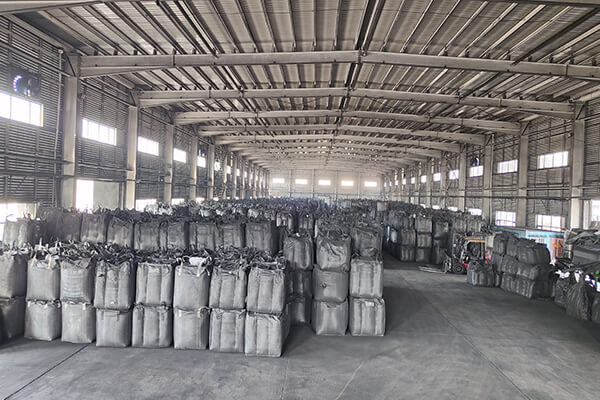
Heycarbons has sufficient inventory and strong production capacity, and will report production progress to you from time to time.
Shipping
Heycarbons know you need to receive the product as soon as possible, after rigorous quality checks and protective packaging, by fedex shipping.


Are You Looking for Activated Carbon For DEHP Removal?
Contact us for design assistance, free quote, and expert advice today.
Your inquiry will be replied within 24 working hours, and we respect your privacy.