Activated Carbon For Carbonated Beverage Drink Heycarbons Manufacturer From China
Carbonated beverages production involves key steps such as raw water purification, syrup filtration, and CO₂ purification. Activated carbon, as a highly efficient adsorption material, plays a vital role in these processes.
Activated Carbon For Carbonated Beverage Drink Treatment
Carbonated beverages are soft drinks that have been infused with carbon dioxide (CO₂) under certain conditions. Typical examples include cola, Sprite, sparkling water, and soda. The characteristic of carbonated beverages is the presence of dissolved CO₂, which gives them a refreshing, tingling sensation.
The production of carbonated beverages involves key steps such as raw water purification, syrup filtration, and CO₂ purification. Activated carbon, as a highly effective adsorbent, plays a vital role in these processes.
Activated carbon is a porous adsorption material made by high-temperature carbonization and activation of carbon-containing materials such as wood, coal, coconut shells, or nutshells. Its unique pore structure (micropores, mesopores, and macropores) and extremely high specific surface area (500–1500 m²/g) enable it to effectively adsorb organic matter, residual chlorine, pigments, odorants, and some heavy metals from water.
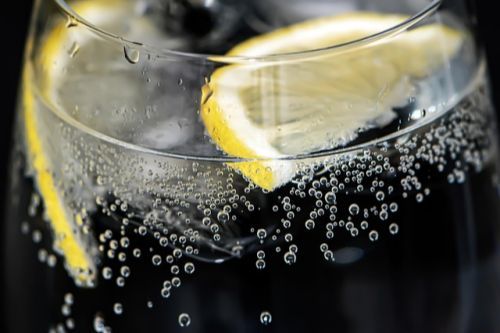
Is activated carbon safe to drink?
In the food industry, activated carbon must comply with food-grade standards (such as GB 1886.252-2015) to ensure safety and adsorption performance.
In the carbonated beverage production process, activated carbon can be used for raw water purification, syrup filtration, and CO2 purification. This article will explore the role, products and treatment process of activated carbon in carbonated beverages from these three perspectives.
Heycarbons
Activated Carbon For Raw Water Purification of Carbonated Beverages
Role of activated carbon for drinking water purification
Absorbs residual chlorine and organic matter
- Removes residual chlorine from raw water (tap water is often disinfected with chlorine, and residual chlorine can affect beverage flavor).
- Absorbs organic matter such as humic acid and phenols, preventing them from reacting with beverage ingredients and causing odor or discoloration.
Improves taste and odor
- Eliminates earthy odors and algae metabolites (such as geosmin and MIB) in raw water, preventing them from affecting the refreshing feel of carbonated beverages.
Reduces color and turbidity
- Absorbs suspended matter such as colloids and pigments, improving water clarity (especially critical for colorless and transparent carbonated beverages).
Protecting downstream equipment
- Reduces the entry of organic matter into reverse osmosis (RO) or ion exchange systems, extending the life of membranes and resins.
Heycarbons Activated Carbon Product For Raw Water Purification of Carbonated Beverages
Coconut shell activated carbon or nutshell activated carbon can be used for raw water purification of carbonated drink to remove residual chlorine.
- Iodine value mg/g 900-1100(mutshell), 900-1500(coconut shell)
- 8*30 mesh or 10*20 mesh or 12*40 mesh

Heycarbons
Activated Carbon Treatment of Drinking Water Purification Process
Activated carbon treatment of carbonated beverage raw water is typically performed as a pretreatment step, following multi-media filtration and prior to finishing (such as RO or softening). The specific treatment process is as follows:
1. Activated Carbon Filter Structure
- Filter Media: Granular Activated Carbon (GAC, commonly coconut shell or nutshell activated carbon).
- Equipment: Pressure tank filter (requires regular backwashing).
- Contact Time: Typically designed for 10-15 minutes (to ensure adequate adsorption).
2. Treatment Steps
- Pretreatment (Pre-filtration):
Raw water is first filtered through a sand filter or multi-media filter to remove large suspended solids (to protect the activated carbon layer).
- Activated Carbon Adsorption For Drinking Water
Water flows from top to bottom through the activated carbon layer, adsorbing chlorine, organic matter, and other substances.
Operating Pressure: 0.2-0.4 MPa, Flow Rate: 8-12 m/h.
- Backwash (Regular Maintenance):
Backwash with clean water or compressed air to remove impurities trapped in the carbon layer (to prevent clogging). Frequency: Once every 24-72 hours (adjusted based on water quality).
- Subsequent Treatment:
The effluent from the activated carbon treatment must enter a softener (to remove calcium and magnesium ions) or an RO system (for deep desalination), followed by UV/ozone sterilization before use in beverage preparation.
Activated Carbon For Raw Water Purification Summary
Activated carbon adsorption is a core step in treating raw water for carbonated beverages. Its efficient adsorption ensures colorless and odorless water while protecting downstream equipment. The process requires dynamic adjustments based on water quality reports and strict monitoring of microbiological risks to meet the stringent water quality requirements of carbonated beverage companies, such as those set by Coca-Cola and PepsiCo.
Heycarbons
Activated Carbon For Syrup Filtration of Carbonated Beverage
Syrup is a crucial factor in determining the quality of carbonated beverages. Therefore, strict syrup filtration standards are essential during the syrup preparation process.
Activated carbon adsorption is a key step in syrup filtration, primarily used for decolorization, deodorization, and impurity removal to ensure consistent product quality.
Role of Activated Carbon in Syrup Filtration
1. Decolorization
- Removes natural coloring (such as caramel color) or coloring matter produced during processing from syrup, making it more transparent.
- It is particularly suitable for syrups based on white sugar or raw sugar, which may contain small amounts of coloring impurities.
2. Removes odors and impurities
- Absorbs sulfides, volatile organic compounds (VOCs), or other unpleasant odors (such as the sulfur odor in raw sugar).
- Reduces compounds that may cause an unpleasant beverage taste (such as phenols and aldehydes).
3. Improves stability
- Absorbs colloids, gelatin, or fine particles to prevent precipitation or turbidity during subsequent processing.
4. Assists in microbial control
- While it cannot directly kill bacteria, it can indirectly reduce the risk of microbial growth by adsorbing organic impurities (requires pasteurization or UV treatment).
Heycarbons
Activated Carbon For Syrup Filtration Treatment Process
1. Pretreatment
- Dilution: Adjust the concentrated syrup to 30-50° Brix (to reduce viscosity and improve adsorption efficiency).
- Heating: Raise the temperature to 60-75°C (to balance adsorption kinetics with syrup stability and avoid the risk of charring at temperatures above 80°C).
- Coarse Filtration: Pre-filter through diatomaceous earth or a 10-20μm filter bag to remove suspended particles and prevent clogging of the activated carbon pores.
2. Activated Carbon Selection and Addition
Powdered Activated Carbon (PAC): Coconut shell-based (low ash content) is preferred, with an iodine value ≥ 900mg/g (for pigments/small molecules) and a particle size of 200-400 mesh.
Add the powdered activated carbon to the syrup in appropriate proportions (usually 0.1%-0.5% w/w) and stir for 20-30 minutes (50-70°C is optimal).
Granular Activated Carbon (GAC): For continuous production systems, with a particle size of 0.5-2mm, requires regular backwashing and regeneration. Dosage: 0.1%-0.5% (w/w), adjusted based on initial color (high-pigment syrup can be increased to 0.8%).
3. Solid-Liquid Separation
PAC System:
- Prefiltration: 5μm filter bag to remove most carbon residue.
- Fine Filtration: Plate and Frame Filter Press (0.5-1μm filter paper) or 0.2μm ceramic membrane (when sterility is critical).
GAC System: Regular backwashing (1-2 times per week, 2-3 BV backwash water).
4. Post-Processing and Quality Control
- Cooling: Cool to ≤25°C within 30 minutes (to inhibit microorganisms).
- Test the syrup for color (e.g., ICUMSA value), turbidity, and taste.
- pH adjustment or flavoring may be necessary (activated carbon may adsorb some flavoring).
Heycarbons
Activated Carbon For CO₂ Purification of Carbonated Beverage
Carbon dioxide (CO₂) is the key ingredient responsible for creating the characteristic bubbles and effervescence in carbonated beverages. Purification of carbon dioxide (CO₂) is crucial because it directly impacts the quality, taste, and safety of soda, sparkling water, and other carbonated beverages.
Why is CO₂ used in carbonated beverages?
(1) Flavor and taste
- Odor contamination: Sulfides (such as H₂S, SO₂), hydrocarbons (such as benzene, toluene) or oil residues in CO₂ can cause beverages to have a rotten egg smell, gasoline smell or moldy smell, which will destroy the flavor.
- Carbonation taste: Impurities may change the dissolution rate of CO₂ in the liquid, affecting the fineness and persistence of the bubbles.
(2) Food safety
- Toxic substance risk: Industrial-grade CO₂ may contain carcinogens such as heavy metals (such as lead and mercury) and polycyclic aromatic hydrocarbons (PAHs), which must be strictly removed.
- Microbial carriers: Unpurified CO₂ may carry microorganisms (such as anaerobic spores) and contaminate the filling system.
(3) Product stability
- Chemical reaction: Impurities (such as oxygen) may accelerate the oxidation of vitamin C and flavors in beverages, causing discoloration or flavor deterioration.
- Abnormal foam: Oil and fat contaminants can destroy the liquid surface tension, resulting in excessive foam or rapid dissipation.
Role of Activated Carbon in Purifying Carbon Dioxide CO₂
The primary role of activated carbon in purifying carbon dioxide (CO₂) in carbonated beverages is to remove odors, organic impurities, and trace amounts of harmful substances (such as sulfides and hydrocarbons) that may be present in CO₂ through its adsorption properties, thereby improving the taste and safety of the beverage.
1. Removing Odors and Impurities
CO₂ may carry small amounts of sulfides (such as H₂S), aromatic hydrocarbons, oils, and other volatile organic compounds (VOCs) during the industrial production process. These impurities can affect the flavor and even safety of the beverage. The porous structure and large surface area of activated carbon allow for the physical adsorption or chemical bonding of these impurities.
For example, hydrogen sulfide (H₂S) is catalytically oxidized to elemental sulfur or sulfate by basic groups on the activated carbon surface or by supported metal oxides (such as copper oxide).
2. Improving CO₂ Purity
Food-grade CO₂ must comply with international standards (such as ISBT and GB 1886.228-2016). Activated carbon can be used as a pretreatment or final purification step to ensure CO₂ purity ≥ 99.9% and impurity levels below the ppm level.
3. Protecting Subsequent Process Equipment
Removing hydrocarbons and oils from CO₂ prevents blockage or contamination of valves, pipes, or carbonization towers in the filling line.
What activated carbon is recommended for purifying CO₂ from carbonated beverages?
When CO₂ gas flows through the Heycarbons Pelletized Activated Carbon bed, impurities such as volatile organic compounds (VOCs), odors and trace pollutants are adsorbed onto the porous surface of the activated carbon, ultimately obtaining pure CO₂ gas for the production of carbonated beverages.
Heycarbons
Activated Carbon For CO₂ Purification Process Flow
Activated carbon purification of CO₂ is usually used as part of a multi-stage purification system. The typical process flow is as follows:
(1) CO₂ source pretreatment
Industrial CO₂: usually comes from fermentation byproducts or chemical production, and may contain impurities such as sulfides (such as H₂S), hydrocarbons, and alcohols.
Preliminary purification: first remove acidic gases (H₂S, SO₂) by washing with water and alkali (such as NaOH solution), and then reduce humidity by drying (molecular sieve or silica gel).
(2) Activated carbon adsorption
Activated carbon selection: select food-grade coconut shell or nutshell activated carbon with a high specific surface area (800~1200 m²/g), iodine value ≥800 mg/g, and must comply with FDA/GB standards.
Adsorption tower design:
- Dual towers in parallel: use alternately to ensure the continuity of the activated carbon adsorption process.
- Contact time: the gas flow rate is controlled at 0.1~0.3 m/s, and the contact time is extended to improve the adsorption efficiency.
- Temperature and pressure: Operate at room temperature (20-30°C) and low pressure (0.1-0.5 MPa) to avoid high temperature reducing adsorption capacity.
(3) Post-treatment
Precision filtration: Install a 0.1 μm filter after the activated carbon bed to prevent carbon powder from entering the beverage.
Online monitoring: Detect CO2 purity (≥99.9%), total sulfur (<0.1 ppm) and odor.
(4) Regeneration and maintenance
Thermal regeneration: Saturated activated carbon can be regenerated by desorption with 150-300°C steam or inert gas, but it needs to be replaced after multiple regenerations.
Safety measures: Activated carbon that adsorbs hydrocarbons must be explosion-proof to avoid the accumulation of combustible materials at high temperatures.
Heycarbons Activated Carbon Manufacturer From China
In addition to carbonated beverages, Heycarbons activated carbon can also be used for water purification in industries such as juice, beer, and drinking water. It can also be used for gas purification, gold extraction, VOC removal, and amine filtration.
Please tell Heycarbons your needs, and our professional sales staff will provide you with the right activated carbon product and customize its specifications.
Custom Heycarbons Activated Carbon Solution For Carbonated Drink
Heycarbons provides a full range of activated solutions at competitive prices.
What Clients Say on Our Activated Carbon
Custom Heycarbons Activated Carbon For Carbonated Drink
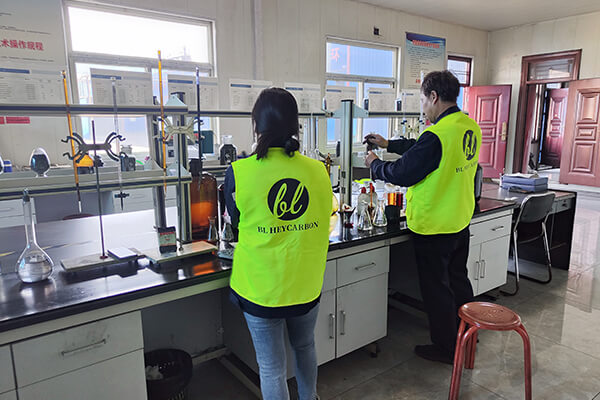
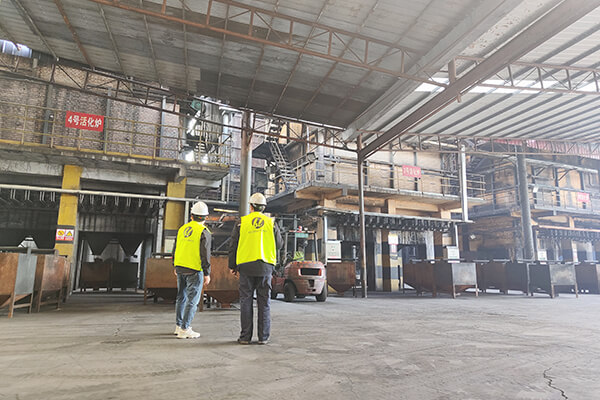
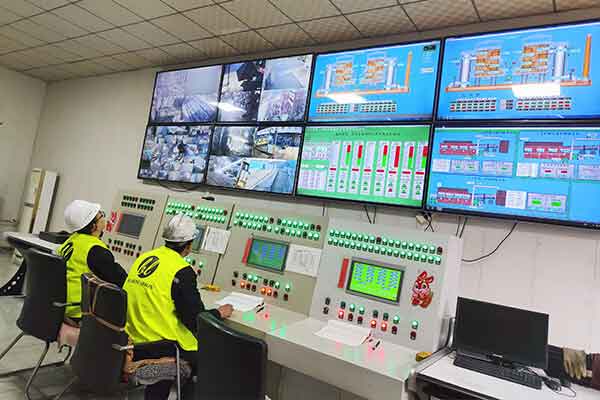
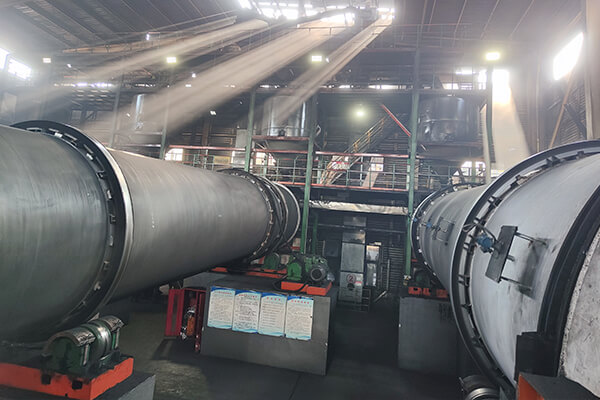
Heycarbons has proudly served the activated carbon industry with high-quality products since 2005.
You can ask customize your coconut shell activated carbon specification for your project.
- Customized size, CTC, iodine value, ash, etc.
- Personalized service and advice based on your needs and preferences. Such as acid washing , water washing.
- Cost-effective solutions customized according to customer applications. such as Ag and other precious metals.
Steps to Customize Heycarbons Activated Carbon For Carbonated Drink
Consultation
By understanding your needs and requirements, our salesmen work with you to submit the appropriate activated carbon solution.
Quotation
Heycarbons expert customer service will provide you with a free quote based on your requirements as well as product specifications and quantities.
Production
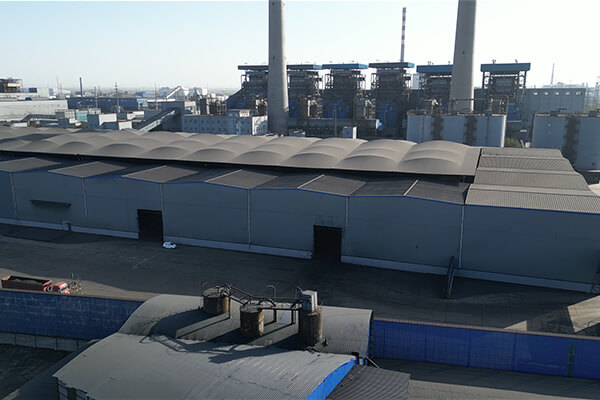
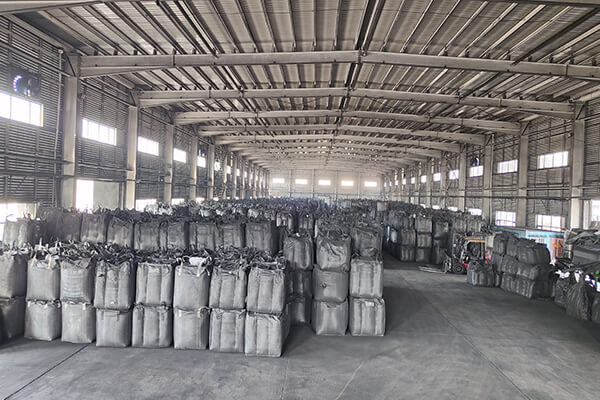
Heycarbons has sufficient inventory and strong production capacity, and will report production progress to you from time to time.
Shipping
Heycarbons know you need to receive the product as soon as possible, after rigorous quality checks and protective packaging, by fedex shipping.


Are You Looking for Activated Carbon Manufacturers?
Contact us for design assistance, free quote, and expert advice today.
Your inquiry will be replied within 24 working hours, and we respect your privacy.