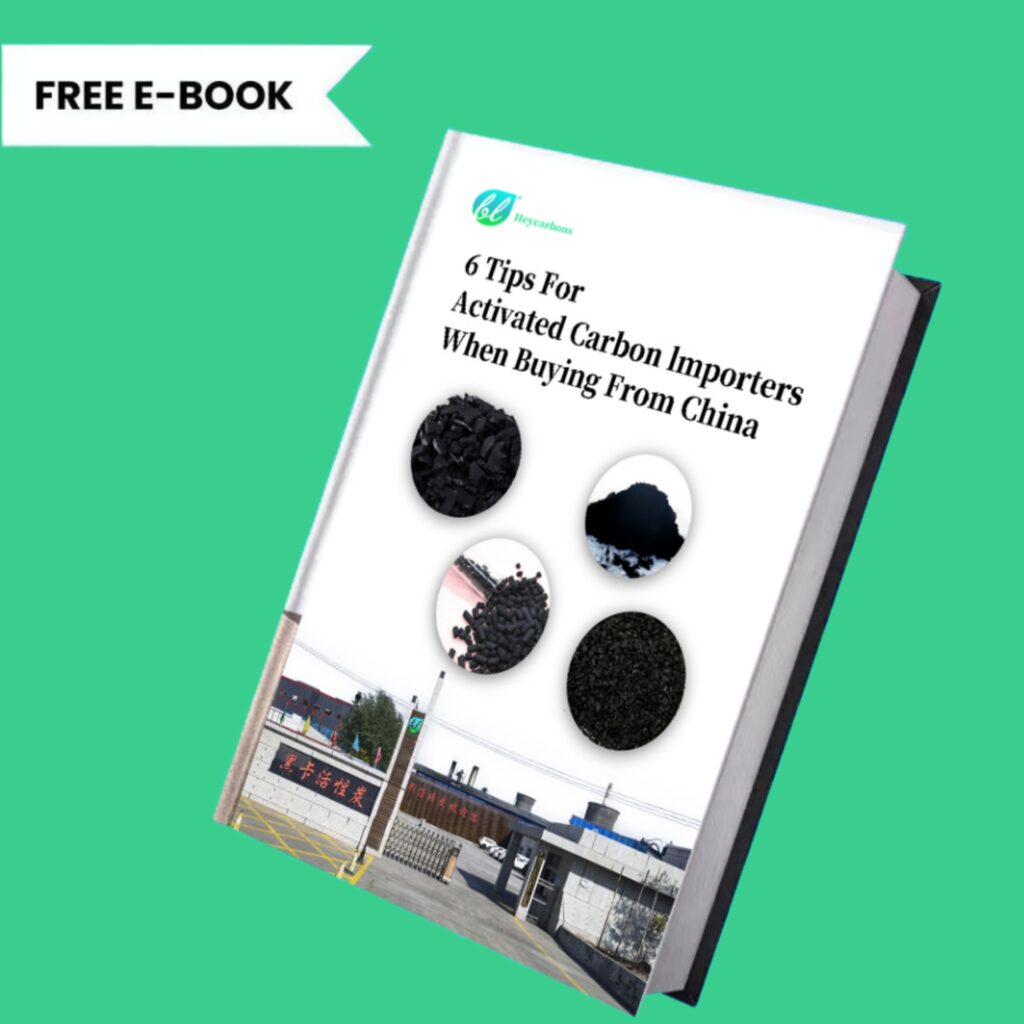
Activated Carbon For DCM Dichloromethane Heycarbons Manufacturer From China
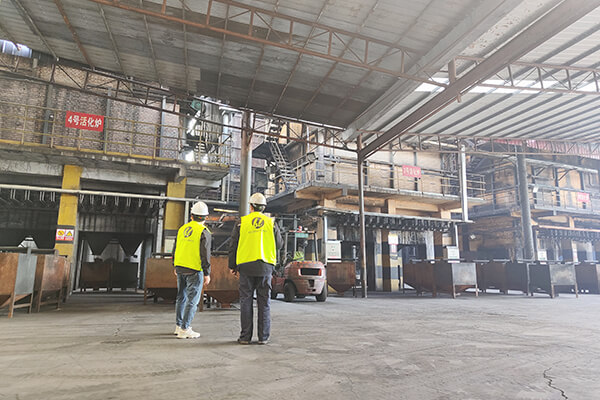
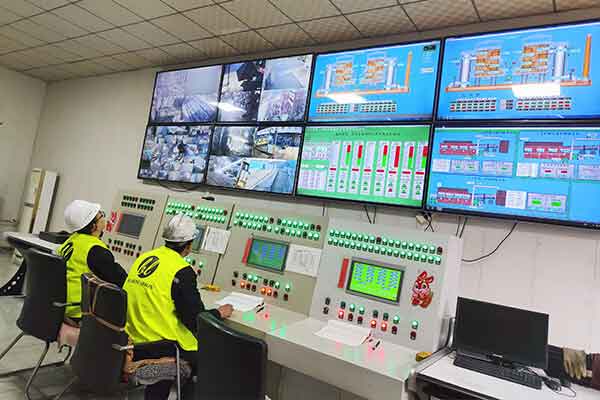
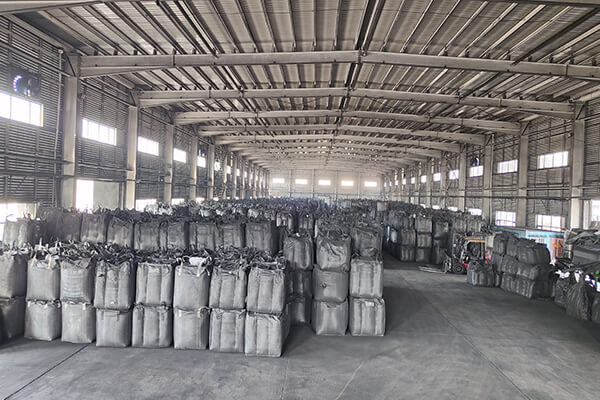
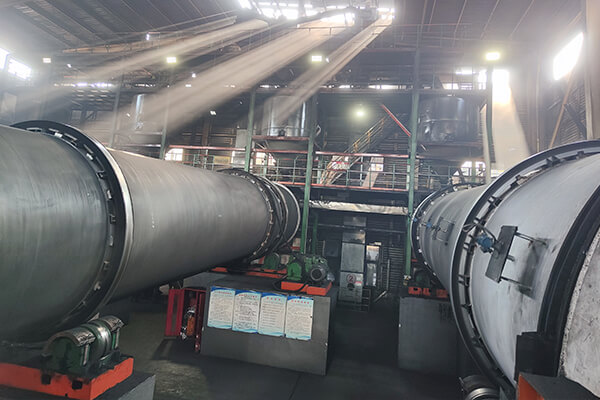
- Over 20 years of industry experience in activated carbon manufacturing for DCM
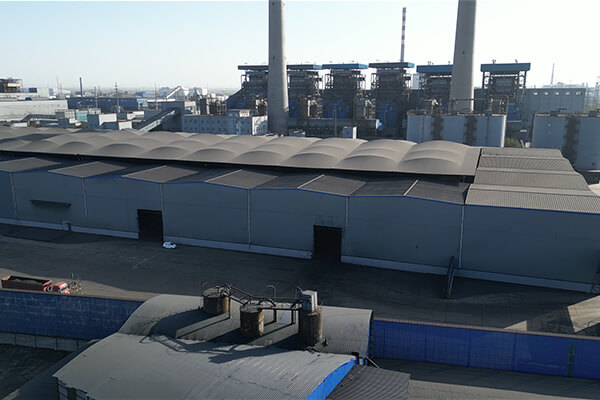
- Annual output 18000 tons
- 16pcs Production Patents
- High Iodine Value: 1100mg/g min.
- low ash, high CTC and high strength
What is DCM Dichloromethane?

Dichloromethane DCM, with the chemical formula CH₂Cl₂, is a colorless, transparent, volatile liquid. Its most notable characteristic is its slightly sweet odor, similar to ether.
It is a very important and commonly used organic solvent in industry and laboratories. Dichloromethane has the following characteristics:
- High solubility: DCM can dissolve a variety of organic compounds, such as resins, fats, oils, rubber, and alkaloids, but does not dissolve water well.
- Non-flammability: This is a very important advantage. Compared to flammable solvents such as benzene, gasoline, and ethanol, DCM has no flash point and is non-flammable at room temperature and pressure, making it relatively safe to use (although other risks should be noted).
- High volatility: DCM has a very low boiling point (39.6°C) and evaporates easily.
- Toxicity: DCM is toxic to humans, absorbed primarily through inhalation of its vapor and skin contact. It has a depressant effect on the central nervous system (and a narcotic effect at high concentrations). Long-term or high-level exposure may cause damage to the liver and kidneys, and it is listed as a suspected carcinogen. Therefore, good ventilation must be maintained and appropriate protective equipment must be worn when using it.
What is dichloromethane DCM used for?
Due to its excellent solubility and non-flammability, DCM has a wide range of applications:
1. Paint strippers and paint strippers
This is DCM’s largest and most widely known use. It effectively softens, swells, and strips a wide variety of paints, varnishes, and coatings, making it the main ingredient in many strong paint strippers.
2. Industrial cleaning agent
It is used for degreasing and cleaning precision metal parts (e.g., in the aerospace and electronics industries), effectively removing oil and grease without leaving a residue.
3. Chemical synthesis and pharmaceutical industry
It is widely used as a reaction medium or extractant in organic synthesis and pharmaceutical manufacturing. Due to its low boiling point, it can be easily separated and recovered from the product by distillation.
4. Foaming agent
It was once commonly used in the production of polyurethane foams (e.g., sponges and insulation materials). Due to environmental concerns, its use in this field is declining and being replaced by more environmentally friendly alternatives.
5. Food industry
It was once used as an extraction solvent in foods such as coffee and hops for decaffeination or flavor extraction. After extraction, DCM is completely removed by heating. Due to safety concerns, many companies have now switched to using water, carbon dioxide, or other safer solvents.
6. Aerosol Propellant
It is used as a propellant in some aerosol products (such as paints and pesticides) because it is non-flammable and safer than some flammable alternatives.
7. Adhesive
It serves as a solvent component in some adhesives.
Why Use Activated Carbon to Recover and Purify DCM Dichloromethane?
The use of activated carbon for the recovery and purification of dichloromethane (DCM) is primarily driven by efficiency, cost-effectiveness, and environmental considerations.
Core Reason: Activated Carbon Adsorption Properties Matching Perfectly the Physical Properties of DCM
Activated carbon is a material with an extremely large surface area (one gram of activated carbon has a surface area equivalent to that of a football field) and a highly developed pore structure. It is particularly adept at capturing organic solvent molecules through physical adsorption (primarily van der Waals forces).
DCM molecules (CH₂Cl₂) possess physical properties that are highly suitable for adsorption by activated carbon:
- Moderate Molecular Weight: Its small molecular weight allows it to easily enter the microporous structure of activated carbon.
- High Boiling Point: Its higher boiling point (39.6°C) compared to permanent gases like nitrogen and oxygen makes it more susceptible to adsorption and concentration.
- Volatile Organic Compounds (VOCs): DCM is a typical VOC, precisely the type that activated carbon is best suited to handle.
Advantages of Activated Carbon for DCM Dichloromethane Recovery and Purification
1. Environmental Protection and Compliance
This is the primary driving factor. Directly discharging waste gas from industrial production will cause:
- Pollute the atmosphere: DCM is a volatile organic compound (VOC) that participates in photochemical reactions and can contribute to smog.
- Violate regulations: Countries worldwide have strict limits on VOC emissions, and direct emissions can result in significant fines.
- Hazard to health: This poses a threat to the health of people living near the factory and employees.
Activated carbon adsorption systems can effectively reduce the DCM concentration in waste gas from several thousand milligrams per cubic meter to tens of milligrams per cubic meter or even lower, ensuring compliance with emission standards.
2. Resource Recovery and Economic Benefits
DCM is a relatively expensive chemical solvent. Directly discharging it is a waste of money.
- Recycling and Reuse: After adsorption on activated carbon, it is desorbed (desorbed) using steam or other methods. Through condensation, separation, and dehydration, a highly pure DCM liquid is obtained, which can be directly reused in the production line.
- Cost Reduction: The recovered solvent is of considerable value, significantly reducing the cost of purchasing fresh solvent and the cost of disposing of waste solvent. The investment in the activated carbon adsorption system is typically recovered within one to two years.
3. Safety
- DCM itself is non-flammable, but its vapors mixed with air at certain concentrations pose a risk. Concentrating and recovering it reduces the overall concentration of flammable gases in the working environment, improving safety.
4. Operational Flexibility and Efficiency
- The activated carbon adsorption system can be designed to be very compact, making it suitable for treating large air volumes and low concentrations of DCM waste gas (which is difficult to efficiently treat using other methods, such as condensation).
- The system can operate automatically, cyclically implementing adsorption, desorption, drying, and cooling steps to achieve continuous production.
Heycarbons Best Activated Carbon For DCM Dichloromethane Purification and Recovery
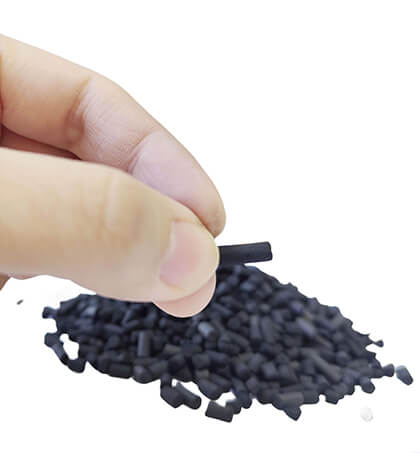
Heycarbons Coconut Pelletized Activated Carbon For DCM Dichloromethane
A customer requested 4mm coconut shell pelletized carbon to recover gaseous dichloromethane (DCM).
Heycarbons can provide high-quality coconut shell pelletized activated carbon with low ash, high CTC and high iodine value for the DCM recycling business.
The following are the specifications of Heycarbons coconut shell extruded activated carbon for DCM recovery for your reference. We can also customize activated carbon parameters according to your specific needs.
HEYSORBCARB®-HEYCCEAC Specification
| Project | HEYSORBCARB®-HEYCCEAC |
|---|---|
| Diameter | 4mm (according to customer requirements) |
| Iodine value | 1000mg/g min., 1100mg/g min. |
| CTC | 50-70% |
| Ball strength | ≥99% |
| Moisture | <5% |
| Ash | <6% |

Heycarbons Coal Pelletized Activated Carbon For DCM Dichloromethane
In addition to coconut shell pelletized activated carbon, Heycarbons can also provide coal-based pelletized activated carbon for DCM recovery.
The advantages of coconut shell extruded activated carbon are its high strength and low ash content, while coal columnar activated carbon is more affordable. Customers can choose the appropriate product according to their actual application needs.
HEYSORBCARB®-HEYEAC Specification
| Project | HEYSORBCARB®-HEYEAC |
|---|---|
| Diameter | 4mm (according to customer requirements) |
| Iodine value | 1000mg/g min., 1100mg/g min. |
| CTC | 50-70% |
| Ball strength | ≥98% |
| Moisture | <5% |
| Ash | <12% |
If you want to know more about activated carbon for solvent recovery, you can click on the link below to learn more:
How to Use Activated Carbon to Recover and Purify DCM Dichloromethane?
The process for recovering dichloromethane (DCM) using activated carbon is a highly mature and efficient technology. Its core is the “adsorption-desorption-condensation recovery” cycle.
The entire system typically consists of two or more activated carbon adsorption beds, one in adsorption mode while the other desorbs or remains on standby, enabling continuous operation.
Step 1: Adsorption – Capturing DCM Dichloromethane
Organic waste gas containing DCM vapor undergoes pretreatment (such as a filter to remove particulate matter and a condenser to reduce the temperature and concentration) under the influence of an induced draft fan. It then enters the activated carbon adsorption bed (adsorber) from the bottom.
The purified gas (with DCM concentration significantly reduced to below environmental standards) is discharged from the top of the adsorption bed and discharged through a chimney in compliance with emission standards.
Step 2: Desorption – Release of DCM Dichloromethane
When the gas sensor at the end of the adsorption bed detects that the DCM concentration is about to exceed the specified value (i.e., the activated carbon is “saturated”), the system automatically switches a valve to direct the exhaust gas to another fresh adsorption bed.
Low-pressure steam is introduced into the saturated adsorption bed (usually from the bottom).
A mixture of DCM and steam is formed, which is discharged from the top of the adsorption bed and enters the condensation recovery unit.
Step 3: Condensation & Separation – Recovering Liquid DCM Dichloromethane
The high-temperature mixed gas enters a tubular condenser and is rapidly cooled by circulating cooling water (room temperature water).
The condensate flows by gravity into a separator.
Because DCM and water are immiscible and have a significant density difference (DCM has a density of approximately 1.33 g/cm³, much higher than water), the liquids naturally separate into distinct layers in the separator.
- Upper layer: Primarily water (possibly containing trace amounts of water-soluble impurities) is discharged as wastewater and can be sent to a sewage treatment plant.
- Lower layer: This is the recovered crude DCM liquid.
Step 4: Purification (optional)
The collected crude DCM in the lower layer may contain small amounts of water and other organic impurities.
This can be purified by a simple distillation column (Rectifier). The boiling point difference between DCM and water is exploited to further remove water, yielding high-purity DCM.
The purified DCM meets the standards for reuse in the production line, achieving resource recycling.
Step 5: Drying & Cooling – Activated Carbon Regeneration
• Problem: The interior of the carbon bed after desorption is hot and humid. If exhaust gas is introduced directly, the vapor will condense and clog the pores, severely reducing adsorption efficiency and even damaging the activated carbon.
• Process:
- Drying: Hot air (or an inert gas such as nitrogen) is passed through the carbon bed to remove any remaining moisture.
- Cooling: The bed is then purged with cold air to reduce the temperature to near room temperature.
• Result: The activated carbon bed is restored to a dry, cool, and clean state, regaining its adsorption capacity and ready for the next adsorption cycle.
If you need client-side process documentation on activated carbon regeneration, you can click the link below to contact us.
Custom Heycarbons Activated Carbon Solution For DCM Dichloromethane
Heycarbons provides a full range of activated solutions at competitive prices.
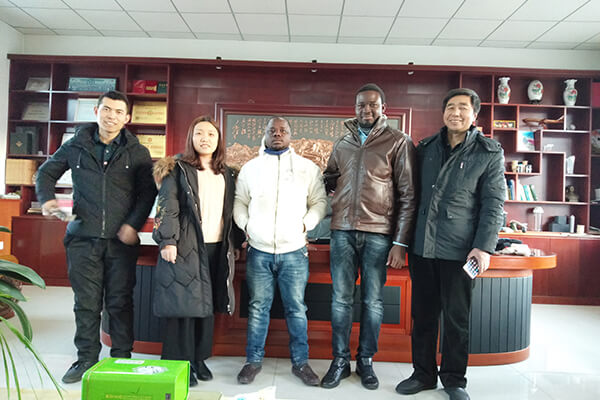
What Clients Say on Our Activated Carbon
Custom Heycarbons Activated Carbon For DCM Recovery and Purification
Heycarbons has proudly served the activated carbon industry with high-quality products since 2005.
You can ask customize your pelletized activated carbon specification for your project.
- Customized size, CTC, iodine value, ash, etc.
- Personalized service and advice based on your needs and preferences.
- Cost-effective solutions customized according to customer applications.
Steps to Customize Heycarbons Activated Carbon For Dichloromethane
Consultation
By understanding your needs and requirements, our salesmen work with you to submit the appropriate activated carbon solution.
Quotation
Heycarbons expert customer service will provide you with a free quote based on your requirements as well as product specifications and quantities.
Production
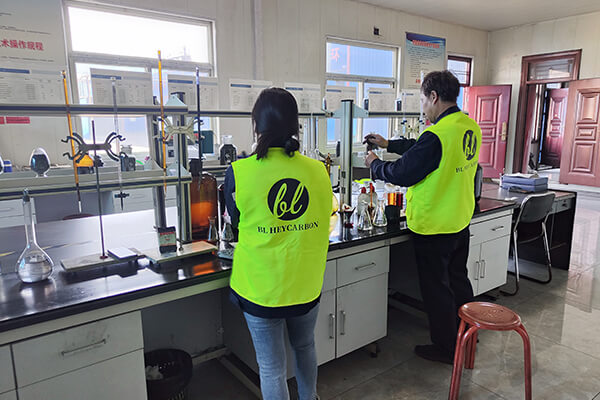
Heycarbons has sufficient inventory and strong production capacity, and will report production progress to you from time to time.
Shipping
Heycarbons know you need to receive the product as soon as possible, after rigorous quality checks and protective packaging, by fedex shipping.

Are you looking for activated carbon for dichloromethane manufacturers?
Contact us for design assistance, free quote, and expert advice today.
Your inquiry will be replied within 24 working hours, and we respect your privacy.