Heycarbons Powder Activated Carbon
What is Powdered Activated Carbon?
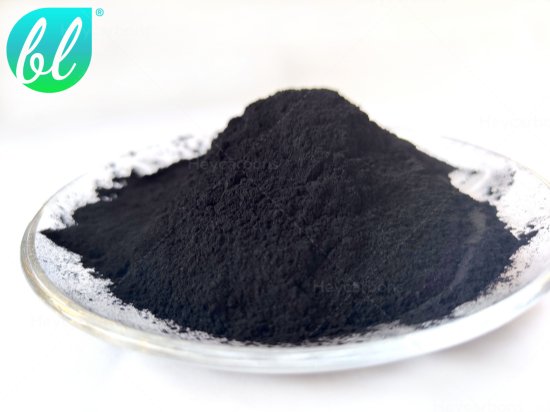
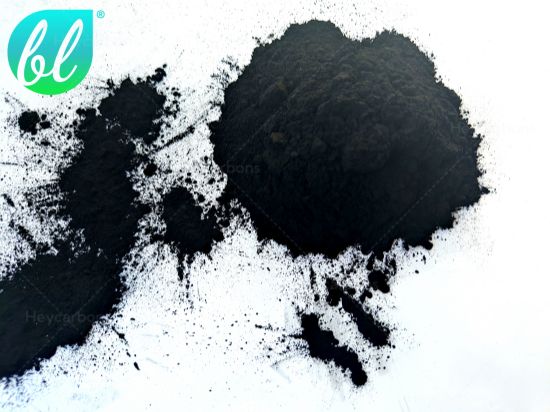
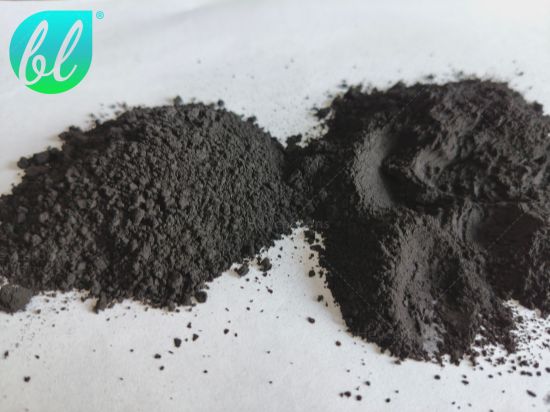
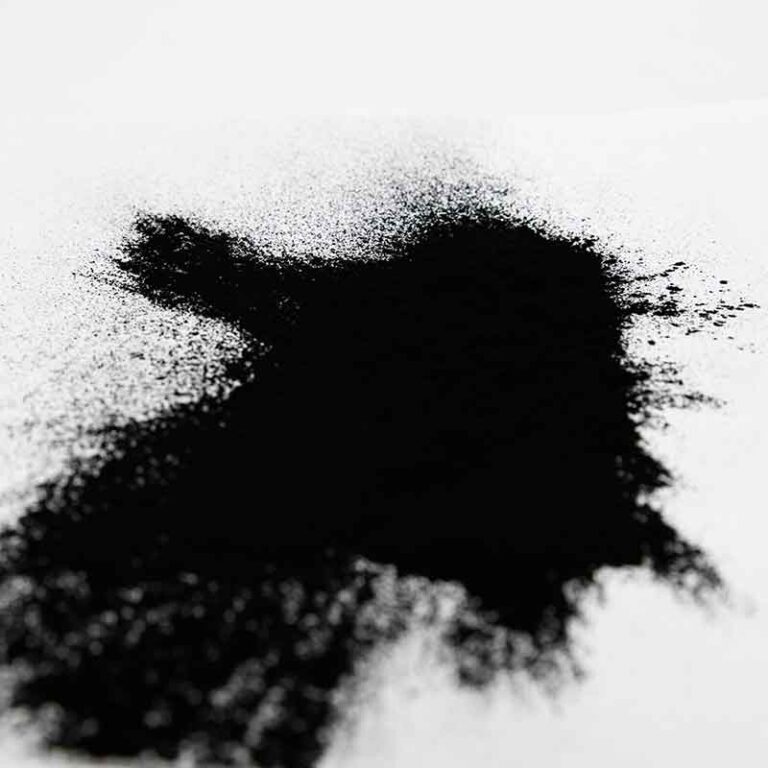
Powdered activated carbon is a highly porous adsorbent material made from high-quality coal, wood, coconut shell or ntushell, which are carbonized, activated and then ground into powder. Common sizes include 200, 325, 500, and 1000 mesh. It has the characteristics of large specific surface area, fast filtration speed, good adsorption performance, and strong decolorization and deodorization capabilities. It is widely used in water treatment, food, medicine, chemical and environmental protection fields.
How is Powder Activated Carbon Made?
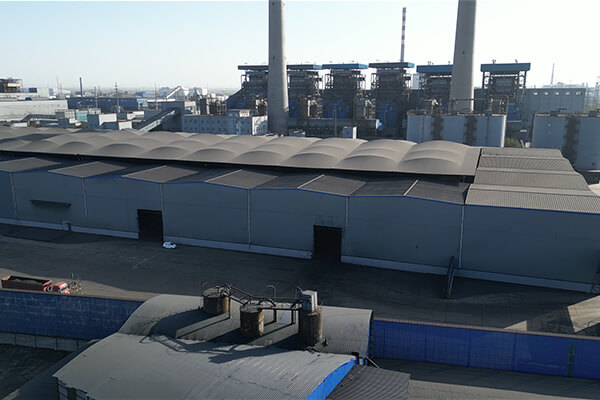
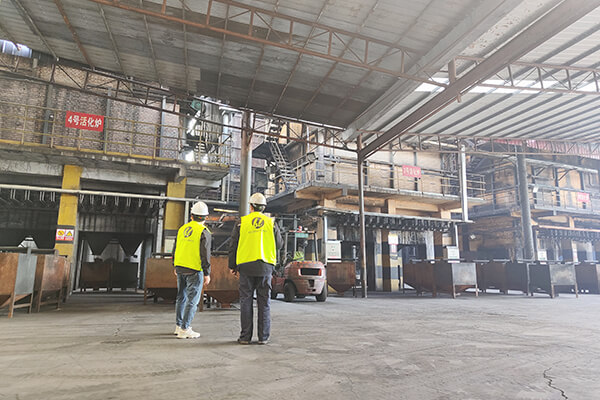
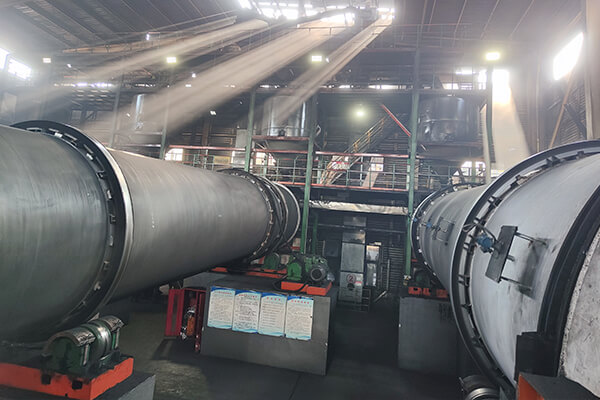
At the Heycarbons factory, the production of powdered activated carbon employs a series of processes, primarily including the following steps:
1. Raw Material Selection
Based on the molecular size of the target pollutant and the adsorption conditions, raw materials such as wood, coal, or coconut shells are selected to regulate the pore size distribution of powder activated carbon, thereby obtaining suitable adsorption performance.
2. High-Temperature Carbonization
The raw materials are carbonized at high temperatures in the absence of air to remove volatiles and form a stable carbon skeleton structure.
3. Activation
Through physical activation methods such as steam or carbon dioxide, a well-developed and uniform microporous and mesoporous structure is formed within the carbon material, significantly improving specific surface area and adsorption capacity.
4. Fine Grinding and Sieving
The activated carbon then undergoes fine grinding and sieving to control particle size distribution, ultimately producing powdered activated carbon products that meet the requirements of different applications.
In the video, you can see how activated carbon is ground.
You will get a quote in 24 hours
Features of Powder Activated Carbon
Powdered activated carbon has the following characteristics:
Advantages of powdered activated carbon
- Fast Adsorption Speed: Small particle size and large contact area with liquids or gases allow for rapid adsorption.
- Strong Decolorization and Odor Removal Capabilities: Excellent removal capabilities for organic pigments, odors, and trace pollutants.
- Flexible Application: Can be directly added, particularly suitable for intermittent or emergency treatment conditions.
- Wide Applicability: Widely applicable to various water qualities and chemical systems.
Disadvantages of powdered activated carbon
- Difficult to recycle and regenerate. After use, it is usually discharged with sludge or filter cake, making reuse difficult.
- Prone to dust generation. Dust prevention and operational safety must be ensured during addition, packaging, and transportation.
- Unsuitable for long-term fixed-bed operation. More suitable for dosing-type or short-cycle treatment systems.
Powder Activated Carbon Specification
For detailed specifications of powder activated carbon, please click the article link below for a complete introduction; further details will not be provided here.
https://heycarbons.com/powdered-activated-carbon/
Please click the button below to obtain Heycarbons Powder activated Carbon SDS.
You will get a quote in 24 hours
Comparison of Powder Activated Carbon from Coal vs Wood vs Coconut
Powdered activated carbon made from different raw materials has different properties and different application areas:
Coal-based Powder Activated Carbon
Coal-based activated carbon has a stable source of raw materials. It has a balanced pore structure (combining micropores and mesopores), pH 8-11, a wide range of applications, and good adsorption effects on various organic pollutants in water. It canbe used for sewage and industrial wastewater, as well as flue gas from steel plants and waste incineration gases.
It offers high cost-effectiveness and is one of the most widely used types of powdered activated carbon in industrial water treatment and environmental protection.
For Powder activated carbon dosing system
A powder activated carbon dosing system is a complete set of equipment that continuously or intermittently adds powdered activated carbon to water or wastewater at a set dosage. It is widely used in municipal sewage, industrial wastewater, and emergency treatment scenarios.
In PAC dosing systems, coal powder activated carbon is the most commonly used type, offering high cost-effectiveness and the ability to adsorb COD, color, and trace organic matter. It also exhibits high tolerance to water quality fluctuations.
It’s typically added through powder activated carbon slurry preparation, which reduces the risk of clumping and pipeline blockage, making it more suitable for continuous dosing systems.
Wood Powder Activated Carbon
Phosphoric acid-processed wood powder activated carbon is predominantly mesoporous, exhibiting excellent performance in liquid-phase decolorization and adsorption of macromolecular organic matter.
Phosphoric acid-processed wood powder activated carbon is inherently acidic (pH 2.5–5.5). The pH can be adjusted to weakly acidic or near-neutral through thorough washing or gentle neutralization.
Wood activated carbon exhibits outstanding adsorption capacity for large organic molecules such as dyes and humic acids.
Phosphoric acid-based wood powder activated carbon is suitable for decolorization and purification of food and beverages, while physical method wood powder activated carbon is suitable for pharmaceutical and drug purification.
Coconut Shell Powder Activated Carbon
Coconut shell powder activated carbon has the smallest pore size. It has a highly developed microporous structure, low ash content, exhibiting extremely strong adsorption capacity for small molecules (such as residual chlorine, low-molecular-weight organic matter, and odor substances).
Coconut shell powder activated carbon can remove residual chlorine, organic pollutants, VOCs, odors, pigments, and other substances. It’s suitable for high-requirement water treatment, food, cosmetics and pharmaceutical-grade refining, and gas phase adsorption. But it’s relatively expensive.
You will get a quote in 24 hours
You will get a quote in 24 hours
Applications of Activated Carbon Powder
What is powdered activated carbon used for? Powdered activated carbon, as a highly efficient adsorption material, has applications in multiple fields including water treatment, food, and medicine:
Powder Activated Carbon for Water Treatment
Coal-based activated carbon powder can be used for decolorization, COD and organic pollutant removal from industrial wastewater, and is suitable for rapid dosing systems, especially for emergency response to sudden water pollution incidents.
Coal granular activated carbon can adsorb VOCs, residual chlorine, ozone, and organic pollutants, making it suitable for drinking water purification and industrial wastewater treatment. GAC is regenerable, while PAC is for single use and is discharged with the sludge afterward.
Wood powdered activated carbon is suitable for municipal and drinking water treatment, adsorbing humic acid, disinfection byproducts, benzene, phenols, dye residues, surfactants, etc. in water.
Powder Activated Carbon for Food and Beverage
Wood powdered activated carbon produced by the phosphoric acid method has a larger pore size, which can adsorb large molecules such as pigments. It is suitable for decolorization and purification of sugar solutions, glucose, fruit juices, and alcoholic beverages.
Powder Activated Carbon for Pharmaceutical and Chemical
Physically produced wood-based powdered activated carbon is suitable for the separation and purification of pharmaceutical intermediates and fine chemicals.
Coconut shell powdered activated carbon is suitable for high-purity water treatment and for use as an additive in food and cosmetics.
Powder Activated Carbon for Environmental Protection Field
Compared to granular and pelletized activated carbon, powdered activated carbon is simple to add and suitable for rapid adsorption and responding to sudden pollution incidents.
Powder Activated Carbon VS Granular Activated Carbon - Heycarbons
Powdered activated carbon has a fast adsorption rate, low cost, and is non-renewable, typically requiring replacement after a single use. Granular activated carbon, on the other hand, can be thermally regenerated after use, thus extending its service life and reducing overall operating costs.
Want to know more about the differences between powder activated carbon and granular activated carbon? Please read the article below.
https://heycarbons.com/granular-activated-carbon-vs-powdered-activated-carbon/
Steps to Custom Heycarbons Activated Carbon Powder
Consultation
By understanding your needs and requirements, our salesmen work with you to submit the appropriate activated carbon solution.
Quotation
Heycarbons expert customer service will provide you with a free quote based on your requirements as well as product specifications and quantities.
Production
Heycarbons has sufficient inventory and strong production capacity, and will report production progress to you from time to time.
Shipping
Heycarbons know you need to receive the product as soon as possible, after rigorous quality checks and protective packaging, by fedex shipping.
Heycarbons Powdered Activated Carbon FAQs
Heycarbons provides on demand activated carbon solutions worldwide, product quality and customer service are highly rated by our partners and customers.
Powdered activated carbon (PAC) removes organic matter and odors from water through adsorption. Common targets include odors, water color, chlorine and chloramines, and industrial organic matter (phenols, dyes, etc.).
Powdered activated carbon cannot be dry-added; it must first be prepared into a 5-10% paste solution.
In practical applications, there are generally four addition points: raw water inlet, before coagulation/flocculation, before sedimentation tank, and before rapid sand filtration. The choice depends on the specific water treatment requirements.
The dosage of PAC varies depending on the water quality, generally ranging from 5-100 mg/L, and needs to be determined through small-scale tests.
PAC must be thoroughly mixed with the water and in contact for at least 15-30 minutes to complete adsorption.
Subsequent sedimentation and filtration processes are required to completely remove the PAC-carrying flocs from the water. Waste activated carbon powder is discharged with sludge and is non-renewable.
- Testing of selected raw materials
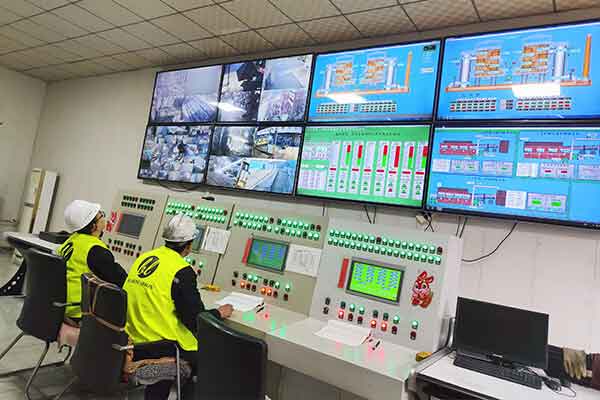
- Comprehensive display and monitoring of production temperature and time
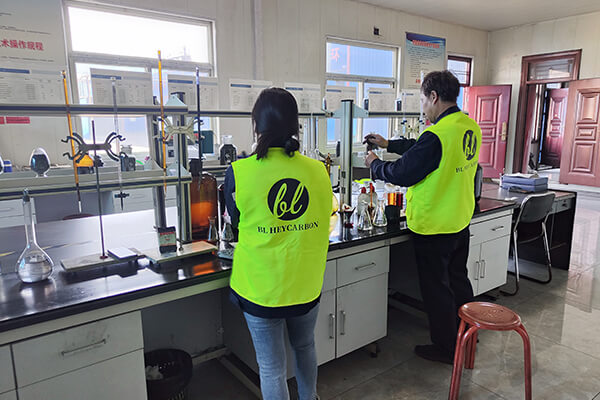
- Sampling inspection of finished products
- Support any form of third-party testing , such as SGS
1. T/T Deposiit + Balance against copy of B/L
2. L/C
3. T/T deposit + L/C for balance
1. If necessary, the technician can go to the site to guide .
2. Order goods are consistent with the sample and TDS
3. Any quality problems occur, the seller will provide solutions within 24 hours.
4. If the package is damaged due to the seller’s negligence, resulting in a shortage of goods,
the seller should make compensation based on mutual agreement.
For customers’ trial orders, we actually do not have a specific MOQ, any amount is acceptable.
Heycarb need to choose a cost-effective transportation method and quantity based on your specific situation.
Normally , 5-7days , also depend on quantity
Yes, Heycarb provide samples for free.
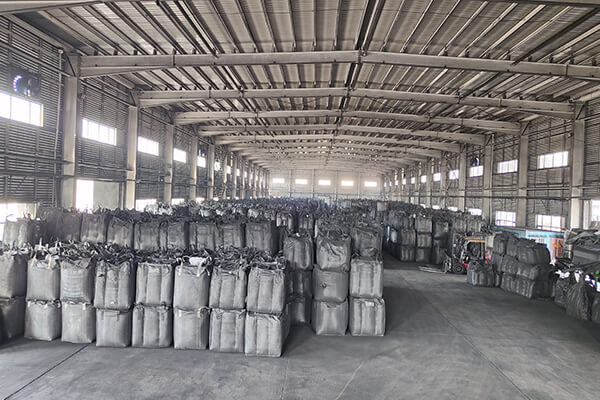
Normally 25kgs/bag , 20kgs/bag , 500kgs/bag , black bag
Support any OEM drawing design bag .


Are You Looking for Heycarbons Powder Activated Carbon Manufacturers?
Contact us for design assistance, free quote, and expert advice today.
Your inquiry will be replied within 24 working hours, and Heycarbons respect your privacy.
You will get a quote in 24 hours