Heycarbons Granular Activated Carbon
What is Granular Activated Carbon?
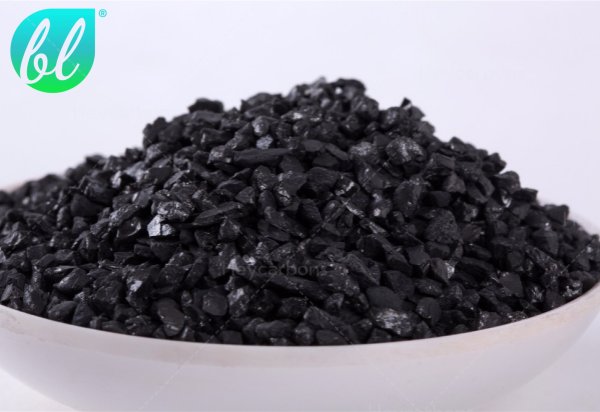
Granular activated carbon (GAC) is a highly porous adsorbent material made from raw materials such as coal, coconut shells, and wood through carbonization and activation processes. It features a large specific surface area, well-developed pore structure, and strong adsorption capacity. It has low pressure drop, high mechanical strength and is regenerable, and is widely used in the purification of gases and liquids.
Common granular activated carbon particle sizes include: 4*8, 5*10, 6*12, 8*16, 8*30, 12*40, 30*60, and 80*150 mesh.
How to Make Granular Activated Carbon?
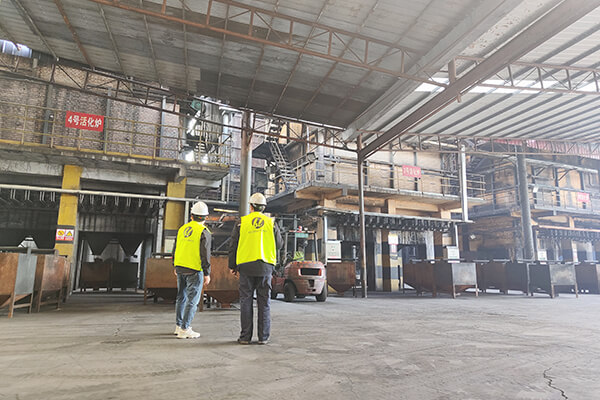
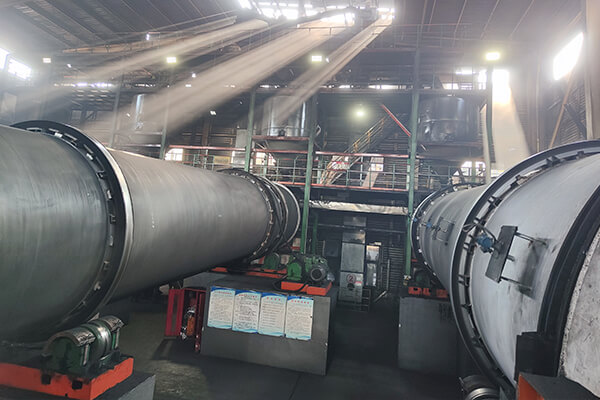
HeyCarbons, as a professional granular activated carbon manufacturer, operates a production process that primarily includes the following key steps:
High-quality wood, coal, coconut shells are selected as raw materials. (For the coconut shell carbonized material, it is roughly crushed.)
After impurity removal, pyrolysis carbonization is carried out in an oxygen-deficient or oxygen-free high-temperature environment (usually 400-700℃) to form a preliminary porous structure.
Subsequently, physical steam activation(usually 900-1200℃) is performed to expand and open up the pores formed in the carbonization stage, forming a well-developed microporous and mesoporous structure, thereby obtaining a huge specific surface area and adsorption capacity.
After cooling, the activated high-temperature carbon undergoes crushing, screening, and dust removal treatment to obtain the finished activated carbon.
Production process of coal granular activated carbon video
Production process of cooconut shell granular activated carbon video
Heycarbons, as a granular activated carbon supplier, can also perform modification treatments such as acid washing and impregnation (acidic, alkaline, or metal oxide) according to customer requirements to improve the adsorption capacity of activated carbon for target substances.
For coconut shell activated carbon used in gold refining, Heycarbons further processes it through polishing and air separation after carbonization and activation to ensure the thickness and fullness of each activated carbon particle, reducing gold loss during the gold extraction process.
For coal reagglomerated activated carbon, Heycarbons carefully selects different types of clean coal from different regions for blending. After the coal powder is “pressed into briquettes,” it undergoes carbonization, activation, and finally crushing into granules and screening to the appropriate particle size.
You will get a quote in 24 hours
What is the Advantages and Disadvantages of Granular Activated Carbon?
Advantages of Granular Activated Carbon
Granular activated carbon (GAC) is widely used in various adsorption scenarios due to its unique physical and chemical properties. Its core advantages are mainly reflected in the following key aspects:
High Adsorption Capacity: The pore size of granular activated carbon can be adjusted by controlling the raw materials, making its adsorption capacity more targeted.
High Mechanical Strength: Granular activated carbon can withstand significant pressure and friction in dynamic filtration systems, is less prone to pulverization, and has a long service life.
Customuize size distribution: Heycarbons can customize the particle size distribution of granular activated carbon according to equipment operating conditions to achieve precise matching with flow rate. This reduces pressure drop and mass transfer resistance, thereby extending the operating cycle and improving overall adsorption performance.
Easy to Handle and Regenerate: The particulate form makes it easy to fill and use in adsorption devices such as fixed beds and fluidized beds. After saturation, it can be regenerated through thermal activation for repeated use.
Disadvantages of Granular Activated Carbon
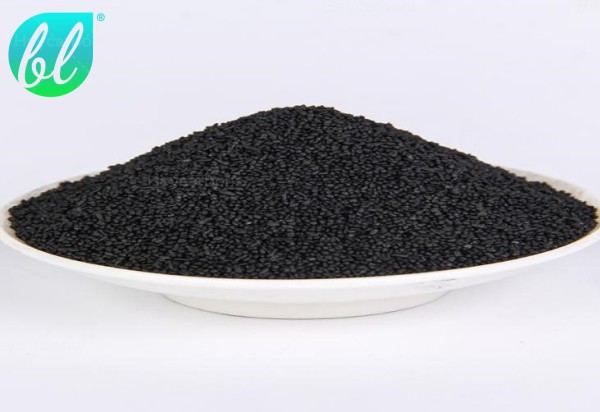
Pelletized activated carbon (0.9mm/1.5mm/2mm) can also be used for water treatment. Compared with it, granular activated carbon GAC has lower strength but it’s cheaper.
Powdered activated carbon is cheap but non-renewable, while granular activated carbon is expensive but renewable and reusable.
Granular Activated Carbon Specification
For detailed specifications of granular activated carbon, please click the article link below for a complete introduction; further details will not be provided here.
Comparison of Granular Activated Carbon from Coal vs Coconut vs Wood
Coal Granular Activated Carbon
Coal-based granular activated carbon (including bituminous coal and anthracite) has a balanced microporous and mesoporous structure, high mechanical strength, and cost-effectiveness, making it one of the most widely used and economical adsorption products in industrial applications.
It is widely applicable in the following fields:
- Wastewater treatment: Removal of organic matter such as COD, dyes, and phenols from industrial wastewater;
- Exhaust gas treatment: Purification and deodorization of industrial exhaust gases such as VOCs and H₂S;
- Oxygen/nitrogen production: Gas pretreatment in PSA processes;
- Flue gas treatment: Desulfurization and deodorization systems;
- Modified activated carbon: Can be used as a carrier for modified carbon (such as for loading chemicals like KOH, KI, and H₃PO₄).
Coal granular activated carbon is particularly suitable for industrial applications involving long-term operation, high flow rates, large air volumes, or high pollutant loads. It maintains stable treatment efficiency and excellent durability even under complex operating conditions.
Coconut Shell Granular Activated Carbon
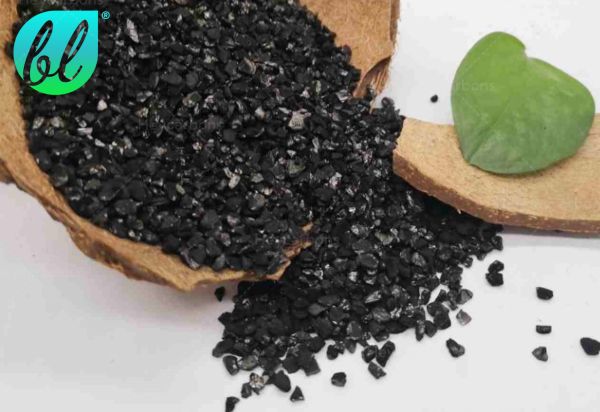
Coconut shell granular activated carbon is characterized by its well-developed microporous structure, high iodine value, high strength, low ash content, and high cost.
Coconut shell granular activated carbon can adsorb residual chlorine, organic pollutants, odors, benzene, etc. Its superior purity and adsorption performance make it the first choice in drinking water purification, food-grade water treatment, high-end air purification, gold refining, and solvent recovery.
In critical applications requiring high adsorption efficiency, high purity, and low impurities, coconut shell activated carbon offers irreplaceable advantages.
Wood Granular Activated Carbon
Wood granular activated carbon is characterized by its well-developed mesopores, low ash content, rapid adsorption rate, and low density. However, its mechanical strength is relatively low, making it suitable for low-abrasion, low-pressure liquid-phase treatment systems. It’s not recommended for high-pressure, high-abrasion systems.
Due to its rapid capture capability of macromolecules, wood-based granular activated carbon performs excellently in liquid-phase decolorization, and is widely used in the decolorization and refining of dyes, sugar solutions, and alcoholic beverages; the treatment of high-color wastewater; and the removal of macromolecular organic matter in the food and chemical industries.
You can choose the appropriate activated carbon according to your needs, or contact Heycarbons for a suitable, economical, and efficient activated carbon solution.
You will get a quote in 24 hours
You will get a quote in 24 hours
Applications of Granular Activated Carbon
What is GAC used for? Granular activated carbon, due to its large particle size, low pressure drop, high strength, and regenerability, is ideally suited for fixed-bed continuous operation systems. Its main applications can be categorized as follows:
Granular Activated Carbon for Water Treatment (Liquid Phase Purification)
Coconut shell GAC adsorbs residual chlorine, chloramines, odors, color, and organic pollutants It’s suitable for the treatment of drinking water, municipal water, and beverage raw water.
Coal granular activated carbon can be used for industrial wastewater treatment to reduce COD and BOD, and remove phenols, solvents, amine and dyes. Bituminous coal GAC is also used to remove PFAS in water.
Coal granular activated carbon and briquette activated carbon have well-developed mesopores, making them more suitable for adsorbing large-molecule pigments and for decolorizing sugars such as starch and sucrose.
Coconut shell and nutshell granular activated carbon have well-developed micropores and low ash content, enabling the removal of phenols, alcohols, and odors. They are suitable for decolorizing and filtering wine and spirits such as baijiu, vodka, and rum.
Granular Activated Carbon for Gas Treatment (Gas Phase Purification)
Impregnated coal-based granular activated carbon can be used for desulfurization of natural gas or biogas. It can be impregnated with alkaline substances such as KOH, NaOH, and KI, or metal oxides. KI-impregnated activated carbon has strong adsorption capacity but is expensive, while KOH-impregnated activated carbon is economical but has a lower ignition point. Customers can choose the appropriate impregnation chemical based on their own needs.
Coal-based activated carbon has a balanced microporous and mesoporous structure, high working capacity, high mechanical strength, good wear resistance, and is regenerable. Therefore, coal granular activated carbon is suitable for the removal of PFAS and VOCs. Coal pelletized activated carbon can also be used for VOCs removal.
Granular Activated Carbon for Mining and Metallurgy
Coconut shell granular activated carbon is used for precious metal recovery, such as in carbon-in-pulp (CIP) or carbon-in-liquid (CIL) processes for gold extraction, and as an aid in the extraction and recovery of nickel.
Granular Activated Carbon for Food
Reagglomerated coal granular activated carbon has well-developed mesopores, making it suitable for adsorbing large molecular pigments. It is low in cost and can be regenerated through thermal activation, making it economically viable. Reagglomerated activated carbon is especially suitable for food, sugar, and oil decolorization.
Granular Activated Carbon for Specialized Modification Application
GAC enhances targeted adsorption through impregnation with chemical substances:
- Impregnation with alkaline, acidic, or metallic compounds can achieve targeted removal of specific pollutants.
Activated carbon has become an indispensable purification medium in multiple industries due to its efficient and stable performance.
If you would like to know the granular activated carbon price, granular activated carbon HS code, and bag of granular activated carbon 25kg, please contact:
You will get a quote in 24 hours
You will get a quote in 24 hours
Steps to Custom Heycarbons Activated Carbon Granule
Consultation
By understanding your needs and requirements, our salesmen work with you to submit the appropriate activated carbon solution.
Quotation
Heycarbons expert customer service will provide you with a free quote based on your requirements as well as product specifications and quantities.
Production
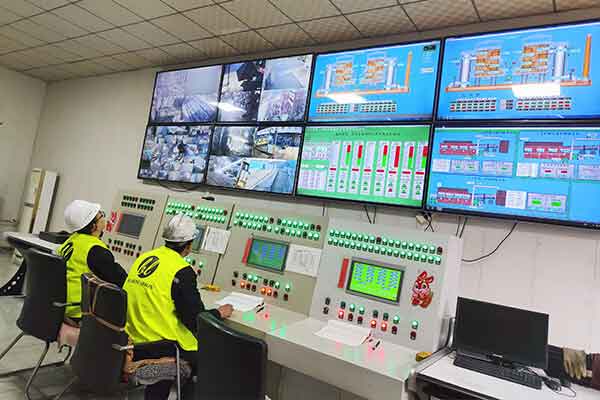
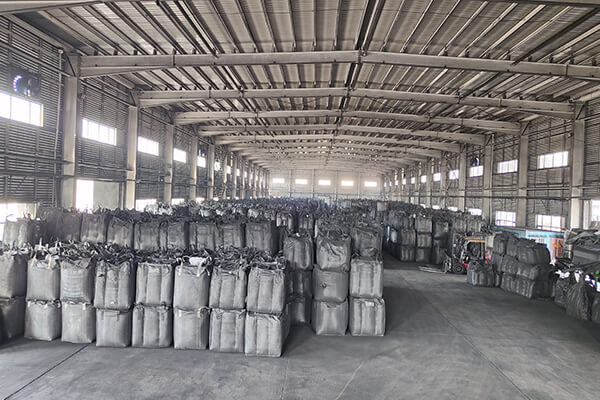
Heycarbons has sufficient inventory and strong production capacity, and will report production progress to you from time to time.
Shipping
Heycarbons know you need to receive the product as soon as possible, after rigorous quality checks and protective packaging, by fedex shipping.
Custom Heycarbons Granular Activated Carbon
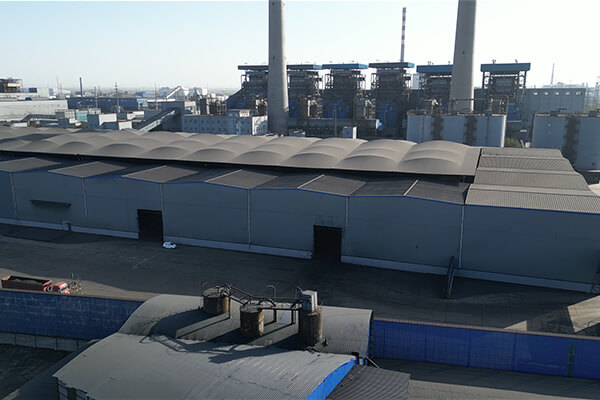
Heycarbons has proudly served the purification industry with high-quality activated carbon since 2005, Heycarbons can customize granular activated carbon for your project.
- Heycarbons customized package to promote your brand, and free design service.
- Customized size, CTC, iodine value, ash, moisture, specific surface area, etc.
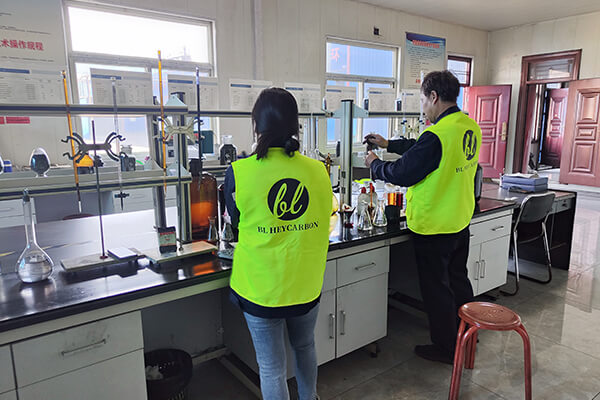
- Each batch gold extraction carbon of multiple mixed testing to ensure quality. It also supports any form of third-party testing for customers.
Call Us
+86-180 3788 5195
Our Email
info@heycarbons.com
Other Granular Activated Carbon Suppliers
Calgon, an American supplier of granular activated carbon founded in 1942, provides effective solutions for wastewater and sewage treatment.
Norit is a Dutch supplier of granular activated carbon founded in 1916 with more than a hundred years of history of innovation and development of activated carbon products and uses.
Carbon Activated Corporation is a USA based supplier of activated carbon granules established in 1993. The adsorptive capacity of granular activated carbon makes it ideal for removing a variety of contaminants from water, air, liquids, and gases to improve taste, odor, and color.
Jacobi Carbons is a Swedish granular activated carbon supplier founded in 1916. Jacobi activated carbon has high adsorption performance and a wide range of applications.
Heycarbons is a supplier of granular activated carbon established in 2005. Usually use coal or coco or wood as raw material, mainly used for gold refining, natural gas and biogas desulfurization, VOCs purification and PFAS treatment in gases, and drinking water purification.
Shanxi Xinhua Chemical Co., Ltd.
Shanxi Xinhua is a long-established Chinese granular activated carbon supplier. Founded in 1953, it mainly sells activated carbon, gas mask and purification filter.

Are You Looking for Heycarbons Granular Activated Carbon Manufacturers?
Contact us for design assistance, free quote, and expert advice today.
Your inquiry will be replied within 24 working hours, and Heycarbons respect your privacy.
You will get a quote in 24 hours