Activated Carbon For Grape Wine - Heycarbons Manufacturer From China
Heycarbons specializes in providing professional, advanced activated carbon solutions for your grape wine purification.
You will get a quote in 24 hours
Activated Carbon for Wine Purification
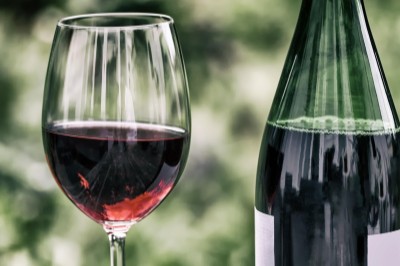
Grape Wine generally refers to an alcoholic beverage made from fresh grapes or grape juice through alcoholic fermentation, typically with an alcohol content of 8–15% vol.
As part of activated carbon alcohol applications, wine is one of the most sensitive and cautious alcoholic beverages in terms of its use. While employing activated charcoal to correct color, eliminate off-flavors, reduce phenols, and fine-tune tannins and bitterness, it is essential to preserve the wine’s precious flavors and aromas.
Heycarbons Best Activated Carbon Product For Grape Wine
With the development of technology, special activated carbon varieties have been formed in the treatment of alcohol, such as special activated carbon for alcohol treatment, special activated carbon for Luzhou-flavor liquor treatment, special activated carbon for light-flavor liquor treatment, special activated carbon for melon residue liquor treatment, etc.
According to the characteristics of different types of wine, activated carbon varieties with different pore sizes are designed for selective adsorption.
The development and application of special activated carbon varieties not only enriches the activated carbon product line, but also helps to improve its application performance.
Activated carbon used in wine needs to be able to correct color, remove off-flavors, and reduce excess phenolic compounds while preserving the original flavor profile.
Wood-based powdered activated carbon is predominantly mesoporous, especially PAC produced by the phosphoric acid chemical method, which has low ash content and low metal content. The mesoporous structure of PAC is ideally suited for adsorption of macromolecular substances such as pigments, sulfides, oxidation products, and odors. It exhibits selective adsorption of small molecules such as esters, alcohols and terpenes, which helps preserve flavor compounds.
Heycarbons can provide H3PO4 phosphoric acid-processed wood powder activated carbon is specifically designed for wine production, and its core purification specifications are as follows:

| Project | Specification |
|---|---|
| Mesh | 200, 325 |
| Iodine value | 700–1000 mg/g |
| Methylene blue | >210, >240, >270 mg/g |
| Ash | <6%, <7% |
| pH | 2-4, 4-6 |
For a customized activated carbon solution for your wine project, please contact Heycarbons’ professional technical team.
You will get a quote in 24 hours
You will get a quote in 24 hours
How Activated Carbon Works in Grape Wine Production?
Activated carbon primarily removes unwanted pigments, oxidation products, and odor compounds in wine through physical adsorption and chemical action, thereby enhancing the wine’s appearance and sensory quality.
Physical Adsorption
The microstructure of activated carbon has highly developed pores, which give it a very large specific surface area (typically 500-1500 m²/g). The mesopores of phosphate wood powder activated carbon can effectively capture and adsorb pigments, phenolic compounds and other organic molecules in wine.
Chemical Reaction and Surface Interaction
In addition to physical adsorption, oxygen-containing functional groups on activated carbon surfaces (such as carboxyl, hydroxyl, etc.) can have strong interactions with certain oxidation products and odor substances, thereby improving the removal efficiency. For example:
Reducing oxidative browning
- By adsorbing and fixing substances like aldehydes and quinones formed during oxidation process, it reduces the browning tendency of wine.
Eliminating Undesirable Odors
- Effectively adsorbing sulfides like hydrogen sulfide (H₂S) and methyl mercaptan reduces defective odors such as “rotten egg smell” or “rubber smell” arising during fermentation or storage.
In practical applications, the type, dosage, and contact time of activated carbon must be strictly controlled to avoid excessive impact on the natural aroma and flavor profile of wine.
You will get a quote in 24 hours
You will get a quote in 24 hours
How to Use Activated Carbon for Wine Decolorization?
Activated carbon decolorization operation
When activated carbon is used to decolorize wine, the recommended dosage is usually 0.1–1.0 g/L. For different types of wine, the specific dosage needs to be determined through a small-scale trial to achieve a balance between the decolorization effect and aroma retention.
Before use, the activated carbon should be made into a 5–10% slurry with deionized water or the same batch of wine. After being fully moistened, slowly add it to the wine at 10–20 °C and stir gently for 20–60 minutes.
Precautions for using activated carbon for wine decolorization
- Activated carbon should be made into a 5–10% slurry with deionized water or the same batch of wine in advance and fully moistened before being added to the wine to avoid agglomeration of carbon powder and improve adsorption efficiency.
- Wine decolorization should be carried out at low or cellar temperature (10–20 °C). Heating is not recommended to avoid loss of volatile aromatic compounds and oxidation risks.
- The contact time is usually controlled at 20–60 minutes and should be determined according to the type of activated carbon and decolorization intensity requirements. Too long contact may lead to excessive adsorption of aroma and wine structure.

Solid-liquid separation
After decolorization is completed, solid-liquid separation should be carried out immediately, usually using diatomaceous earth or cellulose filter aid pre-coating filtration, supplemented by plate and frame or membrane filtration (0.45–0.65 μm) to ensure that the wine is clear and has no activated carbon residue.
It is important to note that excessive AC or over-processing may result in loss of wine aroma and structure, so small-scale trials are recommended before large-scale application.
You will get a quote in 24 hours
You will get a quote in 24 hours
Activated Carbon For Wine Purification Functions and Benefits
Activated carbon serves as a cost-effective auxiliary treatment material in wine production, commonly employed to correct color, odor, and certain sensory defects. Specialized wood-based powdered activated carbon (phosphoric acid-activated PAC) is typically selected for winemaking. Its pore size structure and surface functional groups make it preferentially adsorb some pigments and odor substances.
Activated Carbon Wine Fining-Adjust color and improve appearance
Activated carbon is widely used in white and rosé wines to remove browning pigments or excess tones produced by oxidation, making the wine clearer and brighter.
In red wine, since anthocyanins and polyphenols are key components of the wine’s structure and aging potential, activated carbon is used cautiously only for specific corrective purposes.
Removes odors and unpleasant flavors
Activated carbon has good adsorption effect on some volatile sulfides (such as hydrogen sulfide, mercaptans), smoky smell and undesirable odors, and can improve the olfactory purity of wine.
For serious pollution or defective odors (such as strong musty smell), activated carbon serves only as an auxiliary correction method and needs to be comprehensively evaluated in conjunction with other brewing measures.
Helps reduce bitterness and imbalance
In individual cases, moderate activated carbon treatment can mitigate bitterness and harshness caused by oxidation by-products or unusual phenolics. However, due to its non-selective adsorption characteristics for aromatic substances and structural components, activated carbon is not used as a conventional tannin management method and is only used for correction treatment.
Activated Carbon Wine Fining-Improve clarity and stability
Activated carbon can indirectly improve the clarity of wine by adsorbing some pigments, colloids and unstable components. It is usually used in conjunction with diatomaceous earth, protein clarifier or filtration process, rather than as a separate clarifier.
Is Activated Carbon Safe to Drink?
Of course it is safe. For wine decolorization and purification, Heycarbons produces food-grade safe activated carbon that will not cause harm to the human body. You can use it with confidence.
If you want to know which kind of activated carbon is more suitable for your business, please contact heycarbons and tell us your specific needs and applications. Heycarbons team will provide you with the best solution.
You will get a quote in 24 hours
You will get a quote in 24 hours
Heycarbons Activated Carbon For Other Alcoholic Beverages


Custom Heycarbons Activated Carbon Wine Purification
Heycarbons provides a full range of professional activated carbon solutions at competitive prices.
You will get a quote in 24 hours
Custom Heycarbons Premium Activated Carbon for Wine
Heycarbons has proudly served the activated carbon industry with high-quality products since 2005. Heycarbons can customize activated carbon solutions for your grape wine project.
- Heycarbons customized package to promote your brand, and free design service.
- Customized iodine value, ash, methylene blue, molasses value, moisture, pH, etc.
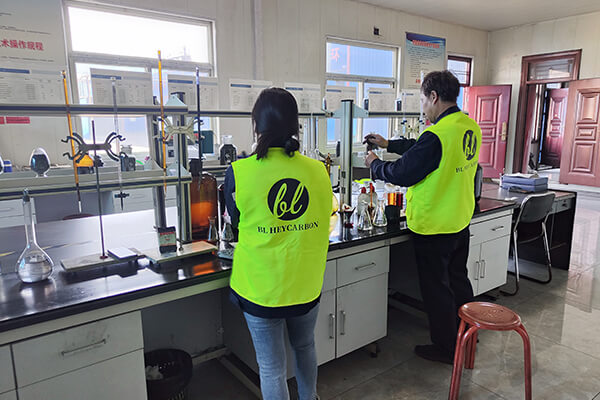
- Each batch of activated carbon undergoes multiple mixing tests to ensure quality. It also supports any form of third-party testing for customers.
Call Us
+86-180 3788 5195
Our Email
info@heycarbons.com
Steps to Customize Heycarbons Activated Carbon Wine Purification
Consultation
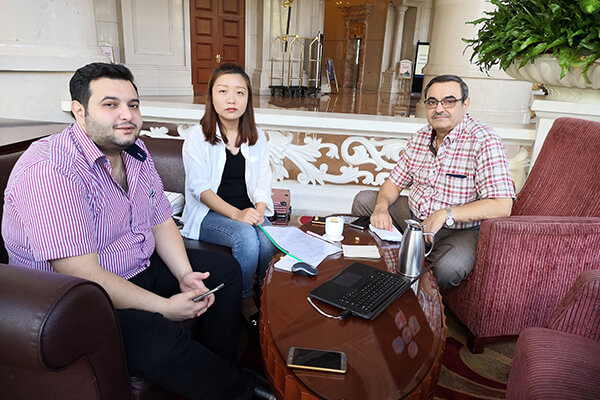
By understanding your needs and requirements, our salesmen work with you to submit the appropriate activated carbon solution.
Quotation
Heycarbons expert customer service will provide you with a free quote based on your requirements as well as product specifications and quantities.
Production
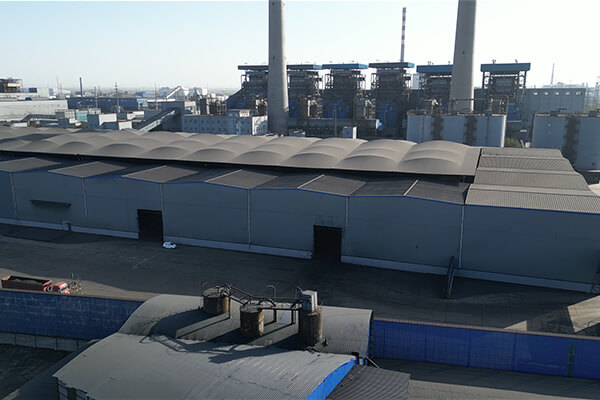
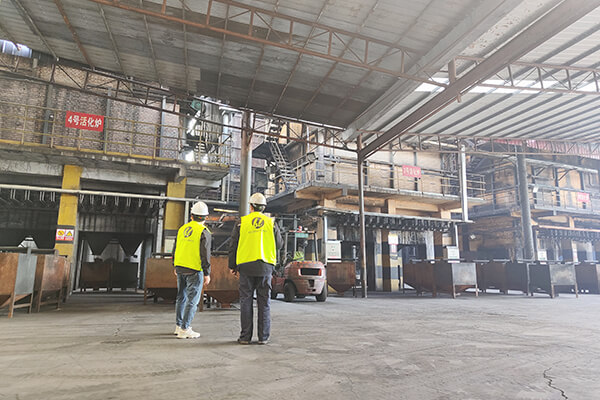
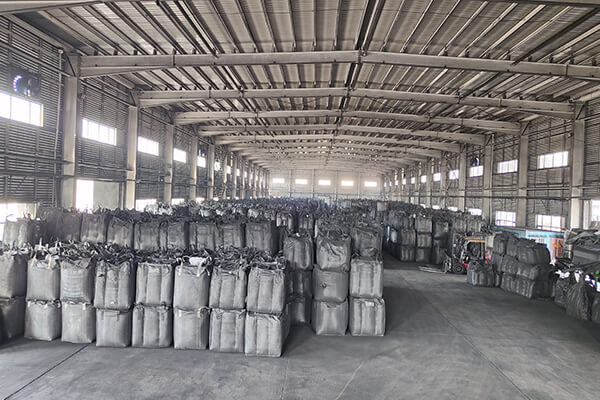
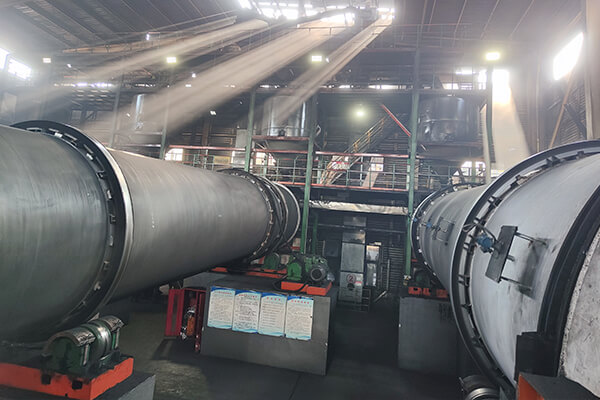
Heycarbons has sufficient inventory and strong production capacity, and will report production progress to you from time to time.
Shipping
Heycarbons know you need to receive the product as soon as possible, after rigorous quality checks and protective packaging, by fedex shipping.




Are You Looking for Activated Carbon Manufacturers for Wine?
Contact us for design assistance, free quote, and expert advice today.
Your inquiry will be replied within 24 working hours, and we respect your privacy.
You will get a quote in 24 hours