Activated Carbon For Starch Sugar Decolorization Heycarbons Manufacturer From China
- Over 20 years of industry experience in activated carbon for starch sugar decolorization.
- Can adsorb a variety of pigment molecules and impurities, with high decolorization efficiency.
- Annual output 18000 tons.
- 16pcs Production Patents.
- Customized products and services, professional application solutions.
What is the Use of Activated Carbon in the Augar Industry?
Starch Sugar Introduction
Starch sugars come from a variety of sources, primarily potatoes and grains, each with distinct characteristics.
Potatoes
Potatoes: High viscosity, high transparency, low gelatinization temperature, good film-forming properties, and low protein content.
Higher price and prone to discoloration during processing.
Cassava: Starches and sugars are whiter in color, with a pure, neutral flavor and no off-flavors. It is non-GMO.
Cassava supply is seasonal, and by-product revenue is relatively low.
Sweet potatoes: High in amylose (favorable for producing resistant starch), low raw material cost.
Processed products are relatively limited in form, and contain polyphenols, which can easily discolor the starch.
Cereals
Wheat: Gluten (a high-value byproduct) can be obtained.
It has a high protein content, but starch extraction is difficult.
Rice: Small starch granules, mild texture.
Usually uses broken rice, which has a limited starch yield.
Corn: The starch has high purity, high viscosity and strong stability.
Corn is genetically modified.
The ingredients of the raw materials (such as corn and cassava) themselves and the chemical reactions during processing will introduce a series of impurities and pigments that affect the appearance and quality of the product.
Therefore, in order to produce pure, transparent, and colorless starch sugar, activated carbon is required to decolorize and remove impurities such as HMF and Fe.
Why Use Activated Carbon for Starch Sugar Decolorization?
The decolorization of starch sugar by activated carbon is mainly physical adsorption. Activated carbon has a huge specific surface area and well-developed pores. The pigment molecules are adsorbed in the pores of the activated carbon, thereby achieving separation from starch sugar.
Structural characteristics of activated carbon
Huge surface area: Activated carbon is made from carbon-containing materials (such as wood and coal) that have been carbonized and activated at high temperatures. This process creates countless tiny pores, giving one gram of activated carbon a total surface area of 500 to 1,500 square meters, providing numerous “sites” for adsorption.
Well-developed pore structure: Activated carbon contains micropores, mesopores, and macropores. The pigment molecules in the starch-sugar solution (such as melanoidins, caramel pigments, tannins, phenolics, etc.) have a moderate molecular weight and can be effectively captured by the mesopores and some macropores.
Adsorption process
Van der Waals forces: Pigment molecules are firmly adsorbed to the activated carbon surface through intermolecular forces.
Chemical adsorption: The activated carbon surface contains oxygen-containing functional groups (such as carboxyl and phenolic hydroxyl groups), which can chemically react with certain polar pigment molecules or impurities, thereby removing them.

Special Applicability for Starch Sugar Solutions
The difference in molecular size between starch sugar and pigment is the key to achieving selective decolorization.
Pigment molecules: These are typically complex, large-molecular-weight organic compounds (such as polyphenols, carotenoids, and Maillard reaction products), whose molecular size matches the mesopores of activated carbon.
Starch sugar molecules: Such as glucose and maltose, are carbohydrates with small molecular weights and simple structures. Their small molecular size allows them to primarily enter the micropores of activated carbon, but the number of micropores is limited, and their affinity for activated carbon is relatively weak.
Selective Adsorption: Due to these size differences, the activated carbon’s “mesopore network” tends to capture and accommodate larger pigment molecules, while allowing most starch sugar molecules to pass through, achieving efficient decolorization while minimizing sugar loss.
Activated Carbon Types for Starch Sugar Decolorization
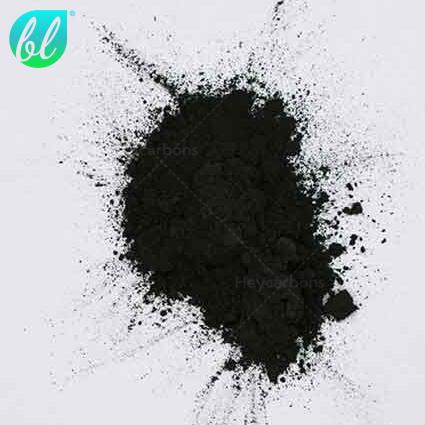
Wood Powdered Activated Carbon for Starch Sugar Decolorization
Heysorbcarb®-HEYWPAC is a wood powdered activated carbon that can decolorize starch sugar.
Wood powder activated carbon is made from high-quality natural sawdust. Using advanced equipment and scientific processes, it undergoes a series of refinement steps, including sawdust screening, phosphoric acid mixing, high-temperature carbonization and activation, and rinsing.
This product features a large surface area, strong adsorption capacity, and fast filtration speed. Heycarbons provides the following reference specifications:
- Size: 100, 200, 325 mesh
- Iodine value: 800-1050 mg/g
- Methylene blue: 140-320 mg/g
- Caramel: 100-150%
- Bulk density: 0.35-0.45 g/cm3
- Ash: 4-7%
Wood activated carbon page
In addition to wood powder activated carbon, coal-based granular carbon can also be used for starch sugar decolorization.
Acid-washed Coal Granular Activated Carbon for Starch Sugar Decolorization
Heysorbcarb®-HEYGAC is an acid-washed coal granular activated carbon that can decolorize starch sugar.
Below are the specifications of acid-washed coal-based granular activated carbon used by a Heycarbons’ customer for starch sugar decolorization, for your reference:
- Acid-washed coal-based granular activated carbon
- 12*30,8*30 mesh(customized)
- Iodine value 900-1050mg/g
- Ash content 10% max
- Moisture content 5% max
- pH 6.5-8.5

Coal activated carbon page
Acid-washed activated carbon page
Activated Carbon for Starch Sugar Decolorization Customer Case
A Thai client’s company produces starch sugar products products using cassava as raw material, using enzymes and water electrolysis to produce a monosaccharide solution.
Two specifications of activated carbon required by the customer:
Wood powdered activated carbon
- Methylene blue value: 15-18ml/0.1g min.
- PH: 2-4
- Ash: 5% max.
- Fe content: 0.05 max.
Acid-washed coal granular activated carbon
- 12-30 mesh
- Iodine value: 980 mg/g
- Ash: 10% max.
- pH 5-7
Heycarbons can customize activated carbon materials and parameters based on specific customer requirements.
Activated Carbon for Starch Sugar Decolorization Process Flow
The complete starch sugar decolorization and purification process is generally as follows:
Starch saccharification liquid → Pretreatment (filtration, pH adjustment) → First decolorization (powdered activated carbon) → Filtration → Ion exchange → Second decolorization (acid-washed granular activated carbon) → Evaporation and concentration → Finished product
1. Pretreatment
Filtration: First, use a plate and frame filter press or other filter press to remove large impurities such as proteins, colloids, and insoluble fibers from the sugar solution to prevent them from clogging the pores of the activated carbon.
pH Adjustment: Adjust the pH of the sugar solution to 4.0-5.0 (weakly acidic). This pH range is most conducive to the adsorption of pigments (such as caramel color and Maillard reaction products) by the activated carbon, while also reducing sugar degradation.
2. Decolorization Operation
Powdered activated carbon decolorization
In a stirred decolorization tank, mix the predetermined amount of powdered activated carbon with the preheated sugar solution (approximately 70-85°C).
Stir and react at this temperature for 20-40 minutes.
After completion, the activated carbon is removed using a plate and frame filter press or vacuum drum filter, resulting in a preliminarily decolorized sugar solution.
Acid-washed Granular Activated Carbon Decolorization
The preliminarily decolorized and ion-exchanged sugar solution is pumped into an adsorption tower filled with acid-washed granular activated carbon.
The sugar solution flows through the carbon bed from top to bottom or bottom to top, continuously adsorbing the pigments.
Typically, two or three towers are operated in series. When the first tower is saturated, a backup tower is switched, and the activated carbon in the saturated tower is removed for regeneration.
Advantages of Activated Carbon for Starch Sugar Decolorization
- Wood powdered activated carbon is produced using a zinc chloride chemical process. It features well-developed medium-to-large porosity, high adsorption capacity, and fast filtration rates.
- The pH of wood powdered activated carbon can be adjusted based on the pH of the solution itself, achieving optimal decolorization results.
- Coal-based granular activated carbon offers excellent adsorption capacity, high wear resistance, and mechanical strength, maintaining stable performance during continuous decolorization.
- This structural stability ensures a long service life for coal granular activated carbon, reducing replacement frequency and improving decolorization efficiency.
- Heycarbons activated carbon can effectively remove pigments and impurities, and improve the taste and odor of starch sugar solutions. The process is mature and easy to operate.
Key Factors Affecting the Decolorization Effect of Activated Carbon on Starch Sugar
Temperature: The optimal range is generally 70-85°C. Increasing the temperature accelerates molecular motion and increases the adsorption rate; however, excessively high temperatures (>90°C) may cause the sugar solution to caramelize, producing new pigments and potentially desorbing already adsorbed impurities.
pH: As mentioned above, a slightly acidic environment (pH 4.0-5.0) is optimal. Alkaline conditions are not conducive to the adsorption of most pigments.
Contact Time: Sufficient stirring or flowing contact time (usually 20-60 minutes) is required to allow pigment molecules to fully diffuse into the pores of the activated carbon and be adsorbed.
Activated Carbon Dosage: The optimal dosage is determined based on the initial and target color values of the sugar solution. Laboratory tests are typically conducted to determine the optimal dosage. Insufficient addition will result in incomplete decolorization; excessive addition will not only increase costs but may also adsorb some sugars.
The quality of activated carbon: its iodine value, methylene blue value and other indicators reflect its adsorption capacity. It is necessary to choose food-grade activated carbon that is specially used for decolorization of sugar solution and has low impurity content.
Custom Heycarbons Activated Carbon Solution For Starch Sugar Decolorization
Heycarbons provides a full range of activated solutions at competitive prices.
What Clients Say on Our Activated Carbon
Customized Heycarbons Activated Carbon
Heycarbons has proudly served the activated carbon industry with high-quality products since 2005, Heycarb can customize activated carbon for your starch sugar decolorization project.
- Customized activated carbon in different materials and shapes according to different requirements.
- Customized size, iodine value, methylene blue, PH, ash, caramel value, etc.
- Cost-effective solutions customized according to customer applications.
Call Us
+86-180 3788 5195
Our Email
info@heycarbons.com
Steps to Custom Activated Carbon For Starch Sugar Decolorization
Consultation
By understanding your needs and requirements, our salesmen work with you to submit the appropriate activated carbon solution.
Quotation
Heycarbons expert customer service will provide you with a free quote based on your requirements as well as product specifications and quantities.
Production
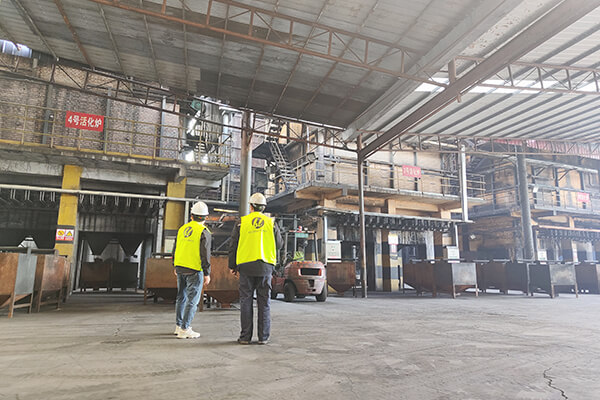
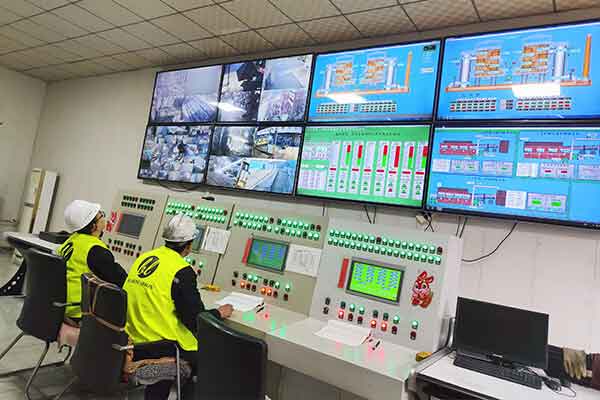
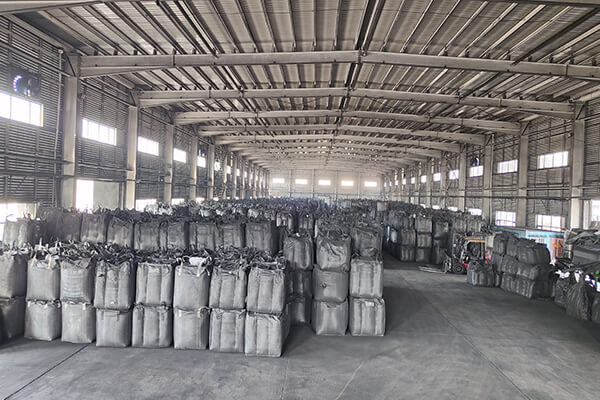
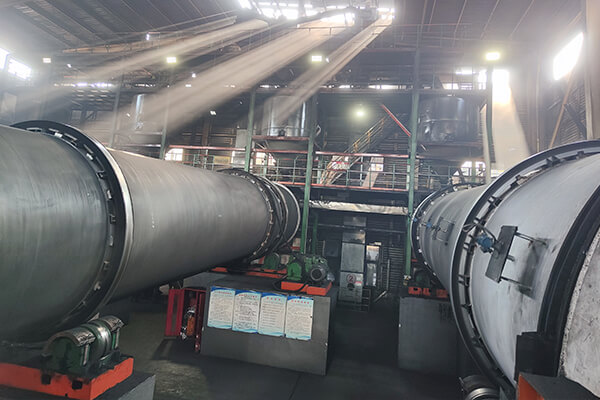
Heycarbons has sufficient inventory and strong production capacity, and will report production progress to you from time to time.
Shipping
Heycarb know you need to receive the product as soon as possible, after rigorous quality checks and protective packaging, by fedex shipping.
Heycarbons Activated Carbon FAQs
Heycarb provides on demand activated carbon solutions worldwide, product quality and customer service are highly rated by our partners and customers.
- Testing of selected raw materials
- Comprehensive display and monitoring of production temperature and time
- Sampling inspection of finished products
- Support any form of third-party testing , such as SGS
1. T/T Deposiit + Balance against copy of B/L
2. L/C
3. T/T deposit + L/C for balance
1. If necessary, the technician can go to the site to guide .
2. Order goods are consistent with the sample and TDS
3. Any quality problems occur, the seller will provide solutions within 24 hours.
4. If the package is damaged due to the seller’s negligence, resulting in a shortage of goods,
the seller should make compensation based on mutual agreement.
For customers’ trial orders, we actually do not have a specific MOQ, any amount is acceptable.
We have to choose a cost-effective transportation method and quantity based on your specific situation.
Normally , 5-7days , also depend on quantity
Yes, we provide samples for free.
Normally 25kgs/bag , 20kgs/bag , 500kgs/bag , black bag
Support any OEM drawing design bag .


Are You Looking for Heycarbons Activated Carbon Manufacturers for Sucrose Decolorization?
Contact Heycarb for design assistance, free quote, and expert advice today.
Your inquiry will be replied within 24 working hours, and Heycarb respect your privacy.