Solvent Recovery Activated Carbon Solutions Heycarbons Manufacturer From China
You will learn about activated carbon for solvent recovery, treatment processes, desorption methods, product introductions, customer cases, applications and other solvent recovery methods.
Table of Contents
- What is Activated Carbon for Solvent Recovery?
- Process of Using Activated Carbon For Solvent Recovery
- Three Desorption Methods of Activated Carbon Solvent Recovery
- Heycarbons Activated Carbon For Solvent Recovery Product Introduction
- Solvent Recovery in Adhesive Tape Factory Customer Case
- Solvent Recovery Activated Carbon Application Areas
- Application of Activated Carbon Solvent Recovery Technology
- Other Solvent Recovery Methods
What is Activated Carbon for Solvent Recovery?
What is the solvent?
Organic solvents are widely used in industrial production, such as in rubber, adhesive tape, plastic, textile, printing, paint, military industry and other fields.
Organic solvents are mainly used to dissolve certain substances in the production of products, but they need to be removed after the product is formed, so a large amount of organic waste gas is generated. The large-scale and uncontrolled emission of organic waste gas increases production costs, pollutes the environment and causes accidents.
Therefore, recycling and utilizing organic waste gas can not only ensure safe production and purify the environment, but also reduce production costs. It is an important part of chemical production.
What does activated carbon absorb-Several common solvents and their sources
In the petrochemical industry, printing industry, synthetic resin industry, rubber industry, etc., a relatively limited number of solvents are often used.
Those cited below are typical solvents utilized in various industrial sectors that can be recovered using activated carbon.
- Film and flake production: ether, acetone, butanone, alcohol, tetrahydrofuran, dichloromethane;
- Printing industry: toluene, benzene, trichloroethylene, hexane;
- Metal degreasing: trichloroethylene, trihelium ethane, perchloroethylene;
- Rubber industry: gasoline, benzene, toluene;
- Rayon and viscose yarn production: carbon disulfide;
- Purification of chemical reagents: perchloroethylene, fluorinated hydrocarbons;
- Production of artificial leather and synthetic fibers: alcohol, ketone, hexane, toluene, ether, formyl dimethylamine;
- Production of glues and adhesives: gasoline, hexane, toluene.
How Activated Carbon Works?
Activated carbon has a highly porous structure and a large specific surface area that can effectively capture and retain solvent molecules. Therefore, activated carbon is most suitable for organic waste gas purification, and when its adsorption reaches saturation, it can be regenerated with water vapor to recover useful components.
Its adsorption mechanism is mainly categorized into physical adsorption, which adsorbs molecules through van der Waals forces and electrostatic forces, and chemical adsorption, which forms stronger bonds through chemical reactions.
| adsorption mechanism | descriptive |
| physical adsorption | Weaker bonding through van der Waals force action |
| chemisorption | High adsorption energy due to strong bonding through chemical reaction |
Activated carbon adsorption is effective for low concentrations of solvents and for almost all solvents. Especially in the activated carbon adsorption method for low concentration solvents, it can be purified to the mg/kg level relatively easily. This tendency shows the superiority of the activated carbon adsorption method in recycling for the purpose of combating public hazards.
You will get a quote in 24 hours
You will get a quote in 24 hours
Process of Using Activated Carbon For Solvent Recovery
How does activated carbon adsorption work?
The activated carbon adsorption method is used for solvent recovery, which is to use the excellent adsorption properties of activated carbon to adsorb and remove organic vapor and purify the air by passing organic solvent vapor into the activated carbon adsorption tower.
The activated carbon saturated with adsorption can be regenerated by water vapor, and the regenerated activated carbon can be recycled.
The process of activated carbon solvent recovery mainly consists of the following 4 basic stages.
1. Adsorption: The adsorption process can continue from the activated carbon layer to the outlet of the adsorption zone, so that it reaches the limit of the venting concentration.
2. Desorption: The adsorption saturated activated carbon is regenerated by water vapor at 120~140℃; for high boiling point solvents, it is necessary to increase the vapor’s temperature.
For desorption, an extractive elution portion of the solvent can be used until the final temperature of the carbon layer. For solvents that decompose easily, the desorption process requires caution.
Some require additional heating device in the activated carbon layer, which reduces the amount of vapor used and increases the concentration of condensate. The steam used is partly for desorption and partly for elution.
For wet activated carbon, the amount used for desorption and elution will be different because a lot of energy is required to desorb the water adsorbed by the activated carbon.
In most cases, vapor desorption for 30~40 minutes is sufficient, but 60 minutes is rarely seen. In part, this is related to the humidity of the vapor used.
3. Desiccation: At the end of the desorption process by vapor displacement, the pores of the activated carbon and the gaps between the carbon particles are saturated with water vapor.
This greatly reduces the adsorption of large quantities of solvents in the secondary cycle. Therefore, the carbon layer should be dry, which is usually accomplished with hot air and dry vapor.
4. Cooling: After drying, the activated carbon layer is cooled down to at least 40°C. The contact of the solvent with the hot carbon can lead to an exothermic reaction of cracking or oxidation.
In the limit, these exothermic reactions can cause local overheating and spontaneous combustion of the carbon layer. The relationship between the consumption of cold air and the structure of the adsorber is that 1t of activated carbon requires 50~200m³ of cold air.
Adsorption operating conditions: Since the operating conditions of the activated carbon filling layer vary depending on the type of activated carbon, especially the specific surface area of the adsorption pores, pore size distribution, filling layer height, filling method, original gas conditions, etc., it cannot be discussed according to a single condition.

You will get a quote in 24 hours
You will get a quote in 24 hours
Three Desorption Methods of Activated Carbon Solvent Recovery
Steam desorption
Steam desorption is a process that uses low-pressure dry steam (hot steam without too much water) to “drive” the solvent off the activated carbon. In simple terms, it is:
Hot steam + saturated activated carbon → Steam takes away the solvent → Condensation separation → Recover the solvent for reuse
Process characteristics:
- Moderate temperature, will not destroy the activated carbon structure.
- Economic and environmentally friendly, more energy-efficient than other heating methods.
- Highly efficient recovery, can recover more than 90% of the solvent.
- Sustainable operation, usually equipped with multiple adsorbers (carbon beds), running in turns to achieve continuous operation;
Inert gas desorption
Inert Gas Desorption is a process that uses heated inert gas (usually nitrogen) to “blow off” the solvent adsorbed on activated carbon. This process does not require water vapor, thus avoiding the risk of water or oxygen reacting with the solvent.
Heating nitrogen + saturated activated carbon → Inert gas flow carries solvent → Cooling and condensing to recover solvent
Process characteristics:
- High recovery quality, can effectively maintain the chemical stability and purity of the solvent.
- The process is safer and does not produce oxidation side reactions or water contamination.
- The scope of application is small but critical, dedicated to easily degradable or sensitive solvents.
Hot air regeneration
Hot air regeneration is a process that desorbs organic pollutants adsorbed by activated carbon and burns them as fuel instead of recovering the solvent. This process converts low-concentration waste gas that is difficult to handle into heat or electricity, achieving the dual goals of pollution control and energy recovery.
Hot air + saturated carbon bed → organic matter is blown off → enters the oxidation device for combustion → converted into heat or electricity
Process characteristics:
- Applicable to complex solvent waste gas, such as waste gas containing multiple VOCs, which is difficult to separate and recover.
- Improve the overall energy utilization efficiency, and waste gas becomes energy, which can be used for heating and power generation in the factory.
- Intermittent operation, hot air can be sent to the oxidation device for batch treatment after desorption.
- Environmentally friendly and efficient, achieving the dual goals of pollution control and energy recovery.
You will get a quote in 24 hours
You will get a quote in 24 hours
Heycarbons Activated Carbon For Solvent Recovery Product Introduction
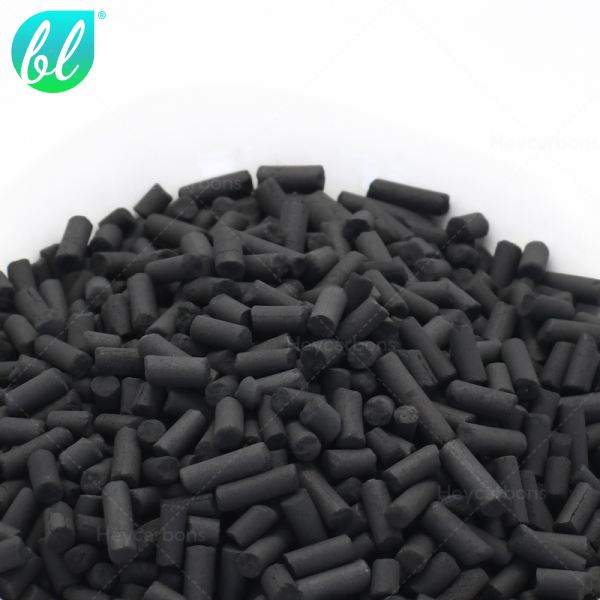
Coal/Coconut/Wood pelletized activated carbon can be used for solvent recovery. The following will introduce the different characteristics of the three, so you can choose the most suitable product for your solvent recovery business.
| Raw Materiels | Coal | Coconut | Wood |
|---|---|---|---|
| SIze | 1.5, 2, 3, 4, 5mm | 1.5, 2, 3, 4, 5, 6mm | / |
| Hardness | 98%, 99% | 98%, 99% | 98%, 99% |
| CTC | 60%-100% | 60%-100% | 60%-100% |
| PH | 8-11 | 8-11 | 8-11 |
| Ash | 6%max, 8%max, 10%max, 12%max | ||
Notice: Activated carbon size can be customized according to your requirements.
You will get a quote in 24 hours
Different product features
- Wood pelletized activated carbon has the highest specific surface area.
- Coconut shell columnar activated carbon has low ash content and high strength.
- Coal pelletized activated carbon has high cost performance.
Pelletized Activated Carbon
Heycarbons is an excellent China solvent recovery activated carbon supplier. If you need solvent recovery activated carbon, please contact us. Our sales staff will provide professional advice, quality products and customized activated carbon for your business.
If you want to know more specific activated carbon for organic solvent recovery price, please contact heycarbons.
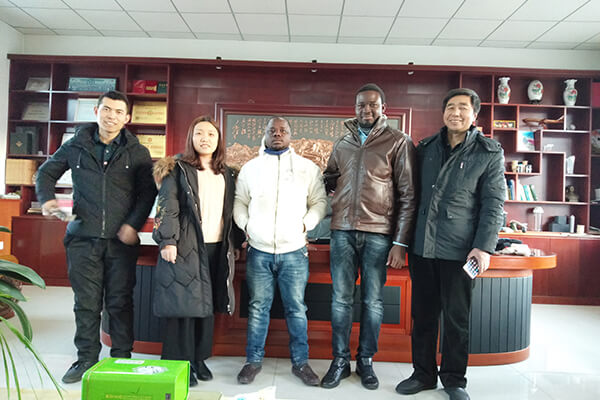
Solvent Recovery in Adhesive Tape Factory Customer Case
Wood Pelletized Activated Carbon for Solvent Recovery in Adhesive Tape Factories
An adhesive tape factory in Turkey uses a lot of VOCs organic solvents (such as toluene, ethyl acetate, acetone, etc.) during the production process. These solvents will evaporate into the air, causing resource waste and environmental pollution. Wood columnar activated carbon has a high specific surface area and rich microporous structure, which can effectively adsorb these organic solvents and realize solvent recovery and reuse.

Wood Pelletized Activated Carbon for Solvent Recovery Product Specifications
- CTC Adsorption: Min. 80 %
- Total Ash Content: Max. 10 %
- Ball Pan Hardness: Min. 98 %
- Moisture Content: as packed Max. 5%
- Bulk Density: Min 360 kg/m3
- Pellet Diameter Tolerance: 3.6 – 4.4 mm
- General Characteristics
- Surface Area: 1250 m2/kg
- Tapped Density: 350 – 400 kg/m3
- Filling Density: 300 – 340 kg/m3
- Pellet Diameter Tolerance: ±5%
On the basis of CTC of 80%, the customer required a large specific surface area. At the same time, the customer’s previous activated carbon had a phenomenon of chalking after multiple desorption in one and a half years, so our fully automatic visual batching system is needed to operate to meet the customer’s requirements of specific surface area and strength. The strength of our columnar activated carbon has been tested to be more than 98%.
This is our pelletized activated carbon quality control video:
You will get a quote in 24 hours
You will get a quote in 24 hours
Solvent Recovery Activated Carbon Application Areas
Through the steps of activated carbon layer adsorption, desorption, drying, cooling, etc., the purpose of recycling organic waste gas in rubber, tape, plastic, textile, printing, paint, military industry and other fields can be achieved.
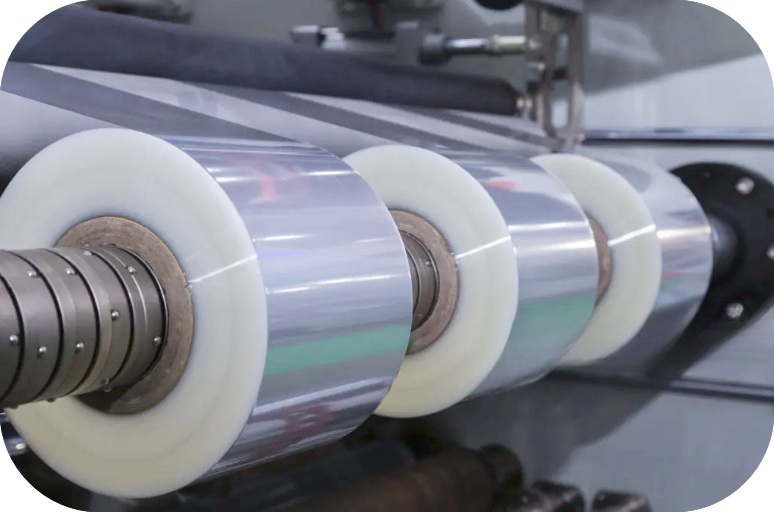
Adhesive Tape
The main gases adsorbed by activated carbon during solvent recovery in the production of adhesive tape factories are toluene, acetone, isopropanol, ethyl acetate, etc.
You will get a quote in 24 hours
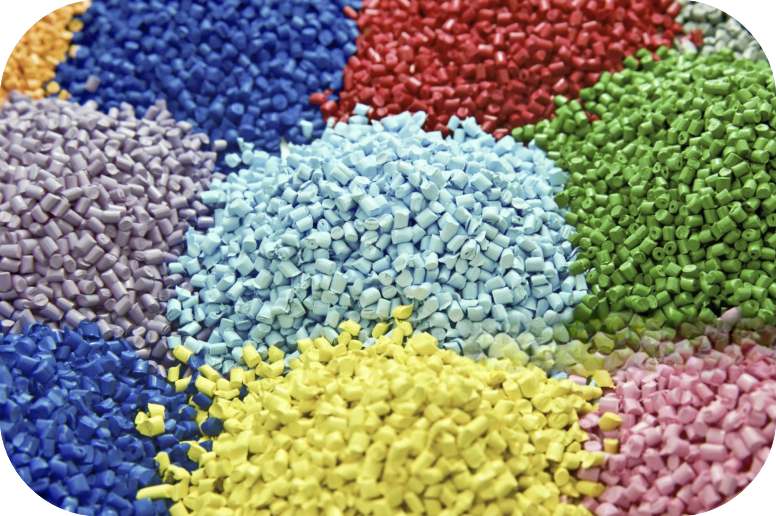
Plastic Manufacturing
In the production of plastics plants, the gases adsorbed by live activated carbon in the solvent recovery process are mainly toluene, methylene chloride, isopropanol, tetrahydrofuran (THF), ethyl acetate, etc.
You will get a quote in 24 hours
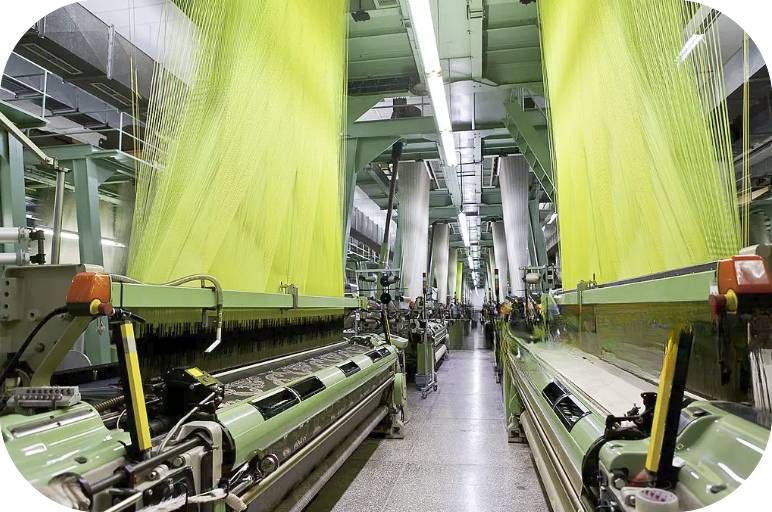
Textile Production
In textile mill production, the main gases adsorbed by activated carbon in the solvent recovery process are ethyl acetate, isopropyl alcohol and toluene etc.
You will get a quote in 24 hours
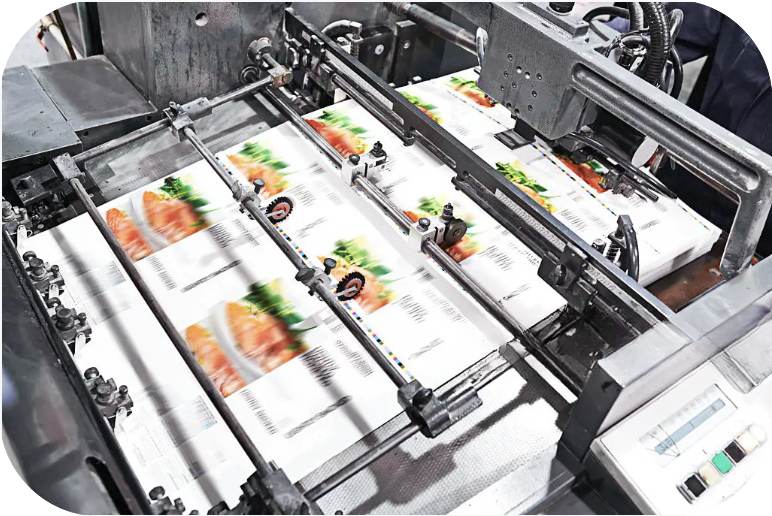
Printing Industry
In the production process of a printing plant, the gases adsorbed by activated carbon in the solvent recovery process are mainly ethanol, acetone, mineral oil, toluene and isopropanol etc.
You will get a quote in 24 hours
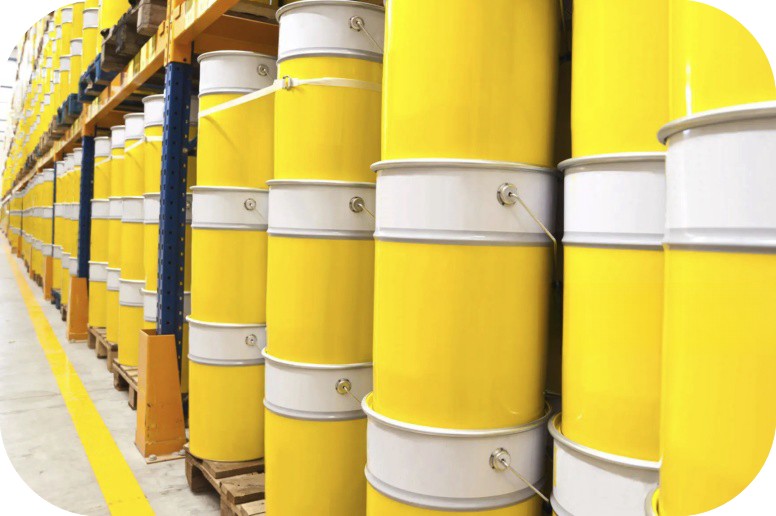
Paint Manufacturing
In the paint production process, the gases adsorbed by activated carbon in the solvent recovery process are mainly hydrocarbons, alcohols, ethers and ketones etc.
You will get a quote in 24 hours
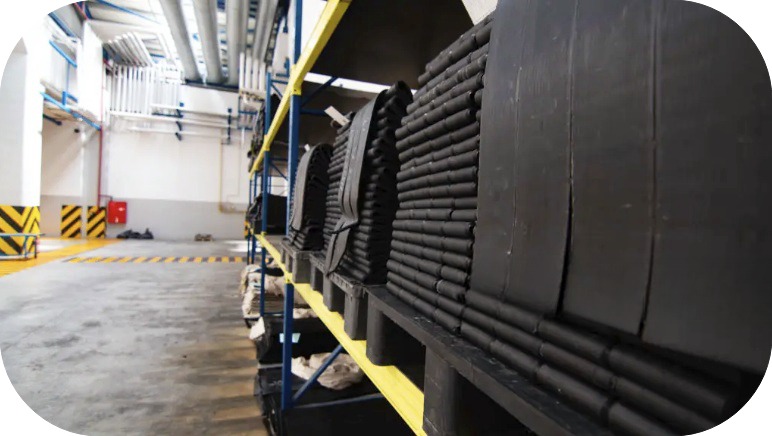
Rubber Manufacturers
In the rubber production process, the main gases adsorbed by activated carbon in the solvent recovery process are toluene, acetone and hexane etc.
You will get a quote in 24 hours
Application of Activated Carbon Solvent Recovery Technology
Activated carbon solvent recovery technology has been successfully applied in many industries such as printing, paint, rubber, tape, explosives, film, asbestos products, papermaking and synthetic fibers. And it has achieved significant social and environmental benefits.
For example, after adopting activated carbon recovery technology, a paper mill reduced solvent consumption by about 60% and gained an annual net profit of about 700,000 yuan, while the surrounding atmospheric environment was significantly improved;
After a pencil factory, a piano factory and other units adopted the newly developed activated carbon solvent recovery technology, the quality of the atmosphere in the working environment was significantly improved, and the content of benzene, toluene and other hazardous substances in the atmosphere was reduced from several hundred milligrams per cubic meter to several dozen milligrams per cubic meter, with a purification efficiency of 90%;
According to information, a chemical fiber factory uses activated carbon solvent recovery technology to recover carbon disulfide with a recovery rate of nearly 90%, which reduces air pollution, significantly improves the working environment, and reduces production costs.
At present, many industries in China have adopted activated carbon solvent recovery technology and recover more than a dozen solvents, effectively reducing air pollution and reducing production costs. The industries that use activated carbon solvent recovery and the situation of recovered solvents are detailed in the table below.
Table 3 Application scope of activated carbon solvent recovery technology | |
| Application scope | Recovered solvents |
| Explosive production | Ethanol, ether, acetone |
| Printing and ink | Xylene, toluene, benzene, ethanol, crude gasoline |
| Dry cleaning, metal degreasing | Gasoline, benzene, tetrafluoroethylene |
| Synthetic fiber production | Ether, ethanol, acetone, carbon disulfide |
| Rubber industry | Petrol, benzene, toluene |
| Celluloid | Ethanol |
| Film production | Ether, ethanol, acetone, dichloromethane |
| Paint production | Benzene, toluene, xylene |
| Foil production | Ether, ethanol, acetone, dichloromethane |
With the development of science and technology and the advancement of global industrialization, the use of solvents in various industries is becoming more and more widespread.
For example, synthetic resins, synthetic fibers, and the printing industry use a large number of aromatic solvents as well as alcohol and ester solvents, chlorocarbon solvents used in precision instrument manufacturing, and dichloromethane used in photographic film manufacturing.
The use of these solvents brings beneficial effects to industrialized production as well as environmental problems. Therefore, the prevention of solvent evaporation, recovery and harmless disposal of solvents will be necessary and essential from the perspective of environmental protection and energy conservation.
You will get a quote in 24 hours
You will get a quote in 24 hours
Other Solvent Recovery Methods
In activated carbon solvent recovery, adsorption, condensation and membrane separation are the three main technologies, each with its own unique advantages and application scenarios.
1. Adsorption
Adsorption utilizes the pore structure and high specific surface area of activated carbon to capture and retain solvent molecules.
| Adsorption type | descriptive | application scenario |
| physical adsorption | Van der Waals force adsorption, suitable for a variety of organic solvents | Commonly used in industrial waste gas and waste water treatment |
| chemisorption | Solvent molecules react chemically with the surface of activated carbon, resulting in a stronger bonding force | Efficient recovery of special solvents, e.g. benzene, alcohol solvents |
2. Condensation
Condensation is the process of converting gaseous solvents to liquid form by lowering the temperature to facilitate collection and recovery.
| Condensing method | descriptive | advantages and disadvantages |
| direct condensation | Condensation of solvents in gases directly through the cooling medium | Highly efficient and suitable for large-scale recycling |
| indirect condensation | Gas cooling through heat exchangers to reduce heat loss | Low energy loss, but high equipment cost |
3. Membrane separation
Membrane separation utilizes the properties of selective membrane materials to separate solvent molecules and other components with high efficiency and low energy consumption.
| Membrane Type | descriptive | Scope of Application |
| reverse osmosis membrane | Pressure-driven separation for recovery of water-soluble solvents | Water treatment and wastewater recycling |
| ultrafiltration membrane | Separates larger molecules, suitable for removing suspended solids and colloids | Food, beverage and pharmaceutical industries |
| nanofiltration membrane | Between reverse osmosis and ultrafiltration, suitable for the separation of small and medium molecules | Recovery of industrial solvents |
Adsorption, condensation and membrane separation each have different advantages and are suitable for different types of solvent recovery needs.
By combining these methods, companies can effectively improve the efficiency and economic benefits of solvent recovery. Choosing the right technology will help to realize the goal of sustainable development.
You will get a quote in 24 hours
You will get a quote in 24 hours
Custom Heycarbons Activated Carbon Solution For Solvent Recovery
Heycarbons provides a full range of activated solutions at competitive prices.
You will get a quote in 24 hours
Other Activated Carbon Solutions
Water Filter
Provide 8*16, 8*30, 12*40, 30*60, 50-150 mesh high iodine value low ash granular carbon for water treatment and water filter – CTO, UDF
Waste water Treatment
Supply of granular and powdered activated carbon for wastewater treatment to remove COD. BOD, heavy metals, organics, acid odors, hydrocarbons, color, etc.
VOCs Removel
Our activated carbon can help remove volatile organic compounds (VOCs) from the air by removing contaminants and impurities.
Gold Recovery
Provides high iodine 6-12, 5-10, 8-16mesh coconut shell granular carbon for gold mining. (CIP, CIL, CIC,)
Air Purification
We provide 4mm, 0.9-8mm pelleted and impregnated pellet activated carbon, and granular carbon for various exhaust gas treatment, vapor recovery, and VOCs removal. biogas H₂S removal, Cigarette filter, etc.
Solvent Recovery
Provide EAC carbon for high-end air purification or various gas solvent recovery, such as benzene toluene, Dichloro methane solvent recovery, tape factory solvent recovery, and others.
Catalyst Carrier
Special process adding Special substance Pellet (Extruded) activated carbon also named Catalyst activated carbons. used for acid gas treatment such as H₂S, water washing regeneration, and high strength.
Food Decolorization
Provide 8*16, 8*30, 12*40 mesh bituminous or briquetting activated carbon for food and water decolorization and purification, such as Sugar, MSG, Juice and wine, Edible oil, glycerin, Sewage decolorization, Corn starch sugar, amino acid, etc.
Steps to Customize Heycarbons Activated Carbon For Solvent Recovery
Consultation
By understanding your needs and requirements, our salesmen work with you to submit the appropriate activated carbon solution.
Quotation
Heycarbons expert customer service will provide you with a free quote based on your requirements as well as product specifications and quantities.
Production
Heycarbons has sufficient inventory and strong production capacity, and will report production progress to you from time to time.
Shipping
Heycarbons know you need to receive the product as soon as possible, after rigorous quality checks and protective packaging, by fedex shipping.



Are you looking for activated carbon solvent recovery manufacturers?
Contact us for design assistance, free quote, and expert advice today.
Your inquiry will be replied within 24 working hours, and we respect your privacy.
You will get a quote in 24 hours