
Heycarbons Activated Carbon Manufacturer For Seawater Desalination From China
Why Use Activated Carbon for Desalination to Produce Drinking Water?
In coastal countries and regions where freshwater resources are scarce, seawater desalination is a crucial means of addressing freshwater shortages, with activated carbon playing a key role in the pretreatment stage.
While activated carbon alone cannot complete seawater desalination, it serves as a vital pretreatment step in desalination systems (especially reverse osmosis technology), playing a crucial supporting role in producing safe and palatable drinking water.
1. Protecting the Core Membrane Element
The core of mainstream reverse osmosis seawater desalination technology is the extremely delicate reverse osmosis membrane. These membranes are highly susceptible to clogging or chemical degradation.
The TOC in seawater is usually 1–3 mg/L, which can cause fouling of RO membrane biofilm if not controlled.
In addition, organic matter, colloids, and residual chlorine (if previously treated with chlorination) in seawater can also cause:
- Fouling and Clogging of Membrane Pores: This leads to decreased water production and increased energy consumption.
- Oxidative Degradation of Membrane Materials: Residual chlorine irreversibly damages the reverse osmosis membrane.
Activated carbon efficiently removes these harmful substances, acting as a “protector” of the reverse osmosis membrane, significantly extending its lifespan and reducing operating costs.
2. Improving Water Quality and Taste
Even after desalination, trace amounts of unpleasant odors may still remain in the water. Activated carbon, as part of post-treatment (fine treatment), can further improve the taste and safety of the effluent, making it closer to or even better than conventional drinking water standards.
You will get a quote in 24 hours
You will get a quote in 24 hours
Granular Activated Carbon For Desalination Product
Coal-based granular activated carbon is suitable for RO pretreatment (dechlorination), while coconut shell (or nutshell) granular activated carbon is suitable for improving the taste of drinking water produced from seawater desalination.
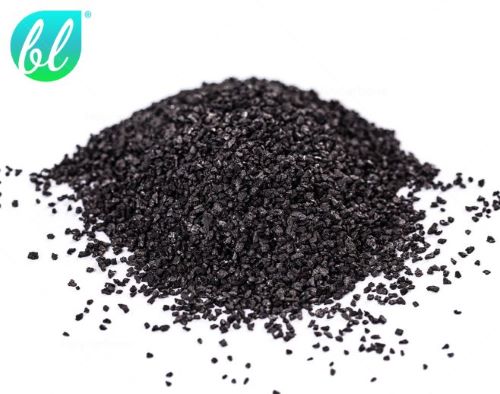
1 ) Coal Activated Carbon For Desalination Plant Intake Water Treatment
Coal-based granular activated carbon is suitable for RO pretreatment to remove residual chlorine and adsorb organic matter to reduce TOC. High cost performance and stable supply.
Technical parameters for coal-based granular activated carbon used in seawater desalination are as follows:
Coal GAC for seawater desalination specification
- Size: 8×30 mesh or 12×40 mesh
- Iodine Number: 800–900, 900-1000 mg/g
- Apparent Density: 0.48–0.55 g/ml
- Hardness: ≥92%
- Moisture: ≤5%
- Ash: ≤10% (the lower the better)
- pH: 6–9

2 ) Acid-washed Coconut Shell Activated Carbon For Drinking Water Treatment in Seawater Desalination
For the final taste treatment of drinking water, activated carbon from nutshell (especially coconut shell) is generally recommended, as it has high micropore ratio (more suitable for trace organic matter), low solubility, high iodine value, good mechanical strength, and low ash content. Whether or not acid washing is performed depends on customer needs.
Acid-washed coconut shell GAC for seawater desalination specification
- Size: 8×30 mesh
- Iodine Number: 1000–1100 mg/g
- Apparent Density: 0.45–0.52 g/ml
- Hardness: ≥95%
- Moisture: ≤5%
- Ash: ≤3%
- pH: 6–8
- Compliance: Suitable for drinking water treatment standards
- Recently, the market price of coconut shell activated carbon has been relatively high. Nut shell activated carbon can also be used for drinking water treatment.
You will get a quote in 24 hours
You will get a quote in 24 hours
Seawater Desalination Process (Including Activated Carbon Stage)
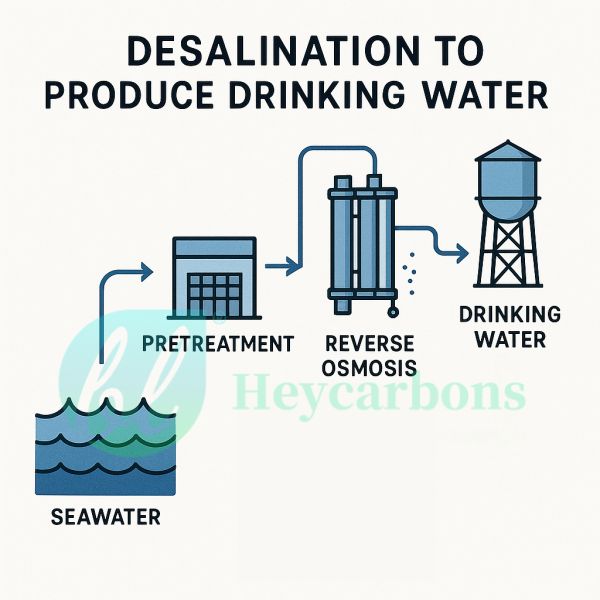
1. Preprocessing stage
This is the foundation of the entire process, with the core objective of protecting downstream core equipment, especially the reverse osmosis membrane, and ensuring stable system operation.
• Sterilization and Algae Removal
Large numbers of microorganisms, bacteria, and algae can proliferate in seawater and clog the system. This is typically achieved by adding chemical reagents (such as chlorine) or using a seawater sodium hypochlorite generator.
• Coagulation/Flocculation
By adding coagulants (such as FeCl₃), tiny colloids and suspended impurities in the seawater are aggregated and enlarged for subsequent removal.
Sometimes powdered activated carbon (PAC) is added, utilizing its adsorption properties to enlarge even smaller particles in the seawater, allowing them to be effectively retained by the subsequent microfiltration membrane, thus improving pretreatment efficiency.
• Multi-stage Filtration
Quartz Sand/Multi-media Filtration: Primarily uses quartz sand filters to remove larger suspended solids and silt from the water to reduce turbidity.
Activated carbon for desalination pretreatment: This is the crucial step where granular activated carbon (GAC) plays a key role. Activated carbon filters effectively remove organic matter, odors, and tastes from seawater in desalination process, and most importantly, remove TOC and residual chlorine (residual chlorine and other oxidizing substances can irreversibly damage reverse osmosis membranes).
Activated carbon filters are typically composed of a fiberglass tank. To protect downstream precision filtration elements, some systems are equipped with backwashing to restore the activated carbon’s filtration capacity and extend its service life.
2. Core Desalination Stage (RO Reverse Osmosis)
This is one of the mainstream and most energy-efficient seawater desalination methods currently available. Seawater is pressurized by a high-pressure pump, and salt is separated from water using a semi-permeable membrane that allows only water molecules to pass through.
This process requires no heating, resulting in relatively low energy consumption.
The aforementioned pretreatment, especially the use of activated carbon to remove residual chlorine and organic matter, is crucial for protecting the expensive reverse osmosis membrane.
3. Post-processing stage
Activated carbon in the post-processing stage of desalination to produce drinking water
Further enhance the taste and aroma
• While RO membranes remove the vast majority of organic matter and odor-causing substances, trace amounts of volatile organic compounds with very low molecular weights can permeate the membrane element.
• Post-activated carbon, acting as a “fine polishing” or “flavor control” unit, effectively adsorbs these trace contaminants, ensuring a crisp, odor-free drinking water. This is crucial for producing high-end bottled water or drinking water with extremely high taste requirements.
Removal of Trace Synthetic Organic Matter
For trace amounts of synthetic organic matter (such as pesticide residues and environmental pollutants) that may penetrate the pretreatment and RO membrane, post-activated carbon can provide additional safety assurance.
Mineralization
Water produced by processes such as reverse osmosis is highly pure but lacks minerals. Mineralization tanks (e.g., adding maifanite) can supplement freshwater with essential minerals and trace elements.
pH Adjustment and Stabilization
The pH of the output water can be adjusted as needed to meet drinking water or specific application standards.
You will get a quote in 24 hours
You will get a quote in 24 hours
Benefits of Activated Carbon in Seawater Desalination to Produce Drinking Water
1. Activated Carbon in the pretreatment stage (before the RO membrane)
In the pretreatment stage of seawater desalination, it is recommended to use coal-based granular activated carbon, which has high mechanical strength, low cost, and low iodine value requirements.
It can:
- remove residual chlorine (protecting the RO membrane)
- adsorb organic matter (reducing TOC)
- remove some odors and color, improve SDI (silt density index) stability
- reduce RO membrane fouling.
2. Activated Carbon in the post-treatment stage (drinking water stabilization)
In the post-treatment stage of seawater desalination, RO membrane produces very “clean” water, but it may have problems such as a bland taste, trace amounts of residual organic matter, and an acidic taste due to dissolved CO₂.
At this time, activated carbon can be used to:
- Improve taste (enhance the drinking experience)
- Remove trace amounts of organic matter and chloroform (if present)
- Remove odors that may originate from the water storage system (plastic/rubber smell)
At this stage, microporous activated carbon made from nutshell (coconut shell is the most common) is recommended because the drinking water industry typically desires low ash + low dust + high hardness + better taste adsorption performance.
You will get a quote in 24 hours
You will get a quote in 24 hours
Heycarbons Custom Activated Carbon Solution For Desalination
Heycarbons provides a full range of activated solutions at competitive prices.
You will get a quote in 24 hours
Customize Heycarbons Activated Carbon Seawater Desalination
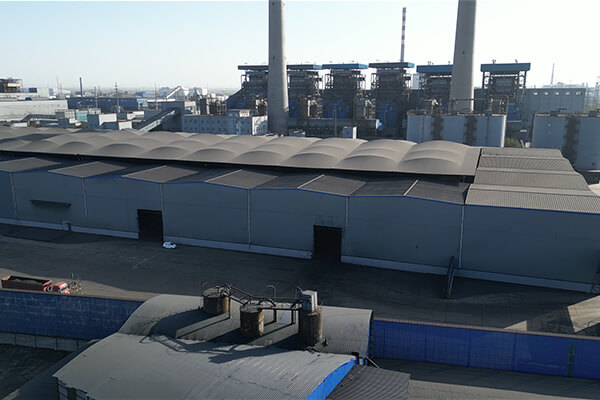
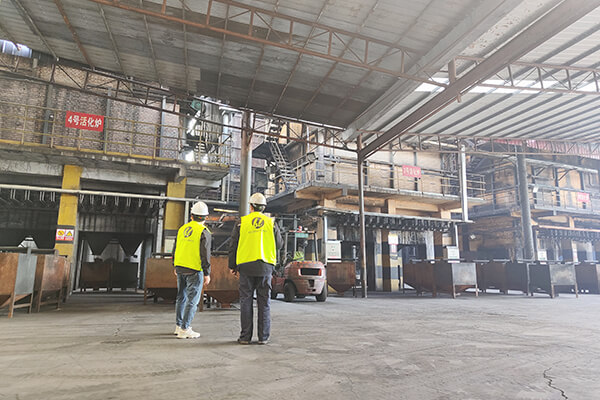
Heycarbons has proudly served the purification activated carbon industry with high-quality products since 2005, Heycarb can customize activated carbon for your seawater desalination project.
- Heycarbons customized package to promote your brand, and free design service.
- Customized size, CTC, iodine value, ash, pH, moisture, hardness, etc.
- Cost-effective solutions customized according to customer applications.
- China leading and professional supplier of activated carbon.
Call Us
+86-180 3788 5195
Our Email
info@heycarbons.com
FAQs of Activated Carbon For Seawater Desalination
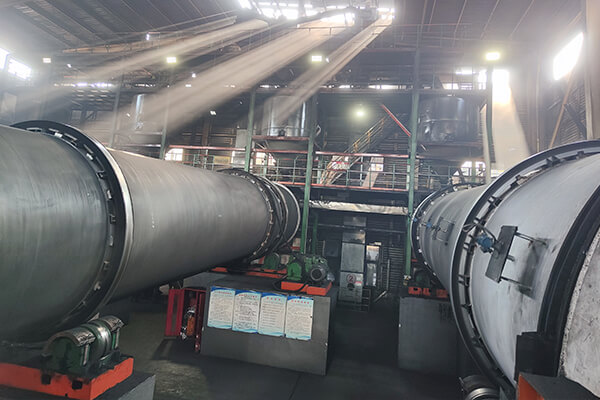
Heycarbons provides on demand activated carbon solutions worldwide, product quality and customer service are highly rated by our partners and customers.
- Testing of selected raw materials
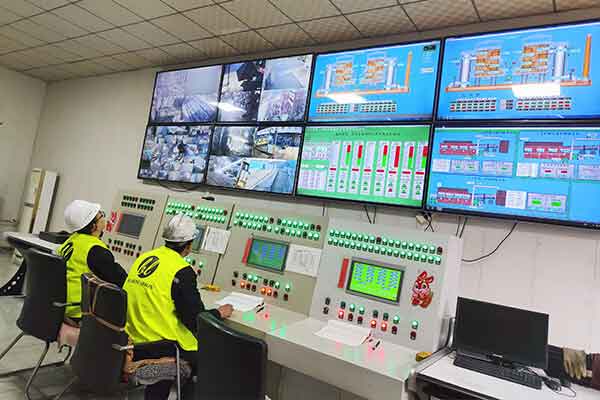
- Comprehensive display and monitoring of production temperature and time
- Sampling inspection of finished products
- Support any form of third-party testing , such as SGS
1. T/T Deposiit + Balance against copy of B/L
2. L/C
3. T/T deposit + L/C for balance
1. If necessary, the technician can go to the site to guide .
2. Order goods are consistent with the sample and TDS
3. Any quality problems occur, the seller will provide solutions within 24 hours.
4. If the package is damaged due to the seller’s negligence, resulting in a shortage of goods,
the seller should make compensation based on mutual agreement.
For customers’ trial orders, we actually do not have a specific MOQ, any amount is acceptable.
We have to choose a cost-effective transportation method and quantity based on your specific situation.
Normally , 5-7days , also depend on quantity
Yes, we provide samples for free.
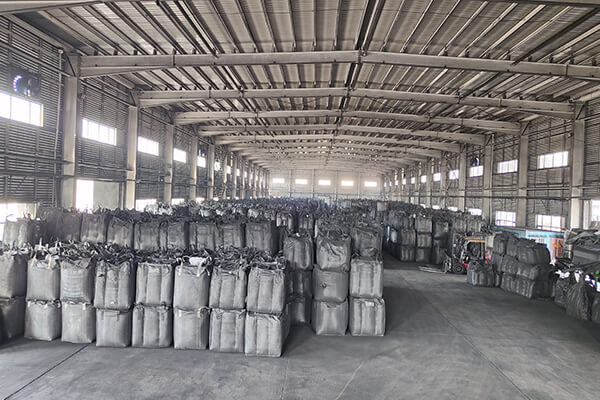
Normally 25kgs/bag , 20kgs/bag , 500kgs/bag , black bag
Support any OEM drawing design bag .
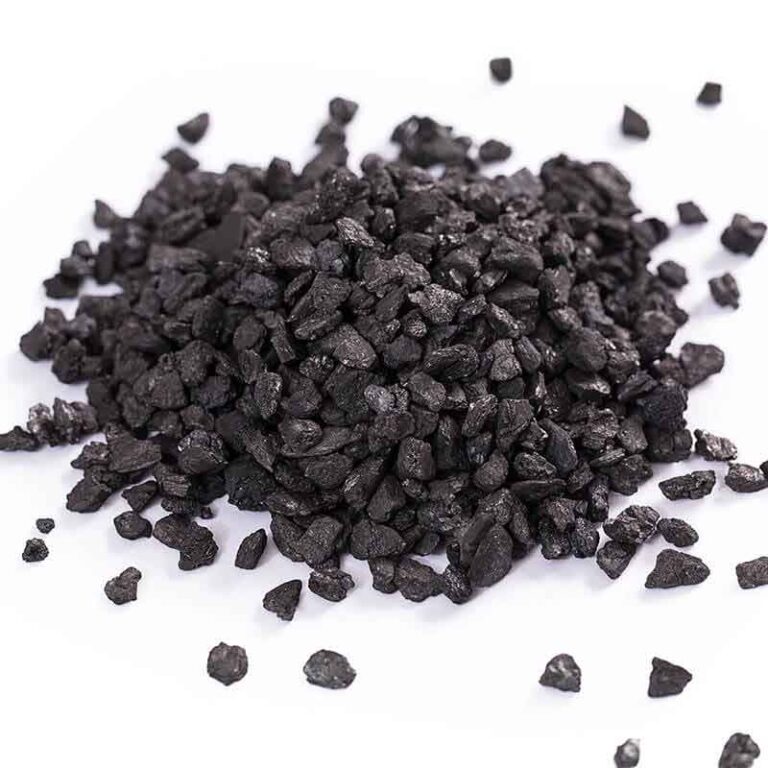

Steps to Custom Heycarbons Activated Carbon For Seawater Desalination
Consultation
By understanding your needs and requirements, our salesmen work with you to submit the appropriate activated carbon solution.
Quotation
Heycarbons expert customer service will provide you with a free quote based on your requirements as well as product specifications and quantities.
Production
Heycarbons has sufficient inventory and strong production capacity, and will report production progress to you from time to time.
Shipping
Heycarbons know you need to receive the product as soon as possible, after rigorous quality checks and protective packaging, by fedex shipping.
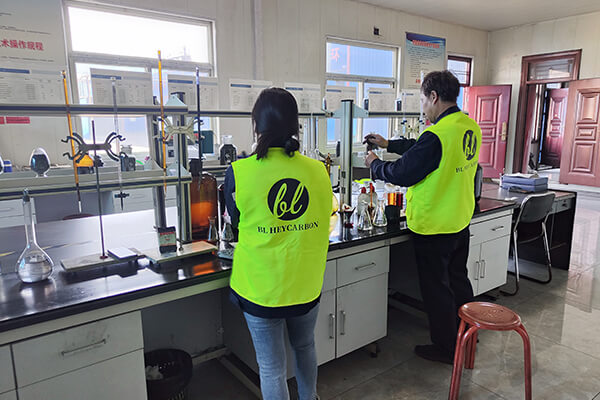


Are You Looking for Activated Carbon Supplier For Seawater Desalination?
Contact Heycarbons for design assistance, free quote, and expert advice today.
Your inquiry will be replied within 24 working hours, and Heycarbons respect your privacy.
You will get a quote in 24 hours