Activated Carbon For NOx Nitrogen Oxides Removal Heycarbons Manufacturer From China
Thermal power plants, industrial boilers, and automobile exhaust generate large amounts of NOx. Activated carbon, with its strong adsorption and purification capabilities, is the best choice for removing NOx. You’ll learn what nitrogen oxides NOx are, the sources, harmful effects; activated carbon for NOx adsorption principle , treatment processes, product types, and application scenarios in this article.
You will get a quote in 24 hours
What are Nitrogen Oxides NOx?
NOx (nitrogen oxides) is a general term for compounds composed of nitrogen and oxygen, primarily including nitric oxide (NO) and nitrogen dioxide (NO₂). They are pollutants with significant impacts on the atmospheric environment and are key precursors to photochemical smog, haze, and acid rain.
Nitrogen oxide emissions are highly concentrated, primarily from high-temperature combustion processes. Nitrogen (N₂) in the air is very stable at room temperature, but reacts with oxygen (O₂) at high temperatures to form NOx.
Nox emissions can be primarily categorized into two main sources: natural and anthropogenic. Anthropogenic sources are the primary cause of elevated NOx concentrations in urban and industrial areas.
Where do Nitrogen Oxides NOx Come from?
1. Fixed Sources
Power plants and industrial boilers: These are one of the most important emission sources. Coal-, oil-, or natural gas-fired power plants and boilers generate extremely high temperatures during operation, leading to the production of large amounts of thermal NOx.
Residential and commercial heating: Gas- or oil-fired boilers used for winter heating are also significant emission sources.
2. Mobile Sources
Road traffic: Diesel and gasoline vehicle engines are the primary source of NOx pollution in cities.
Non-road mobile machinery: The combustion of engines in construction machinery (excavators, loaders), agricultural machinery (tractors), ships, and aircraft also produces significant amounts of NOx.

3. Industrial Processes
Chemical Industry: Processes such as nitric acid production, fertilizer plants, petrochemical plants, and the synthesis of certain organic compounds all intentionally or unintentionally generate and emit NOx.
Metallurgical Industry: High-temperature processes such as steelmaking and coking also generate NOx.
Harmful Effects of NOx Nitrogen Oxides:
- Nitrogen oxides (primarily NO and NO₂) are the direct cause of a range of respiratory diseases and pose a serious threat to human health.
- Nitrogen oxides contribute to a range of environmental problems, including acid rain, haze, photochemical smog, and eutrophication of water and soil.
- NOx itself is a greenhouse gas and can chemically react to produce ozone (O₃), a potent, short-lived greenhouse gas that exacerbates global warming.
Therefore, controlling NOx emissions (particularly from motor vehicles and coal-fired power plants) is a core air pollution control task in many countries and regions around the world.
You will get a quote in 24 hours
You will get a quote in 24 hours
Does Activated Carbon Absorb NOx?
NOx adsorption principle on activated carbon
Activated carbon removes NOx not simply through physical adsorption, but rather through a three-pronged process of adsorption, catalysis, and reduction.
1. Physical Adsorption
Activated carbon has a large surface area and rich pore structure, allowing it to initially adsorb NOx molecules (primarily NO and NO₂) in exhaust gas onto its surface.
However, the pores of activated carbon are larger than those of nitrogen oxides, so physical adsorption of activated carbon is not very effective in capturing NO and NO₂, and thus cannot achieve effective purification. Therefore, chemical reactions or catalytic reactions involving modified activated carbon are required.
2. Impregnated Activated Carbon
Alkali impregnated activated carbon (KOH/NaOH) can remove nitrogen oxides through a chemical reaction.
The impregnated alkali (KOH, NaOH, or K2CO3) reacts with the adsorbed NOx through an acid-base neutralization reaction, fixing it in the pores. It can significantly improve the NOx saturation capacity of activated carbon.
The following example, using KOH, will demonstrate the chemical reaction between alkaline impregnated activated carbon and NOx.
The role of KOH (alkali) is to neutralize the corresponding acids (nitric acid and nitrous acid) of the nitrogen oxides, forming stable salts.
Step 1: NO₂ reacts with KOH (the most important and direct reaction).
If nitrogen dioxide (NO₂) is present in the flue gas, it reacts directly with KOH to form potassium nitrate (KNO₃) and potassium nitrite (KNO₂).
Chemical equation: 2NO₂ + 2KOH → KNO₃ + KNO₂ + H₂O
(Nitrogen dioxide + potassium hydroxide → potassium nitrate + potassium nitrite + water)
Step 2: Conversion of NO (must first be converted to NO₂).
Nitric oxide (NO) cannot react directly with KOH. It must first combine with oxygen (O₂) to form NO₂. This step is usually catalyzed by the activated carbon itself.
- Oxidation: 2NO₂ + O₂ → 2NO₂
- Neutralization: 2NO₂ + 2KOH → KNO₃ + KNO₂ + H₂O
Thus, the overall reaction of NO can be viewed as: NO + NO₂ + 2KOH → 2KNO₂ + H₂O
Including the oxidation step: 2NO + O₂ + 2KOH → 2KNO₂ + H₂O
Ultimately, both NO and NO₂ react with KOH to form salts, KNO₂ and KNO₃, which remain in the pores of the activated carbon, removing nitrogen oxides from the gas.
3. Catalytic Activated Carbon
CuO/Fe₂O₃/MnO₂ catalytic activated carbon can reduce NOx to N₂ using ammonia (NH₃) or urea at a certain temperature (100-200°C), utilizing its reducing surface and catalytically active sites. This is commonly used in low-temperature SCR technology.
Adding ammonia (NH3) can increase the number of oxygen- or nitrogen-containing functional groups on the surface of activated carbon, thereby increasing its affinity for polar molecules.
Activated Carbon Selective Catalytic Reduction (AC-SCR) Technology Introduction
Common Impregnants:
- Ammonia (NH₃) acts as a reducing agent, pre-injected into the flue gas.
- Activated carbon itself serves as a carrier, impregnated with catalytically active components, such as metal oxides (CuO, Fe₂O₃, MnO₂, etc.).
Principle of Operation (in the presence of ammonia):
1. Activated carbon first utilizes its reducing surface and catalytically active sites to oxidize NO to NO₂: 2NO + O₂ → 2NO₂
2. NO and NO₂ react with NH₃ on the activated carbon’s catalytic surface to produce harmless N₂ and H₂O.
- NO + NO₂ + 2NH₃ → 2N₂ + 3H₂O (This is the primary reaction path and is faster than the standard SCR reaction)
- 4NO + 4NH₃ + O₂ → 4N₂ + 6H₂O (Standard SCR reaction)
You will get a quote in 24 hours
You will get a quote in 24 hours
How to Remove NOx Gas?
Taking the removal of nitrogen oxides (NOx) from waste incineration power plants as an example, activated carbon is typically not the primary NOx removal process. Instead, it is used in conjunction with specialized denitrification technologies (such as SNCR/SCR) to achieve the combined removal of multiple pollutants within an integrated system.
The most typical and advanced process is the integrated activated carbon adsorption + SCR denitrification technology.
Activated Carbon Injection Adsorption + SCR Catalytic Reduction Denitrification (Integrated Technology)
This is a highly efficient purification solution that combines pollutant adsorption and catalytic reaction, commonly used to treat waste incineration flue gas with complex composition.
1. Core Principle
Activated Carbon Functions:
- Adsorption: Physically adsorbs pollutants such as dioxins, furans, and heavy metals (such as mercury) from flue gas.
- Catalysis: The activated carbon surface acts as a catalyst, promoting the selective catalytic reduction (SCR) reaction of ammonia (NH₃) with nitrogen oxides (NOx) at low temperatures.
- Assisted Desulfurization: Activated carbon also adsorbs some SO₂ and, in the presence of oxygen and ammonia, catalyzes the formation of ammonium sulfate.
SCR Reaction Principle:
Under the catalysis of activated carbon, ammonia (NH₃) injected into the flue gas reacts with NOx in the following manner:
- 4NO + 4NH₃ + O₂ → 4N₂ + 6H₂O (primary reaction)
- NO₂ + NO + 2NH₃ → 2N₂ + 3H₂O
2.Activated Carbon for Nitrogen Oxides NOx Process Flow
The entire system is located after the boiler economizer and before the induced draft fan. The flue gas flow is as follows:

1. Flue gas cooling and conditioning:
The high-temperature flue gas (approximately 200-250°C) from the boiler first passes through the economizer for heat recovery.
The flue gas may then enter a cooling tower/quench tower, where water spraying rapidly lowers its temperature to the optimal temperature window (typically 140-180°C) for activated carbon adsorption and SCR reactions. Low temperatures favor dioxin adsorption, but excessively low temperatures can cause condensation in the flue gas and corrode the equipment, thus requiring precise control.
2. Activated Carbon Injection:
At the cooling tower outlet or in the flue duct before the reactor, powdered activated carbon is evenly sprayed into the flue gas using a precision feeder and injection fan.
The injection rate is automatically controlled by the DCS system based on the flue gas pollutant concentration (especially dioxins and SO₂), flue gas volume, and the set removal efficiency.
3. Mixing and Initial Adsorption:
Activated carbon powder mixes thoroughly with flue gas in the flue, beginning to physically adsorb pollutants such as dioxins and heavy metals.
4. Ammonia Injection:
After the activated carbon injection point, ammonia (NH₃) produced by evaporating gaseous or liquid ammonia is evenly injected into the flue through an ammonia injection grid (AIG) to mix with the flue gas.
5. SCR Reactor (Core Unit):
Flue gas mixed with activated carbon and ammonia enters a moving bed or fixed bed SCR reactor.
A moving bed reactor is a common form of this process: the reactor is filled with granular activated carbon (preformed granules, unlike sprayed powder), forming a slowly moving bed.
Cooperative Pollutant Removal:
Denitrification (NOx): NOx in the flue gas reacts with NH₃ on the catalytic surface of the granular activated carbon, undergoing an SCR reaction, reducing it to harmless nitrogen (N₂) and water (H₂O).
Dioxin/Heavy Metal Removal: As the powdered activated carbon passes through the granular activated carbon bed with the flue gas, it is effectively trapped, capturing the dioxins and heavy metals it adsorbs. Simultaneously, the granular activated carbon bed itself continuously adsorbs these pollutants.
Desulfurization (SO₂): SO₂ reacts with NH₃ and O₂ on the surface of the activated carbon to form ammonium sulfate [(NH₄)₂SO₄] and other substances, which adhere to the activated carbon.
6. Activated Carbon Recycling and Regeneration:
Saturated granular activated carbon (adsorbed with pollutants and loaded with ammonium sulfate) discharged from the bottom of the reactor is fed into the regeneration tower.
In the regeneration tower, heating at approximately 400-500°C decomposes adsorbed organic matter such as dioxins, concentrates heavy metals, and decomposes the ammonium sulfate.
The regenerated activated carbon regains its activity and is returned to the top of the reactor via a conveyor system for recycling. Any lost activated carbon is replenished with fresh activated carbon.
Note: The injected powdered activated carbon is not recycled and is captured along with the fly ash in the subsequent dust collector.
7. Dust Removal:
The flue gas from the reactor carries a large amount of used powdered activated carbon and fly ash, which enter the bag filter.
Bag filters efficiently capture the dust, purifying it to meet emission standards.
The collected powdered activated carbon and fly ash are safely disposed of as hazardous waste.
You will get a quote in 24 hours
You will get a quote in 24 hours
Heycarbons Activated Carbon NOx Nitrogen Oxides Removal
Coal Pelletized Activated Carbon for Industrial Flue Gas Denitrification
Coal pelletized Activated carbon can be used for dry desulfurization and denitrification. It is widely used to adsorb and recover SO2 and NOx from high-temperature flue gases in industries such as photovoltaics, steel, and metallurgy.
Heycarbons uses a unique high-pressure molding process to produce coal-based columnar activated carbon, which offers high mechanical strength and adsorption capacity, providing customers with optimal solutions.
| Project | Specification |
|---|---|
| Available Particle Size | 5mm, 7mm, 9mm |
| Iodine value | 350mg/g min. |
| Moisture | 3% max. |
| Ash | 20% max. |
| pH | 9.5-11.5 |
| Bulk density | 550-650 kg/m3 |
| Abrasion resistance | 97% min. |
| Loaded | with Cu/Mn/Fe/Ce, etc. |
| Technical requirements can be customized according to customer standards. | |
Coconut Shell Activated Carbon for for Air Purification Denitrification
Coconut shell activated carbon (impregnated with KOH/ammonia compounds) is recommended for NOx removal from air purifiers or for indoor air purification.
Coconut shell activated carbon has a stronger ability to capture extremely low concentrations of harmful gases, and chemical impregnation can effectively treat NO2 from vehicle exhaust. However, coconut shell activated carbon is currently expensive; nut shells can be used as a substitute.
You will get a quote in 24 hours
You will get a quote in 24 hours
Application Scenarios of Activated Carbon for NOx Removal
Activated carbon is primarily used in the following complex and demanding scenarios:
- Municipal solid waste incineration power plants: This is the most classic application area. Incineration flue gas is extremely complex, containing all the aforementioned pollutants (dioxins, heavy metals, acid gases, and NOₓ), and activated carbon integrated technology is a practically tailor-made solution for this application.
- Steel sintering flue gas: Sintering flue gas has complex composition, high volatility, high humidity, and contains a variety of pollutants. Activated carbon dry integrated technology (such as China’s CSCR technology) is increasingly widely used in this area.
- Chemical and coking industries: Treatment of waste gas with unique composition and toxic and hazardous substances.
You will get a quote in 24 hours
You will get a quote in 24 hours
Custom Heycarbons Activated Carbon Solution For NOx Removal
Heycarbons provides a full range of activated solutions at competitive prices.
You will get a quote in 24 hours
Customize Heycarbons Activated Carbon For NOx Removal
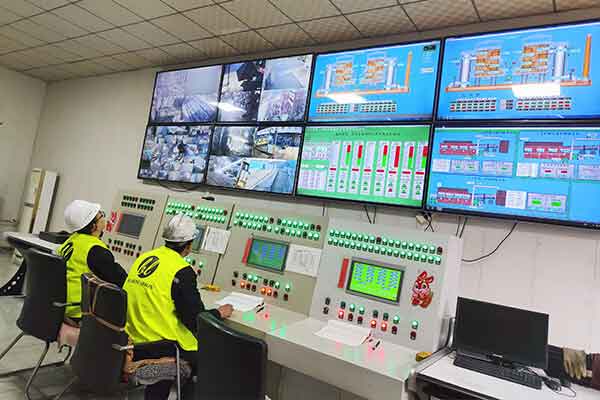
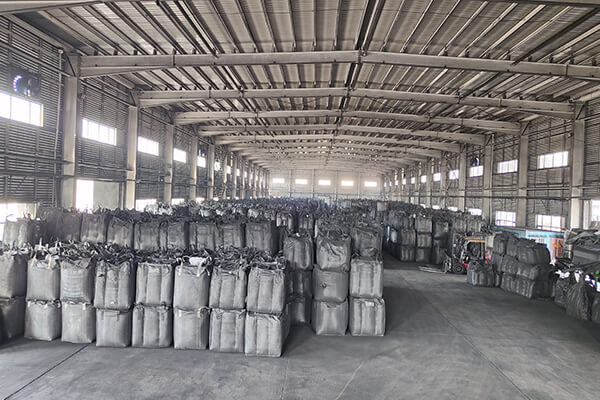
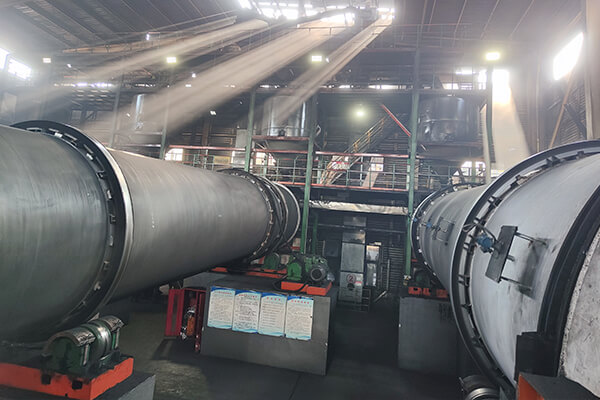
Heycarbons has proudly served the activated carbon for NOx removal industry with high-quality products since 2005, Heycarb can customize activated carbon for your project.
- Heycarbons customized package to promote your brand, and free design service.
- Customized activated carbon size, CTC, iodine value, ash, etc.
- Each batch activated carbon of multiple mixed testing to ensure quality. It also supports any form of third-party testing for customers.
Call Us
+86-180 3788 5195
Our Email
info@heycarbons.com
Steps to Custom Heycarb Activated Carbon NOx Removal
Consultation
By understanding your needs and requirements, our salesmen work with you to submit the appropriate activated carbon solution.
Quotation
Heycarbons expert customer service will provide you with a free quote based on your requirements as well as product specifications and quantities.
Production
Heycarbons has sufficient inventory and strong production capacity, and will report production progress to you from time to time.
Shipping
Heycarb know you need to receive the product as soon as possible, after rigorous quality checks and protective packaging, by fedex shipping.




Are You Looking for Activated Carbon Manufacturers?
Contact us for design assistance, free quote, and expert advice today.
Your inquiry will be replied within 24 working hours, and we respect your privacy.
You will get a quote in 24 hours