Activated Carbon For Lead-Zinc Mine Wastewater Treatment Heycarbons Manufacturer From China
The mining and smelting processes of lead and zinc ore generate large quantities of complex and highly toxic wastewater, containing high concentrations of heavy metal ions (such as Pb²⁺, Zn²⁺, and Cd²⁺), suspended solids, residual beneficiation reagents (such as xanthate and nitroglycerin), and some radioactive substances. If discharged without treatment, this wastewater poses a serious threat to the ecological environment and human health.
Among the many treatment technologies available, activated carbon adsorption has become a crucial advanced treatment method due to its high purification capacity, ease of operation, and reliability.
You will get a quote in 24 hours
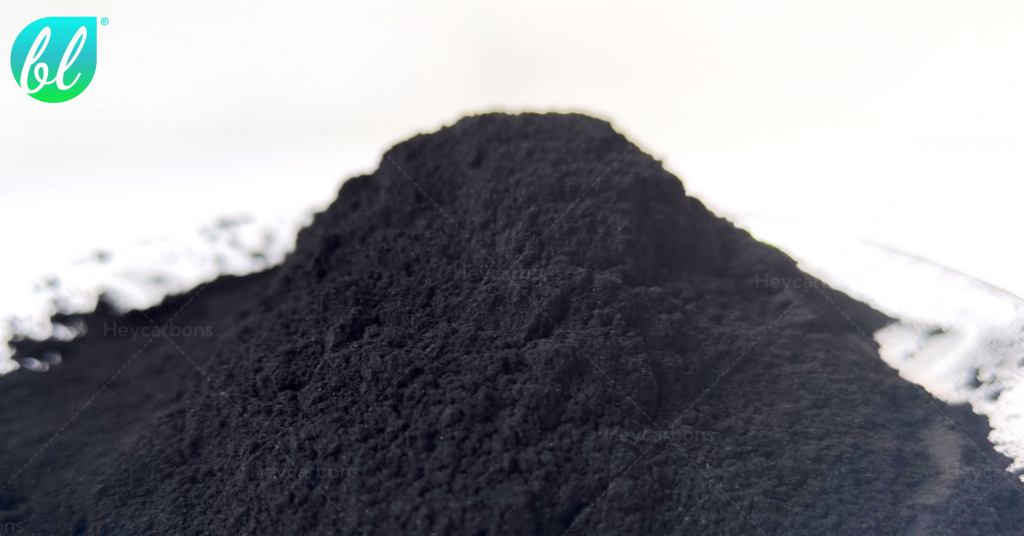
Heycarbons activated carbon for lead-zinc mine wastewater treatment details introduction:
Principle of Activated Carbon for Lead-Zinc Mine Wastewater Adsorption

In lead-zinc mine wastewater treatment, activated carbon primarily relies on its large surface area and highly developed pore structure to remove pollutants from the water through physical adsorption and chemical reactions.
- Physical adsorption: Activated carbon possesses an exceptionally developed pore structure (particularly mesopores and micropores) and a massive surface area (typically as high as 500-1500 m²/g). These pores act like countless microscopic “traps,” firmly adsorbing pollutants such as heavy metal ions and organic molecules in the water via van der Waals forces.
- Chemical adsorption: Activated carbon’s surface contains abundant functional groups (such as carboxyl, phenolic, and carbonyl groups). These functional groups can undergo chemical reactions with heavy metal ions, such as ion exchange and surface complexation, resulting in more stable heavy metal fixation. They are particularly effective at adsorbing certain metal ions.
You will get a quote in 24 hours
You will get a quote in 24 hours
Main Pollutants in Lead-Zinc Mine Wastewater
Pollutants in lead-zinc mine wastewater primarily come from mining, beneficiation (flotation), smelting, and washing. This type of wastewater has a complex composition, including heavy metals, flotation agents, and suspended solids. The main pollutants can be categorized as follows:
1. Heavy Metal Ions
- Lead (Pb²⁺) and zinc (Zn²⁺)—the primary pollutants
- Associated metals: cadmium (Cd²⁺), copper (Cu²⁺), iron (Fe²⁺/Fe³⁺), manganese (Mn²⁺), and arsenic (As³⁺/As⁵⁺)
- These heavy metals are highly toxic, and exceeding permitted levels can cause serious water pollution and ecological risks.
2. Acidic Pollutants
- Sulfide ore oxidation or heap leaching can easily generate sulfate (SO₄²⁻) and low-pH acid mine drainage (AMD).
- Often exhibits high acidity and low alkalinity.
3. Suspended Solids and Solid Particles
- Mud, sand, and fine particles generated during ore washing and slag discharge.
- Increases water turbidity, affecting water quality and downstream sedimentation.
4. Organic Residue (from the flotation process)
- Xanthates, black powder, pine oil, collectors, frothers, inhibitors, etc.
- Some are toxic and difficult to degrade, increasing the difficulty of wastewater treatment.
5. Other Ions
- For example, cyanide (CN⁻) (if cyanide leaching is involved), chloride ions (Cl⁻), and calcium and magnesium ions (Ca²⁺, Mg²⁺).
Summary
The main pollutants in lead-zinc mine wastewater are heavy metal ions (Pb, Zn, Cd, etc.) + acidic pollutants (sulfate, low pH) + suspended solids + flotation reagent residue.
You will get a quote in 24 hours
You will get a quote in 24 hours
Roles of Activated Carbon for Lead-Zinc Ore Wastewater Treatment
1. Adsorption of Heavy Metal Ions
The lead-zinc ore extraction process often produces wastewater containing heavy metal ions such as lead and zinc. It is also accompanied by metals such as cadmium (Cd²⁺), copper (Cu²⁺), iron (Fe²⁺/Fe³⁺), manganese (Mn²⁺), and arsenic (As³⁺/As⁵⁺).
Activated carbon has numerous micropores on its surface that can adsorb these metal ions. Through physical adsorption and chemical reactions, activated carbon removes lead, zinc, and other metals from water, thereby reducing their environmental pollution.
If you want to know more details about activated carbon adsorption of heavy metals in wastewater, please click on the article link below:
https://heycarbons.com/activated-carbon-for-heavy-metal/
2. Removal of Organic Acids
The extraction process of lead and zinc ore also produces organic acids, such as xanthate, black powder, scavengers (such as oleic acid and stearic acid), washing agents (such as oxalic acid and citric acid), and associated heavy metal ions.
Activated carbon has excellent adsorption properties for organic acids.
3. Improve Water Quality
The adsorption of activated carbon effectively removes suspended solids, color, and odor from wastewater, improving water quality and making it suitable for subsequent discharge or treatment.
4. Adjustable Treatment Effect
The activated carbon dosage and reaction time can be adjusted to optimize wastewater treatment effectiveness based on the nature and concentration of pollutants in the wastewater. Activated carbon offers a flexible treatment effect and is environmentally friendly.
5. Easy Operation
Activated carbon is relatively easy to use and can be treated through dosing, filtration, or recycling. It requires minimal equipment and is suitable for wastewater treatment in small and medium-sized mining areas.
6. Recycling
Activated carbon can be regenerated after a period of use by high-temperature calcination, restoring its adsorption capacity and reducing waste generation and costs.
You will get a quote in 24 hours
You will get a quote in 24 hours
How is Activated Carbon Used in Mining?
Activated Carbon for Lead-Zinc Mine Wastewater Treatment Process
The activated carbon treatment process for lead-zinc mine wastewater typically includes several key steps to ensure the effective removal of harmful substances, particularly heavy metal ions (such as lead and zinc) and organic matter. The following is a typical activated carbon treatment process for lead-zinc mine wastewater:

1. Pretreatment Stage
Before using activated carbon, wastewater typically requires some pretreatment to remove large suspended solids and adjust water quality, thereby reducing the burden of subsequent treatment.
- Flocculation and Sedimentation: The addition of flocculants (such as polyaluminum chloride and polyacrylamide) causes suspended solids and colloids in the wastewater to agglomerate into large particles for easier precipitation. Solid particles are then removed in sedimentation tanks or reaction tanks.
- PH Adjustment: The pH of wastewater significantly affects the solubility of heavy metals. Generally, pH adjustment (commonly achieved by adding lime or sodium hydroxide) is used to adjust the pH of the wastewater and aid in the precipitation of metal ions.
2. Activated Carbon Adsorption Stage
- After pretreatment, most heavy metals have been removed, but trace amounts of heavy metals, complexed heavy metals that are difficult to precipitate, and dissolved organic pollutants (flotation reagents) may still remain in the water.
- At this point, the wastewater enters an activated carbon adsorption tower (fixed bed or fluidized bed). Activated carbon efficiently adsorbs these residual organic matter and some complexed heavy metals, ensuring that the effluent COD and heavy metal levels consistently meet strict discharge or reuse standards.
3. Activated Carbon Regeneration
Activated carbon has a limited adsorption capacity. After a period of use, its adsorption sites become occupied by pollutants, resulting in a decrease in its adsorption efficiency. Therefore, regular regeneration of the activated carbon is necessary.
- Physical Regeneration: Activated carbon that has been saturated with adsorption is heated to a high temperature (typically 600-900°C) and calcined to remove adsorbed harmful substances and restore its adsorption performance.
- Chemical Regeneration: Activated carbon that has been saturated with adsorption is treated with a chemical agent (such as an acid, base, or organic solvent) to remove adsorbed pollutants and restore its adsorption capacity.
4. Post-treatment Stage
- After activated carbon adsorption, the water can undergo further treatment, such as filtration, denitrification and dephosphorization, and disinfection, as needed to ensure it meets discharge or reuse standards.
Features and Advantages of Activated Carbon Treatment Processes for Lead-Zinc Ore Wastewater
- Efficient Heavy Metal Removal: Activated carbon has a strong adsorption capacity for heavy metals such as lead and zinc, effectively reducing metal concentrations in wastewater.
- Widely Applicable: It is suitable for a variety of lead and zinc mining wastewaters, especially those with severe heavy metal contamination.
- Environmentally Friendly: Activated carbon adsorption does not produce secondary pollution, making it more environmentally friendly than other treatment methods.
- Simple Operation: The entire process is relatively simple, with minimal equipment requirements, making it suitable for use in small and medium-sized mining areas.
You will get a quote in 24 hours
You will get a quote in 24 hours
Heycarbons Activated Carbon for Lead-Zinc Mine Wastewater Adsorption
A client sought high-quality coal-based powdered activated carbon for its lead-zinc mine wastewater treatment project to effectively remove heavy metal ions and organic pollutants from the wastewater.
After in-depth discussions with the client, Heycarbons’ professional sales team comprehensively considered the client’s treatment process requirements, cost-effectiveness, and environmental standards, ultimately determining the following specific activated carbon specifications:
- Coal-based powdered activated carbon
- 200 mesh
- Iodine value: 700mg/g min.
- Moisture content: 10% max.

You will get a quote in 24 hours
You will get a quote in 24 hours
Custom Heycarbons Activated Carbon Solution for Lead-Zinc Ore Wastewater Treatment
Heycarbons provides a full range of activated solutions at competitive prices.
You will get a quote in 24 hours
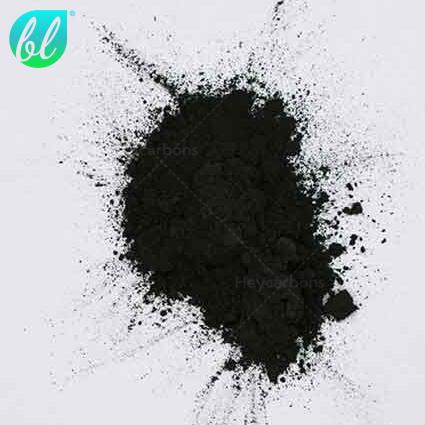
Custom Heycarbons Activated Carbon for Lead-Zinc Mine Wastewater Treatment
Heycarbons has proudly served the activated carbon industry with high-quality products since 2005, we can customize your activated carbon for your project.
- Personalized service and advice based on your needs and preferences. Different raw materials for different applications.
- Customized size, iodine value , methylene blue, pH, ash, etc.
- Heycarbons customized package to promote your brand, and free design service.
Call Us
+86-180 3788 5195
Our Email
info@heycarbons.com
Steps to Custom Heycarbons Activated Carbon for Lead-Zinc Ore Wastewater
Consultation
By understanding your needs and requirements, our salesmen work with you to submit the appropriate activated carbon solution.
Quotation
Heycarbons expert customer service will provide you with a free quote based on your requirements as well as product specifications and quantities.
Production
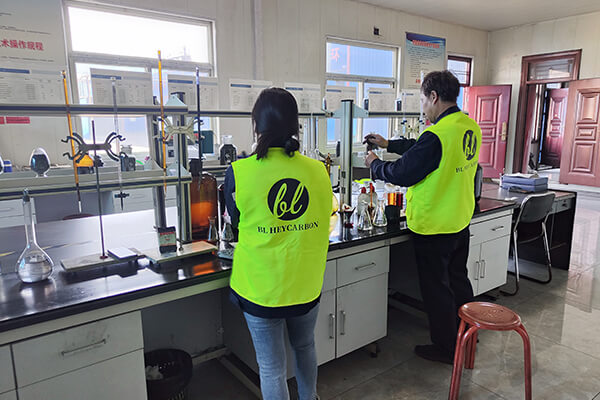
Heycarbons has sufficient inventory and strong production capacity, and will report production progress to you from time to time.
Shipping
Heycarb know you need to receive the product as soon as possible, after rigorous quality checks and protective packaging, by fedex shipping.
Are You Looking for Heycarbons Activated Carbon Manufacturers?
Contact us for design assistance, free quote, and expert advice today.
Your inquiry will be replied within 24 working hours, and Heycarbons respect your privacy.