Activated Carbon for Beer: Heycarbons Supplier From China
Heycarbons specializes in providing professional, advanced activated carbon solutions for your beer production.
You will get a quote in 24 hours
Activated Carbon for Beer
Beer is a fermented alcoholic beverage with a low alcohol content (typically 3-8% vol). It is made from water, malt, hops, and yeast, and undergoes saccharification and fermentation to produce alcohol and CO2. Its flavor primarily derives from the sweet aroma of malt, the bitter aroma of hops, and the complex flavor substances including esters, phenols, and alcohols, produced during yeast fermentation.
As part of activated carbon alcohol applications, beer may produce or retain certain aldehydes, higher alcohols, sulfides, polyphenols, and some pigment substances after fermentation. These components can contribute to the flavor profile of beer when in appropriate amounts.
However, when their concentrations become excessively high or their proportions become imbalanced, they may cause problems such as off-flavors, increased bitterness, abnormal color, or decreased stability. These issues can adversely affect the sensory quality and product consistency of beer.
Therefore, selective purification of beer using activated carbon is necessary to reduce undesirable flavor compounds and color, while preserving the beer’s main flavor structure.
Phosphoric acid-processed wood powdered activated carbon with well-developed mesopores and low ash content is typically the preferred choice for beer treatment.
Heycarbons Activated Carbon Product for Beer
Wood Powdered Activated Carbon Produced by H3PO4 Phosphoric Acid Process
Activated carbon used for beer purification should be able to decolorize and remove off-odors while preserving the beer’s original flavor and aroma profile as much as possible.
Phosphoric acid-based wood powder activated carbon is mainly mesoporous, and its pore size distribution is more conducive to adsorbing macromolecular impurities such as pigments, aldehydes, and sulfides, while its adsorption of small molecular flavor substances is relatively limited. At the same time, phosphoric acid-processed wood powder activated carbon features low ash content and high purity. Its contact time with the wine is short, and the dosage is controllable. While effectively removing off-odors and decolorizing, it also improves colloidal stability and corrects flavor.
Heycarbons can provide wood powdered activated carbon by chemical methods for your beer refining projects. The technical specifications are as follows for your reference:

| Project | Specification |
|---|---|
| Mesh | 200, 325 |
| Iodine value | 800–1100 mg/g |
| Molasses value | 180-300 |
| Ash | <6%, <7%, <8% |
| pH | 2-4, 3-5, 5-7 |
| Methylene blue | >210, >225, >240, >255, >270 mg/g |
| Moisture | <8, <9, <10 |
Why doesn’t beer use coconut shell activated charcoal, just like distilled spirits?
Why isn’t coconut shell activated carbon with highly developed microporous structure used in beer brewing?
The molecular size of esters and sulfides in beer aromas is precisely suited to be absorbed by microporous structures. If coconut shell activated carbon were used, while off-flavors would be removed, the hop aroma and malt character would also be lost. Breweries do not want this to happen.
Heycarbons Activated Carbon for Beer Customer Case
For beer brewing, phosphoric acid-processed wood-based powdered activated carbon is not the only option. One customer wanted to use granular activated carbon for beer decolorization and filtration.
Heycarbons’ technical staff suggested that granular activated carbon made from coal/nutshell can also be used for beer decolorization and purification. The specific product specifications are as follows:
- Coal/Nutshell Granular Activated Carbon
- Iodine Value: 950mg/g min.
- Size: 8*30 mesh
- Ash (nutshell): < 5%
- Ash (coal): < 3-5% (Ordinary coal GAC < 8-10%)
If you have any other specific needs for activated carbon in beer processing, please let us know. We will provide you with professional activated carbon solutions and high-efficiency activated carbon products.
Heycarbons can provide customized activated carbon solutions based on your operating conditions and target specifications, not just standard products. Please contact the Heycarbons technical support team.
You will get a quote in 24 hours
You will get a quote in 24 hours
How to Use Activated Carbon to Filter Alcohol Beer?
When activated carbon is used in beer production, the optimal addition point is generally after fermentation. Activated carbon is used to refine mature beer. The process flow is as follows:

Using a metering pump, precisely add powdered activated carbon to the beer. After contact adsorption, promptly filter out the PAC powder activated carbon and adsorbed impurities to restore the beer’s clarity.
During this process, precise control of activated carbon dosage and contact time is essential. Taking Lager as an example, the dosage of PAC is generally 5-30 mg/L. The minimum effective dose needs to be determined through small-scale trials. This is to achieve the target purification effect while minimizing the impact on aroma and taste.
Similarly, longer contact time is not necessarily better. In the initial stage, activated carbon mainly adsorbs off-odors and unstable substances. If the contact time is too long, it will be easier for it to continue to adsorb flavor compounds such as esters and hop aromas, resulting in a thinner flavor or “flavor washout”.
The contact time should be determined through time gradient small-scale tests. After determining the minimum effective dose, set contact times of 5, 10, 15, 20, and 30 minutes at 0–4 °C. Immediately filter to terminate adsorption upon reaching the set time. By combining turbidity, color, polyphenol/protein indexes, and sensory evaluation, the shortest contact time with stable purification effect and acceptable flavor loss is selected as the optimal contact time. For most Lager operating conditions, the optimal contact time is typically 10–20 minutes.
Can you reuse activated carbon for alcohol beer?
Powdered activated carbon (PAC) produced by the phosphoric acid process used for beer treatment is generally not recommended for reuse.
In the brewing process, PAC typically comes into direct contact with beer to adsorb impurities. It is subsequently removed by filtration or centrifugation, becoming waste residue that is difficult to recover and reuse.
Although activated carbon can theoretically be regenerated, for powdered activated carbon, the regeneration cost is high, the efficiency is low, and there are food safety risks. Overall, its economic feasibility is far less than that of directly using new activated carbon.
Therefore, Heycarbons recommends that the beer industry adopt single-use powdered activated carbon to ensure stable adsorption performance and product quality.
You will get a quote in 24 hours
You will get a quote in 24 hours
Heycarbons Activated Carbon For Other Alcoholic Beverages

Steps to Custom Heycarbons Activated Carbon for Beer
Consultation
By understanding your needs and requirements, our salesmen work with you to submit the appropriate activated carbon solution.
Quotation
Heycarbons expert customer service will provide you with a free quote based on your requirements as well as product specifications and quantities.
Production
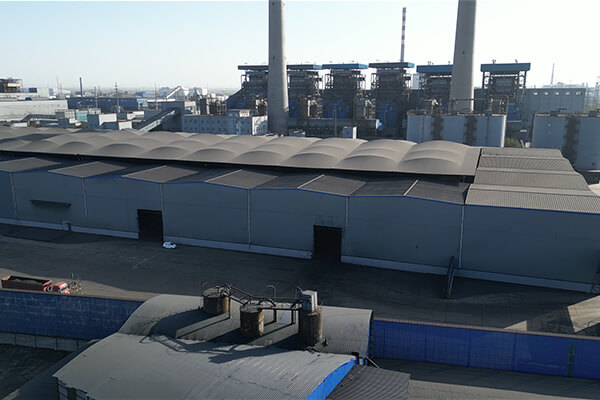
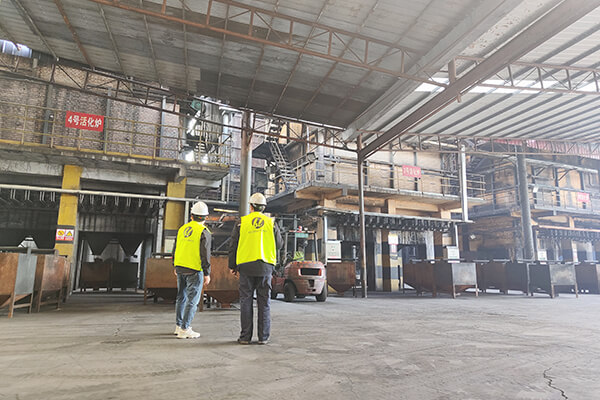
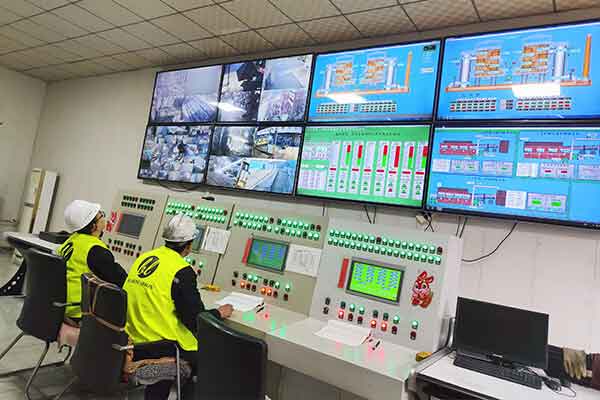
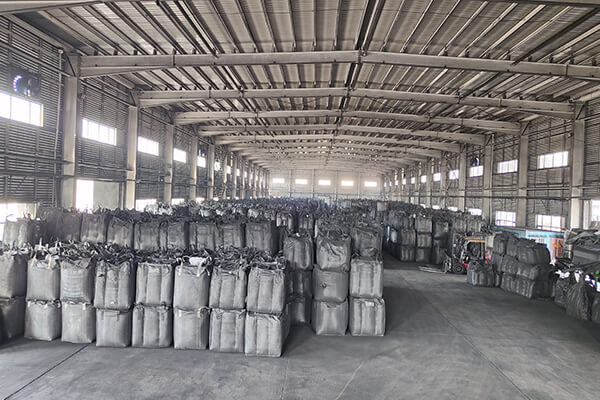
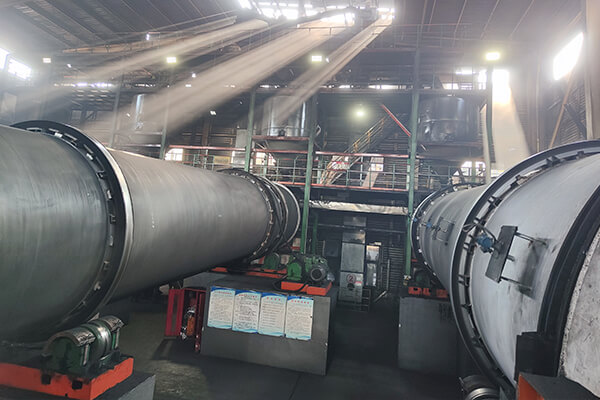
Heycarbons has sufficient inventory and strong production capacity, and will report production progress to you from time to time.
Shipping
Heycarbons know you need to receive the product as soon as possible, after rigorous quality checks and protective packaging, by fedex shipping.
Custom Heycarbons Premium Activated Carbon for Beers
Heycarbons has been committed to providing high-quality activated carbon to breweries since 2005. Heycarbons can customize activated carbon solutions for your beer project.
- Heycarbons customized package to promote your brand, and free design service.
- Customized iodine value, ash, methylene blue, molasses value, moisture, pH, etc.
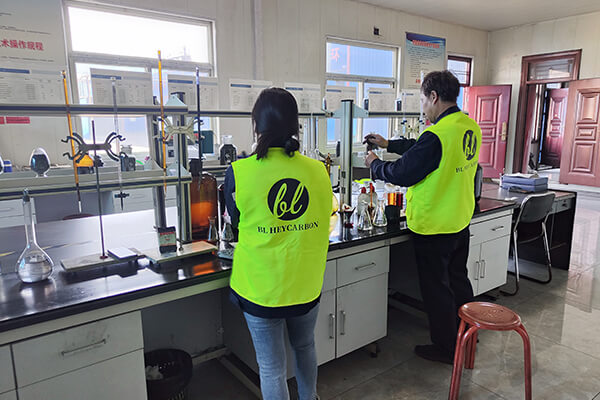
- Each batch of activated carbon undergoes multiple mixing tests to ensure quality. It also supports any form of third-party testing for customers.
Call Us
+86-180 3788 5195
Our Email
info@heycarbons.com


Are You Looking for Heycarbons Activated Carbon Suppliers for Beers?
Contact us for design assistance, free quote, and expert advice today.
Your inquiry will be replied within 24 working hours, and Heycarbons respect your privacy.
You will get a quote in 24 hours